5 Reasons Plantar Fasciitis Hurts More in the Morning

Waking up with a sharp stabbing pain in your heel can make the simple act of getting out of bed feel daunting. If you are experiencing this intense discomfort with your first steps of the day, you are not alone. First-step heel pain is a hallmark sign of a common condition affecting the tissue on the bottom of the foot, but it is important to remember that online health information cannot replace a professional medical evaluation or diagnose your specific condition. However, understanding the mechanics of your foot can help you make informed decisions about your daily routine. We will explore the biomechanical reasons behind morning heel pain, how your body responds to rest, and what evidence-informed steps you can take to ease that initial discomfort.
What plantar fasciitis feels like
Patients often describe the sensation as a sharp, stabbing pain in the bottom of the heel that is most noticeable immediately after waking up or following a prolonged period of sitting. When you take those very first steps in the morning, the pain can be particularly intense. As you continue to move and walk around, the discomfort may gradually decrease, only to return after another period of inactivity. This specific pattern of pain is deeply tied to how the tissues in your foot behave when they are not bearing your body weight. Because plantar fasciitis is usually a clinical diagnosis, noting these specific pain patterns is a helpful part of any future assessment by a healthcare professional. Recognizing that the pain is worst when transitioning from rest to activity is often one of the most vital pieces of information you can provide during a clinical evaluation.
Why the heel hurts
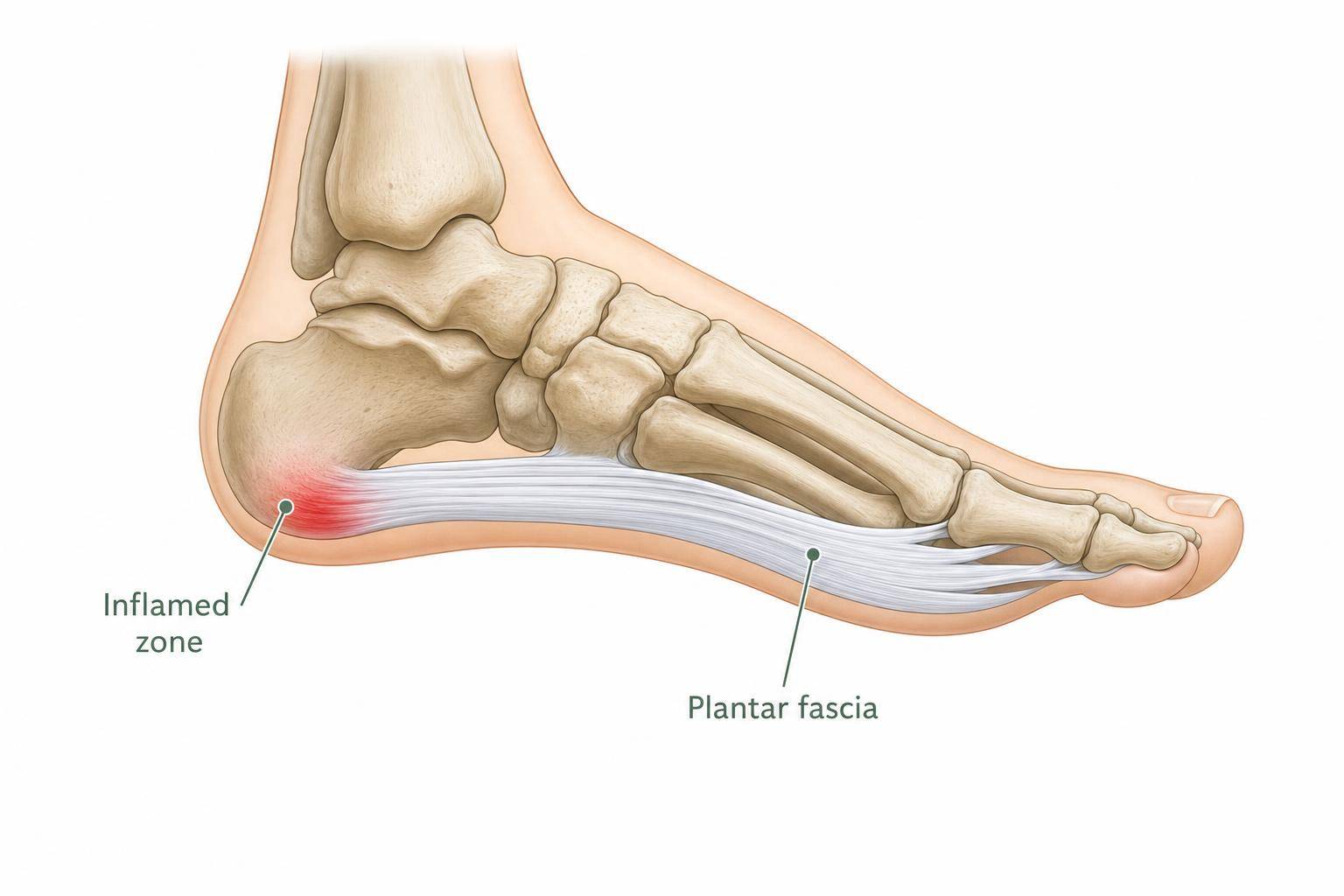
The pain you feel is the direct result of stressing injured tissue. Because the condition involves microscopic injury, any sudden or forceful stretch can trigger a pain response. This is why the transition from a resting state to a weight-bearing state is the most vulnerable moment for your heel. When you stand up, your entire body weight forces the arch of your foot to flatten slightly, which instantly pulls on the plantar fascia. If the tissue is already compromised by tiny tears, this sudden pull sharply re-stresses the injured area, resulting in the characteristic stabbing sensation. Comprehensive plantar fasciitis treatment focuses on addressing both the physical stiffness and the underlying tissue strain that makes weight-bearing so painful. By understanding the mechanical forces at play, you can begin to see why resting alone does not always solve the problem, and why the sudden introduction of weight is the primary trigger for your discomfort.
1. The plantar fascia tightens overnight
During sleep, the plantar fascia is not being loaded with your body weight. Without the continuous demand of standing or walking, the tissue naturally stiffens as the hours pass. This overnight tightening is a normal physiological response to inactivity, but for someone with microscopic injuries in their foot, this increased tightness means the tissue is less prepared to handle a sudden load when the morning arrives. The longer the tissue remains unloaded, the tighter it becomes, setting the stage for a painful morning transition.
2. The tissue rests in a shortened position
Beyond simply tightening, the physical position of your foot during sleep plays a significant role. When you are lying in bed, your feet typically relax in a slightly pointed downward position. In this resting posture, the plantar fascia remains in a shortened, stiff position for several hours. Because it has been resting in this compressed state all night, the transition to a flat-footed standing position requires the tissue to elongate rapidly, which it is physically not ready to do without causing discomfort.
3. Sudden stretching pulls on microscopic injuries
As we noted earlier, the condition involves repeated stretching and tiny tears within the fascia. When you take your first step, the sudden stretch applied to the tissue directly pulls on these microscopic injuries. The sharp pain is your body signaling that sensitive, damaged areas are being abruptly pulled open before they have had a chance to warm up or regain their flexibility. This mechanical pulling on injured fibers is what generates the sharp, localized pain in the heel.
4. The first step sharply re-stresses the fascia
The absolute contrast between zero body weight during sleep and full body weight upon standing is a massive mechanical shift. This first step sharply re-stresses the injured fascia. It is not a gradual introduction to weight-bearing, but rather an immediate and forceful demand on the foot. This abrupt re-stressing on tissue that is already sensitive is what triggers the classic stabbing pain experienced with the first morning steps, as the tissue struggles to accommodate the sudden load.
5. Inactivity leaves the tissue less flexible
Finally, stiffness after any period of inactivity makes the pain most noticeable upon standing. Whether you have been sleeping for eight hours or sitting at a desk for two hours, the tissue becomes less flexible when it is unused. This general loss of flexibility means that any transition from rest to weight-bearing will be painful, as the rigid tissue struggles to accommodate the normal mechanics of walking. The lack of movement allows the tissue to temporarily lose its elasticity, making the next steps highly uncomfortable.
Exercises and stretches
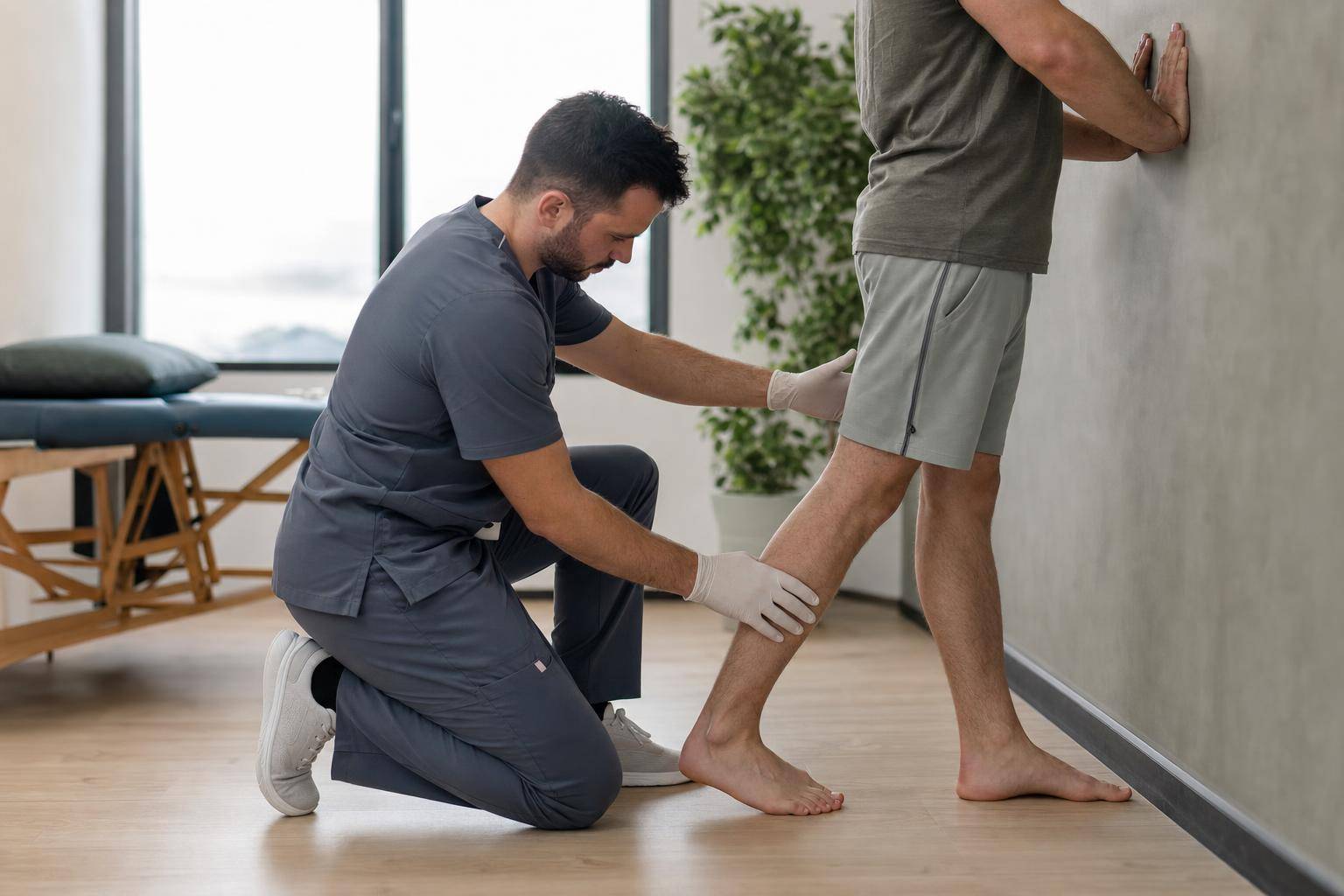
Because the overnight tightening and shortened position of the foot are the primary drivers of morning pain, addressing this stiffness before you stand can be highly beneficial. Clinical guidance suggests that gently stretching the calf and the plantar fascia before you even get out of bed can help reduce the sharp first-step stretch. By manually elongating the tissue while still seated or lying down, you gradually introduce flexibility back into the foot, making the transition to weight-bearing less abrupt and reducing the sharp pain associated with those initial steps. The goal is to safely transition the tissue out of its shortened, stiff state before applying the massive load of your full body weight.
Understanding why the condition develops over time

To understand the morning pain fully, it is helpful to look at how the condition develops in the first place. The plantar fascia is a thick band of tissue running along the bottom of your foot. When it is subjected to repetitive strain, overuse, or the impact of prolonged standing on hard surfaces, the tissue can undergo significant stress. Over time, these aggravating factors can cause the tiny, microscopic tears we discussed earlier. This repeated stretching and injury create a highly sensitive environment in the foot. Dr. Mina Gamil, Medical Director at Physio Cure Dubai, often emphasizes in sports injury rehabilitation and orthopedic care that understanding your daily load is a critical part of managing tissue strain. If you constantly engage in hard-surface activity without adequate recovery, the tissue remains vulnerable to the sharp stretching forces you experience every morning. The cycle of repeated strain during the day followed by tightening at night is what makes this condition particularly frustrating to navigate.
Treatment and recovery expectations
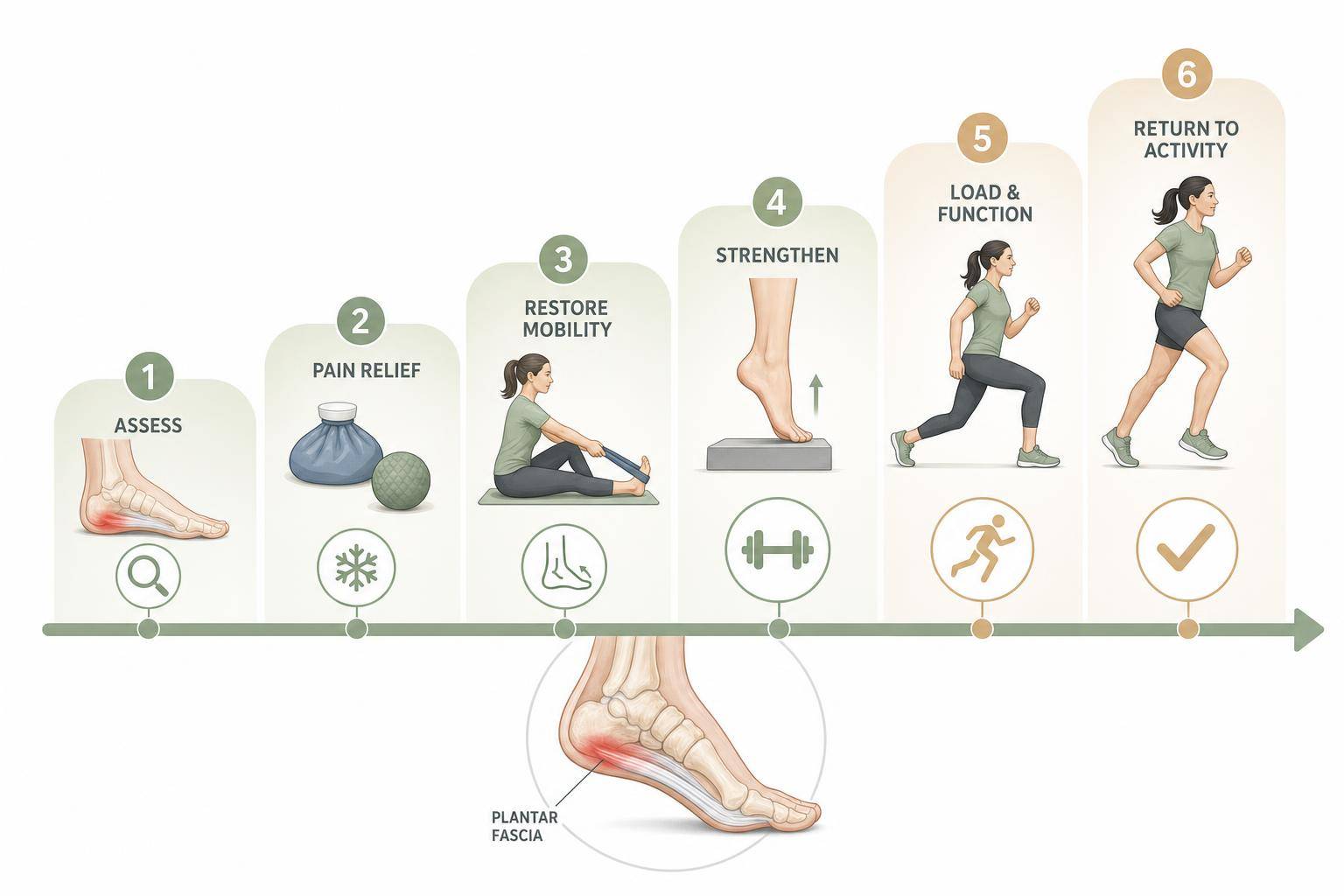
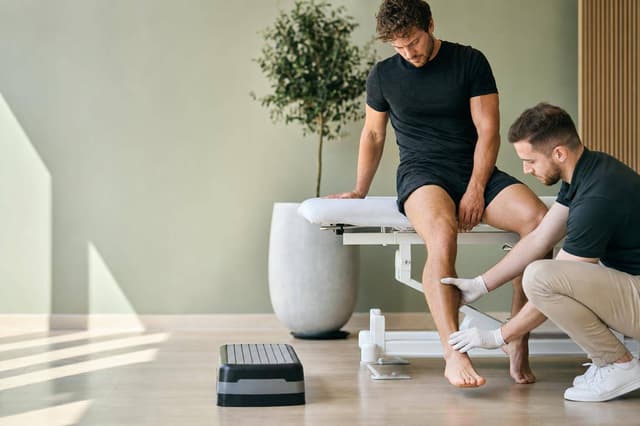
Managing the pain involves reducing the daily repetitive stress that contributes to the micro-tears. Because poor support and biomechanical stress are recognized contributors, wearing supportive footwear or using arch support can help reduce the ongoing strain on your fascia. Modifying your activities to avoid prolonged standing or repetitive impact on hard surfaces gives the injured tissue a better environment to rest and recover. During a clinical assessment, a physiotherapist will look at how your foot moves and handles weight. Assessment-led care may involve strategies to improve your foot mechanics, and interventions like manual therapy or shockwave therapy may be considered as part of a comprehensive, individualized plan to address tissue stiffness and pain. Remember that recovery relies on consistently managing the daily loads placed on your foot, rather than looking for immediate fixes.
Taking the time to understand why your heel hurts more in the morning empowers you to make practical changes to your routine. By recognizing the effects of overnight tightening and utilizing supportive footwear to manage repetitive strain, you can take meaningful steps toward supporting your foot health and moving more comfortably throughout your day.
Related care at Physio Cure Dubai
Doctor-led services for what you have just read about.
Frequently Asked Questions
Why does plantar fasciitis hurt more in the morning?
During the night, the plantar fascia is not loaded by your body weight and can become stiff and shortened. When you take your first steps, the tissue is suddenly stretched under load, which can pull on sensitive microscopic injuries and cause sharp heel pain.
What does plantar fasciitis pain usually feel like?
Many people describe it as a sharp or stabbing pain at the bottom of the heel. It is often strongest with the first steps after waking or after sitting for a long time, then may ease as the foot warms up.
Can sitting for a long time make heel pain worse too?
Yes. Any period of inactivity can leave the plantar fascia less flexible, so pain may return when you stand after sitting. This is similar to the morning pattern, just usually after a shorter rest period.
What can I do before getting out of bed to reduce first-step heel pain?
Try gently stretching your calf and the bottom of your foot before you stand. This helps the tissue move out of its shortened resting position more gradually, so the first load through the heel is less abrupt.
What causes plantar fasciitis to develop over time?
Plantar fasciitis often develops when the tissue on the bottom of the foot is exposed to repeated strain. Prolonged standing, hard surfaces, repetitive impact, poor support, or changes in activity can contribute to microscopic irritation in the fascia.
When should I see a physiotherapist for morning heel pain?
You should consider an assessment if heel pain persists, affects your walking, or keeps returning despite rest and supportive footwear. A physiotherapist can assess foot mechanics, activity load, calf flexibility, and contributing movement patterns.
What treatment options may help with plantar fasciitis symptoms?
Care usually focuses on reducing repetitive strain, improving foot and calf mobility, and supporting better load management. Depending on the assessment, options may include guided stretches, footwear advice, arch support, manual therapy, or shockwave therapy as part of an individualized plan.
How can I help prevent morning heel pain from returning?
Supportive footwear, gradual activity changes, calf and foot mobility work, and avoiding sudden increases in hard-surface standing or impact can help reduce repeated stress on the fascia. Consistency matters because the condition is often linked to daily load rather than one single incident.
Related Articles

Staying Active Through Dubai's Summer Heat: A Physiotherapist's Guide
Staying active in Dubai summer can be safe with smart timing, hydration, indoor options, and physiotherapist tips for heat-aware daily exercise routines.
8 min read
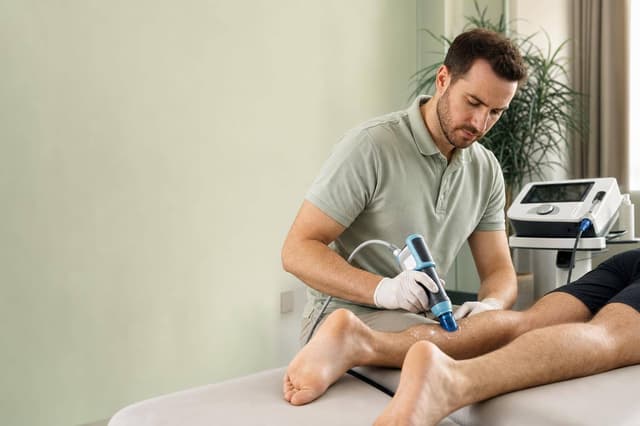
Shockwave Therapy: What Happens Before, During and After?
Learn what happens during a shockwave therapy session, from assessment and gel application to tapping sensations, aftercare, and when to seek advice.
5 min read
Achilles Tendinitis Recovery: Key Milestones for Runners
Learn achilles tendinitis recovery milestones for runners, from walking pain limits to heel raises, walk-run progressions, and safe training load changes.
8 min read