Staying Active Through Dubai's Summer Heat: A Physiotherapist's Guide
Please note that the information provided in this article is for educational purposes only and cannot replace a professional medical assessment. Online content cannot diagnose your condition, prescribe an individual treatment plan, or advise on medication changes. If you are experiencing severe pain, sudden weakness, or concerning symptoms, please consult a healthcare professional directly.
As the temperatures rise and the air grows heavier, maintaining a consistent fitness routine requires a shift in strategy. Many residents often wonder when does summer start in dubai to prepare their training schedules. While the transition begins in May, the true summer start in uae brings a profound change in weather that peaks throughout the core summer in dubai months from June to September. Navigating the summer season in dubai does not mean you have to abandon your physical activity or stay indoors entirely. With a few practical, evidence-led adjustments, staying active in dubai summer is entirely possible, safe, and beneficial for your long-term health.
Understanding Heat Stress and Your Body
When you exercise, your muscles generate heat. Your body naturally cools itself by increasing blood flow to the skin and releasing sweat, which evaporates and lowers your core temperature. During a typical summer in dubai, high environmental temperatures and elevated humidity levels make this natural cooling process much more difficult. Sweat does not evaporate as efficiently in humid air, meaning your cardiovascular system has to work significantly harder to pump blood to the skin while still supplying oxygen to your working muscles.
This increased physiological demand explains why a workout that feels effortless in January can feel exhausting in July. If the body struggles to dissipate heat faster than it produces it, heat stress can occur. This is not a failure of your fitness level; it is a normal physiological response to extreme environmental conditions. Recognizing why this happens is the first step in adapting your routine safely, ensuring you can enjoy various summer activities in uae without overwhelming your system.
Smart Indoor Movement
When the outdoor temperature is extreme, shifting your harder workouts indoors is a practical and effective strategy. Taking advantage of climate-controlled environments allows you to maintain your cardiovascular and strength conditioning without placing unnecessary strain on your body's cooling mechanisms.
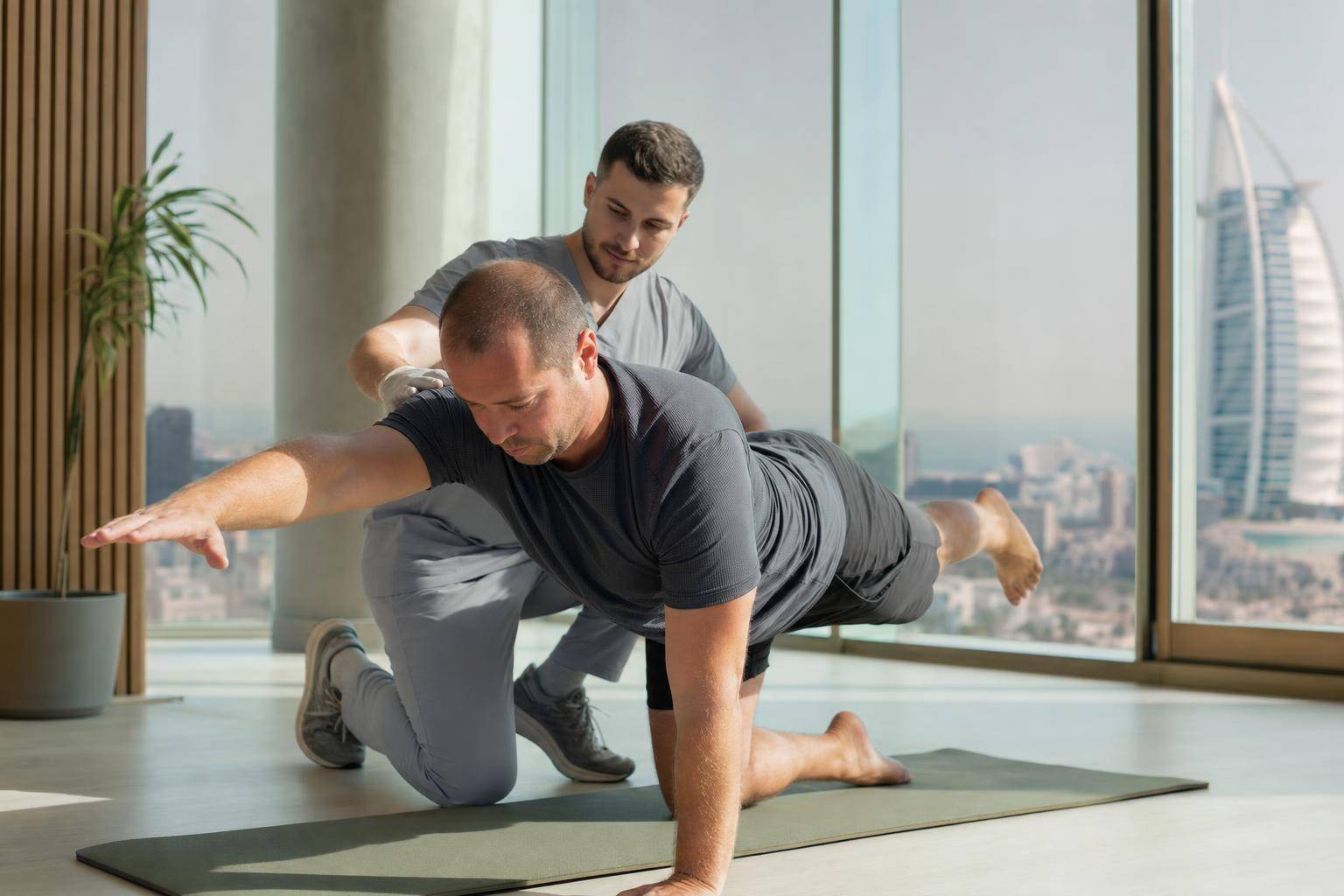
If you prefer outdoor exercise, consider dedicating your outdoor time to lighter activities, such as mobility work, gentle stretching, or short walks in heavily shaded areas. Move your high-intensity intervals, heavy weightlifting, or long endurance sessions to an indoor gym, a home workout space, or an indoor track. This approach protects your consistency while minimizing environmental risk. Exploring indoor summer activities in dubai, such as indoor cycling or swimming, can also introduce refreshing variety into a routine that might otherwise feel repetitive.
Hydration and Your Muscles
Proper hydration is a fundamental pillar of exercising safely in hot weather, but it involves more than just drinking a glass of water when your mouth feels dry. By the time you consciously feel thirsty, you may already be slightly dehydrated. A proactive hydration strategy is essential for keeping your muscles functioning optimally and preventing early fatigue.
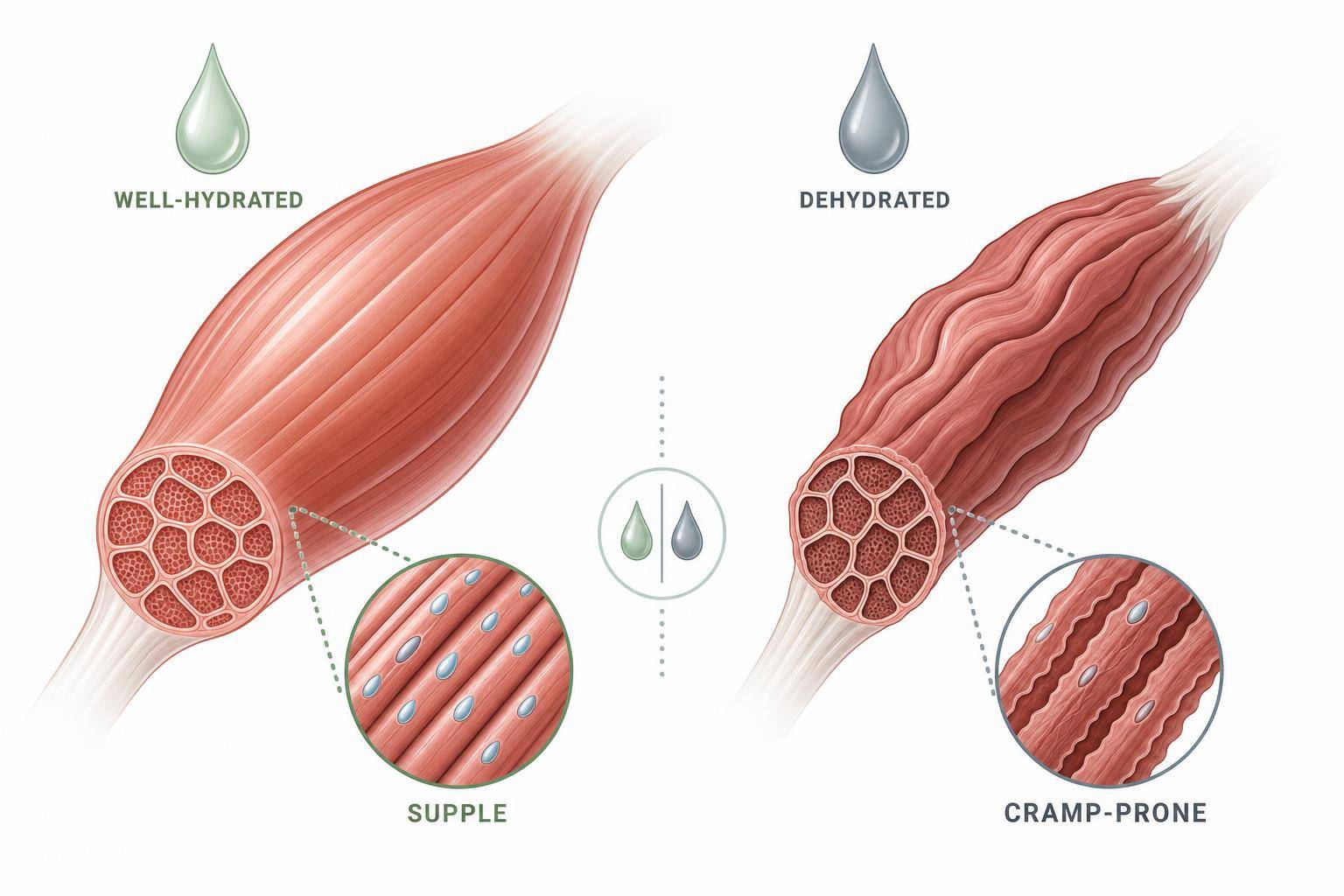
Current research emphasizes the importance of drinking fluids regularly before, during, and after your physical activity. When you sweat heavily in the heat, you lose not only water but also essential minerals like sodium, potassium, and magnesium, which help regulate muscle contractions. For longer sessions or workouts where you sweat profusely, incorporating electrolytes into your hydration plan can help replace these lost minerals. Proper fluid balance supports joint lubrication, nutrient transport, and your body's ability to regulate its temperature effectively.
A Physiotherapist's Approach to Load Management
From a physiotherapy perspective, a golden rule for navigating the hot months is to protect your consistency rather than forcing high intensity. It is usually much better for your long-term physical health to complete a shorter, easier session that you can properly recover from, rather than pushing through a grueling workout that leaves you exhausted or risks heat illness.
Dr. Nada Mohammad, a Senior Physiotherapist at our clinic who holds a master's degree from Gulf Medical University and has extensive expertise in musculoskeletal rehabilitation, often highlights the value of adaptable pacing. Modifying your activity level based on environmental factors is a smart, sustainable way to train.
Acclimatization is a gradual process. If you have taken a break from outdoor exercise or have just returned from a cooler climate, you should not expect to resume your full training load immediately. The body typically requires 7 to 14 days of gradual exposure to hot conditions to adapt. During this period, your body learns to sweat earlier and more efficiently, and your heart rate will gradually stabilize for a given workload. Rushing this process is counterproductive and increases the likelihood of excessive fatigue.
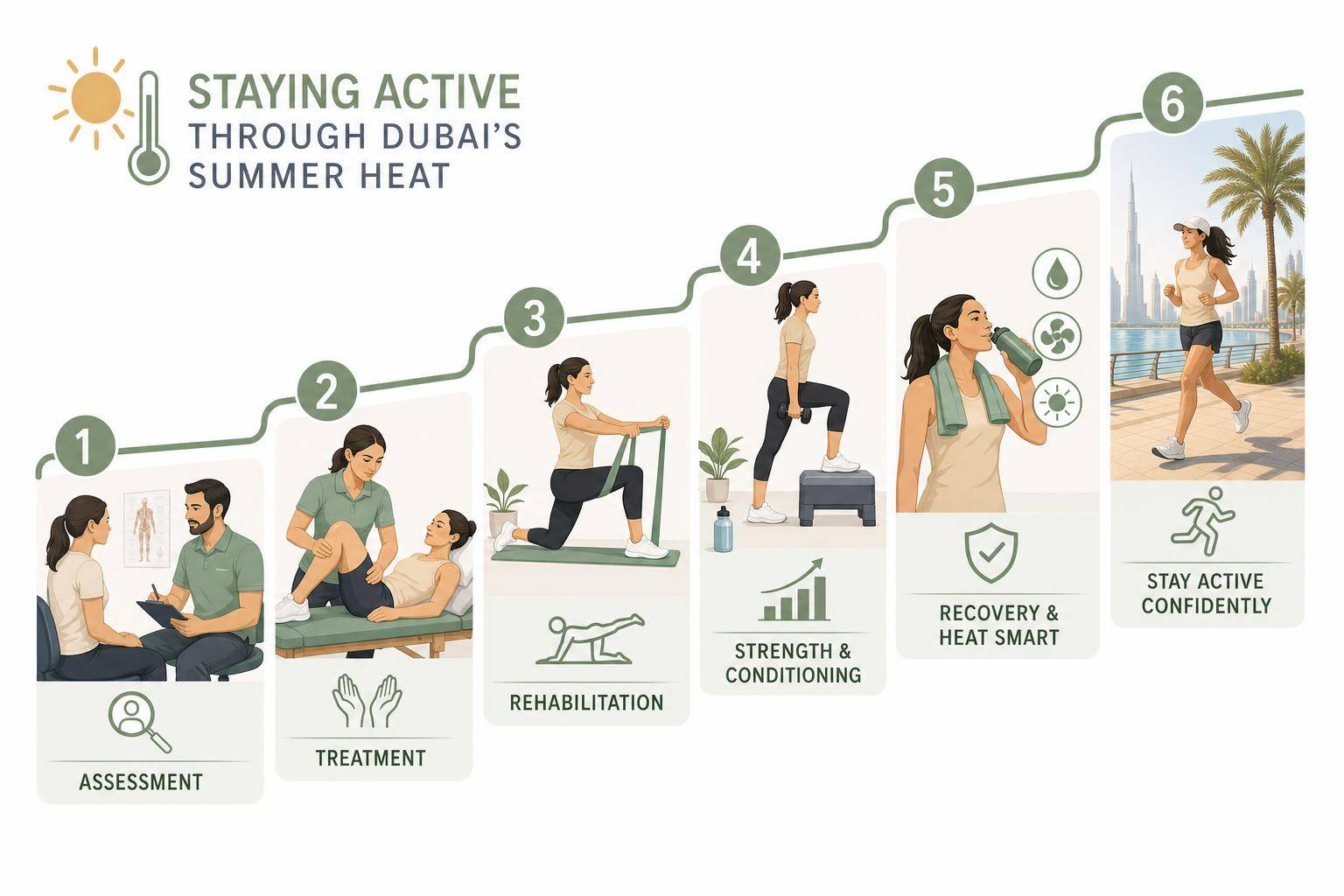
Additionally, how you dress plays a role in your body's ability to manage heat. Opt for lightweight, light-colored, and moisture-wicking clothing that allows sweat to evaporate easily. Avoid heavy cotton materials that trap moisture against the skin. Whenever you are outdoors during daylight hours, ensure you use adequate sun protection.
When to Slow Down
Listening to your body is critical. While some discomfort is normal during exercise, heat-related warning signs should never be ignored. Recognizing the difference between a tough workout and a physiological struggle is a key component of safe summer fitness.
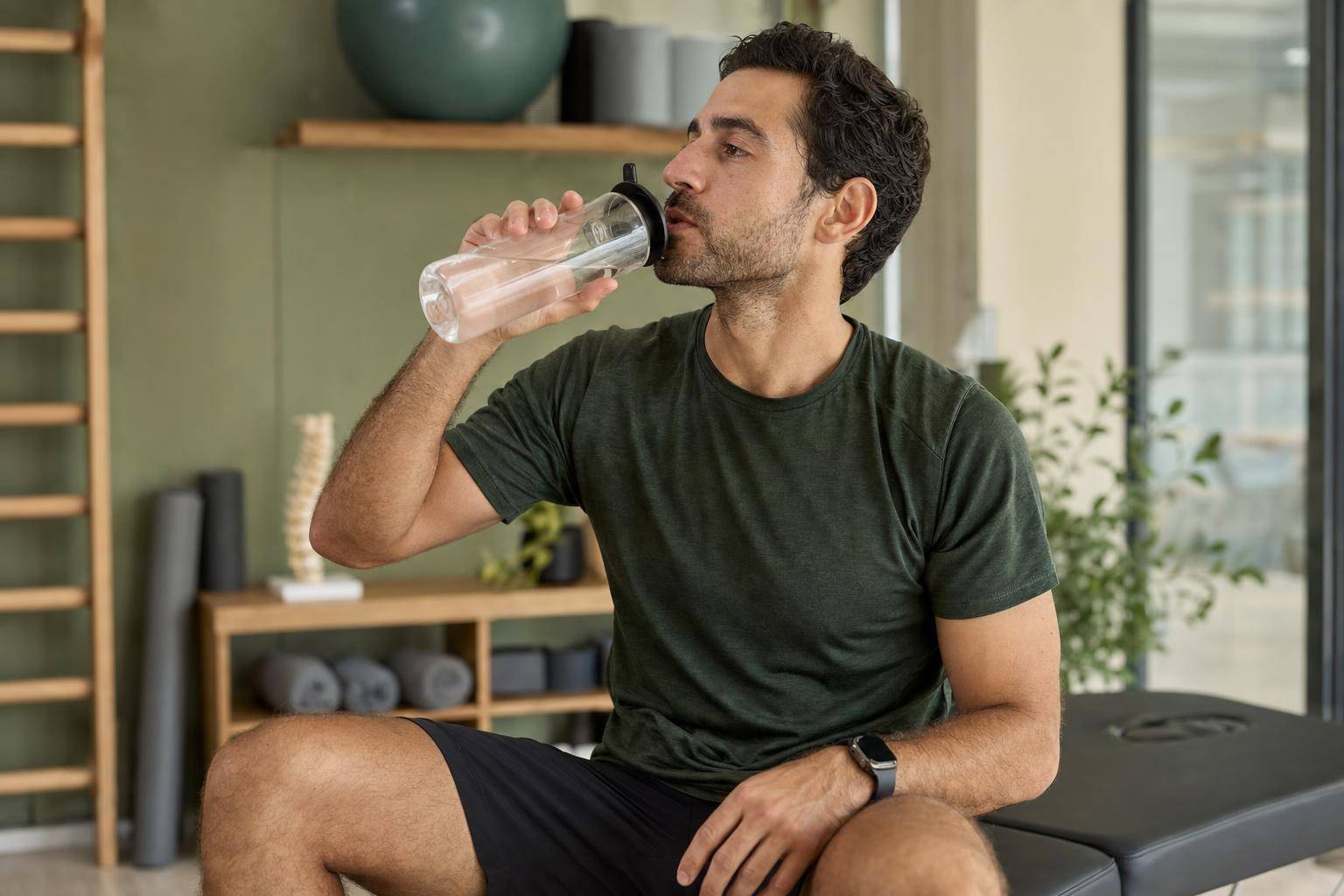
You should stop exercising immediately, move to a cool environment, and rehydrate if you experience symptoms such as feeling dizzy, nauseated, disoriented, or unusually weak. These are signs that your body is having trouble keeping its core temperature within a safe range. Employing pacing strategies, such as consciously slowing your normal running or walking speed and taking more frequent rest breaks, can help keep your core temperature manageable. If necessary, consider splitting your daily training into two shorter bouts, perhaps fifteen minutes in the morning and fifteen minutes in the evening, rather than one long continuous session.
Active Strategies for Your Dubai Staycation
Many residents opt for a summer vacation in dubai instead of traveling abroad, seeking rest and relaxation closer to home. If you are planning a staycation in uae, this downtime is an excellent opportunity to focus on your physical well-being. A change of scenery, even locally, can reinvigorate your motivation to move.
When booking a staycation in dubai, take a moment to explore the fitness amenities available. Many hotels offer exceptional indoor facilities, shaded pools, and specialized classes. Whether you are browsing for the best staycations dubai has to offer or looking for a specific staycation deal uae venues provide for residents, prioritizing a location with good movement options is highly beneficial. A well-rounded dubai staycation allows you to balance luxurious rest with daily, joint-nourishing activity.
For families or active individuals, finding a staycation in uae with activities included can seamlessly blend fitness with leisure. Engaging in light indoor sports, guided stretching sessions, or early morning walks on the property can make your staycation more fulfilling. Exploring different staycations in dubai provides a chance to step away from your home desk or daily commute while keeping your body active. Enjoy your time to stay dubai style, embracing the comfort of indoor amenities while setting aside time for mindful exercise. A thoughtfully planned summer staycation helps you return to your regular routine feeling refreshed rather than deconditioned.
Timing Your Outdoor Exposure
If you prefer to train outside, adjusting your schedule is the most effective modification you can make. The timing of your workout dictates the environmental stress your body will face. The safest strategy is to train during the coolest parts of the day. This typically means exercising before 8 a.m. or waiting until well after sunset. Avoiding the hottest midday hours, generally from late morning through the late afternoon, is essential for reducing the risk of heat-related complications.
Even during the early morning or late evening, the humidity can remain high. Applying the principles of reduced intensity and proactive hydration remains just as important during these hours. Remember that consistency built through gentle, modified outdoor movement is far better than the physical setbacks that can occur from overexertion in the midday sun.
Special Considerations: Aging and Chronic Discomfort
Environmental factors affect individuals differently. Older adults, for instance, often experience natural changes in their body's ability to sense thirst and regulate temperature efficiently. Engaging in geriatric physiotherapy emphasizes maintaining strength and balance, but during the summer, this must be balanced with careful temperature management. Older adults should prioritize indoor movement, strict hydration routines, and completely avoiding outdoor exertion during peak heat.
Similarly, for individuals managing ongoing joint stiffness or persistent aches, the summer presents a unique challenge. While warm weather can sometimes help stiff joints feel more mobile, the temptation to avoid physical activity entirely due to the heat can lead to increased stiffness and muscle weakness. A structured approach to chronic pain management often involves finding gentle, consistent ways to move, regardless of the season. Utilizing indoor walking, aquatic therapy, or guided mobility exercises in a cool room ensures that joints remain lubricated and muscles stay active without the stress of outdoor heat.
Building a Sustainable Summer Routine
Adapting your fitness routine for the summer requires patience and flexibility. The goal is to view the hotter months not as a barrier to fitness, but as an opportunity to focus on different aspects of your physical health. By reducing your overall load, shifting focus to indoor movement, hydrating intelligently, and listening carefully to your body's signals, you can maintain a strong foundation of fitness.
Remember that physical health is built over months and years, not in a single rigorous workout. Giving yourself permission to slow down during extreme weather is a sign of practical, long-term thinking. Whether you are continuing your daily gym routine, embarking on a local staycation, or recovering from a previous physical setback, smart movement is always within reach.
If you are unsure how to modify your exercises, or if you need guidance on returning to activity safely, our team is here to help you build a routine that fits your goals and respects the environment. We invite you to book a complimentary initial consultation to discuss your specific movement needs. You can also Call our clinic directly or reach out via WhatsApp to arrange an appointment. Rescheduling terms apply.
Related care at Physio Cure Dubai
Doctor-led services for what you have just read about.
Frequently Asked Questions
When does summer heat usually start affecting workouts in Dubai?
Dubai often begins to feel noticeably hotter in May, with the most challenging summer conditions typically from June to September. During these months, higher heat and humidity can make the same workout feel harder than it does in cooler weather.
What is the best time of day to exercise outdoors during Dubai summer?
The safest outdoor exercise windows are usually before 8 a.m. or well after sunset. Even then, humidity can remain high, so it is wise to reduce intensity, take breaks, and keep hydration close by.
How should I hydrate before and during exercise in hot weather?
Drink fluids regularly before, during, and after activity rather than waiting until you feel thirsty. If you are exercising for longer or sweating heavily, electrolytes may help replace minerals such as sodium, potassium, and magnesium.
Which indoor activities can help me stay fit during Dubai summer?
Indoor cycling, swimming, strength training, mobility work, and walking in climate-controlled spaces are useful options. Moving harder sessions indoors can help you maintain consistency while reducing heat stress on the body.
What warning signs mean I should stop exercising in the heat?
Stop exercising, move to a cool place, and rehydrate if you feel dizzy, nauseated, disoriented, unusually weak, or unwell. These symptoms may suggest your body is struggling to regulate its temperature and should not be ignored.
How long does it take to adjust to exercising in Dubai summer heat?
Heat acclimatization usually takes about 7 to 14 days of gradual exposure. During this time, it is better to shorten sessions, lower intensity, and allow your heart rate and sweating response to adapt.
How can a physiotherapist help me adapt my summer exercise routine?
A physiotherapist can review your current fitness level, injury history, movement patterns, and goals. They can help you adjust training load, choose suitable indoor alternatives, and build a plan that supports activity without unnecessary strain.
What should older adults or people with chronic pain consider before summer exercise?
Older adults and people with persistent pain may benefit from prioritizing indoor movement, structured hydration, and gentle strength or mobility exercises. For joint stiffness or ongoing aches, consistent low-load activity in a cool environment can help maintain movement without added heat stress.
Related Articles

Stroke Rehabilitation: What Recovery Looks Like Month by Month
Learn how stroke rehabilitation can progress month by month, from early hospital care to outpatient therapy, with practical guidance for recovery needs.
4 min read
5 Reasons Plantar Fasciitis Hurts More in the Morning
Learn why plantar fasciitis hurts in the morning, what causes first-step heel pain, and simple ways to ease stiffness before your first steps each morning.
7 min read
Yoga for Cardiopulmonary Rehab: Breathe, Heal, Thrive
Doctor-led yoga combines poses, pranayama and mindfulness to boost lung capacity, lower pressure, ease stress, and build endurance in cardiopulmonary care.
17 min read