Yoga for Cardiopulmonary Rehab: Breathe, Heal, Thrive
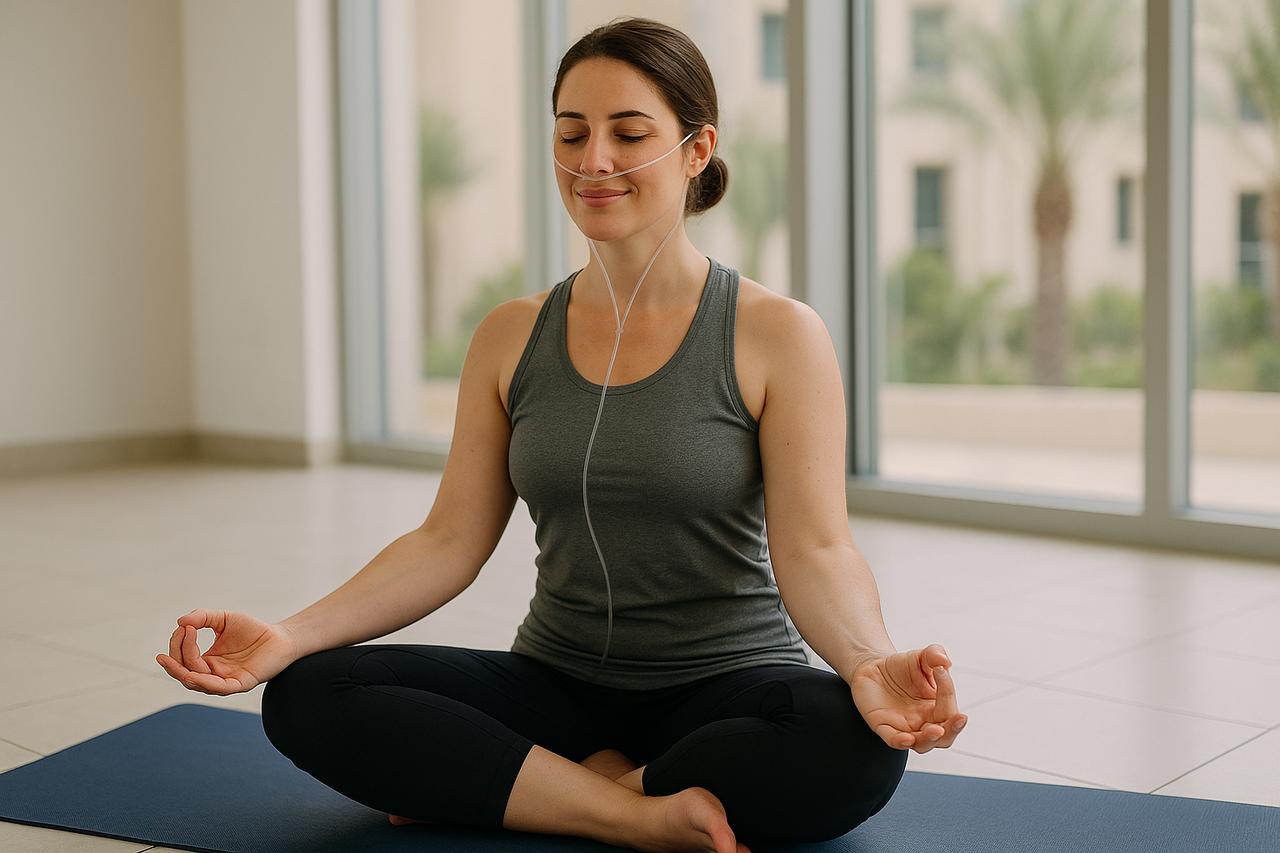
Breathe, Heal, Thrive: A Comprehensive Guide to Yoga for Cardiopulmonary Rehabilitation
For adults navigating the challenges of heart and lung conditions, the path to recovery can often feel overwhelming. Whether you are recuperating from a cardiac event, managing a chronic respiratory illness, or rebuilding strength post-COVID, finding a gentle yet effective form of exercise is crucial. This is where the ancient practice of yoga offers profound, evidence-backed benefits. It is more than just stretching; it’s a holistic system of movement, breathing, and mindfulness that can significantly improve your quality of life. At Physio Cure Dubai, we recognize this potential and integrate it into our doctor-led, evidence-based care. This guide will explore how a tailored practice of yoga for cardiopulmonary rehabilitation can help you regain strength, enhance endurance, and find a deeper sense of well-being.
Unlocking the Science: Why Yoga is a Game-Changer in Cardiopulmonary Care
Traditional cardiopulmonary rehabilitation rightly focuses on structured aerobic exercise and strength training. However, a growing body of scientific evidence highlights yoga as a powerful, complementary therapy that addresses both the physical and psychological dimensions of recovery. The unique combination of physical postures (asanas), controlled breathing (pranayama), and meditation works synergistically to create profound changes in the body.
Research has consistently shown that integrating yoga into rehabilitation can lead to significant improvements. A study published in the Journal of Alternative and Complementary Medicine found that yoga is a feasible and safe addition to cardiac rehabilitation, leading to marked reductions in psychological distress, including anxiety and depression. Physiologically, the benefits are just as compelling. Patients often experience:
- Improved Autonomic Balance: Yoga helps shift the nervous system from a "fight-or-flight" state (sympathetic dominance) to a "rest-and-digest" state (parasympathetic dominance). This leads to a lower resting heart rate, reduced blood pressure, and fewer episodes of arrhythmias like atrial fibrillation.
- Enhanced Respiratory Function: Specialized breathing exercises improve the efficiency of the diaphragm, increase lung capacity, and boost oxygen saturation in the blood.
- Reduced Inflammation: Chronic stress contributes to systemic inflammation, a key factor in cardiovascular disease. The mindfulness and relaxation components of yoga help lower stress hormones like cortisol, thereby reducing inflammatory markers.
- Increased Physical Capacity: While gentle, the postures help build functional strength, improve balance to reduce fall risk, and increase flexibility, making daily activities easier and safer.
This holistic approach aligns perfectly with Physio Cure Dubai’s philosophy of treating the root cause, not just the symptoms. By addressing the interconnectedness of mind and body, we empower patients to take an active role in their long-term health.
The Core Components of a Therapeutic Yoga Practice
A yoga practice designed for cardiopulmonary rehabilitation is vastly different from a typical gym class. Every element is carefully selected and modified to be safe, accessible, and therapeutic. The practice is built on three pillars:
1. Gentle Asanas (Physical Postures)
The focus is on stability, gentle mobility, and postural awareness rather than deep stretches or strenuous poses. Most exercises are performed while seated on a chair or on the floor with ample support from props like cushions and blocks. This ensures that the cardiovascular system is not overtaxed. The goals of these asanas are to improve circulation, release tension in the chest and shoulders to facilitate easier breathing, and build foundational strength in the core and legs.
2. Pranayama (Breathing Exercises Physiotherapy)
This is perhaps the most critical component for individuals with heart and lung conditions. In a clinical setting, we refer to this as breathing exercises physiotherapy. Instead of complex techniques, the focus is on re-establishing a natural, efficient breathing pattern. Key techniques include:
- Diaphragmatic (Belly) Breathing: This technique strengthens the primary breathing muscle, the diaphragm. It helps reduce the effort of breathing, decreases oxygen demand, and promotes a profound sense of calm.
- Pursed-Lip Breathing: Often taught to patients with COPD, this technique helps slow the respiratory rate, keep airways open longer, and improve the exchange of oxygen and carbon dioxide.
- Three-Part Breath (Dirga Pranayama): This practice encourages awareness of the full capacity of the lungs by sequentially filling the abdomen, rib cage, and upper chest, promoting deeper and more complete breaths.
3. Dhyana (Meditation and Mindfulness)
Living with a chronic condition can be a significant source of stress and anxiety. Guided meditation and mindfulness practices teach you to observe your thoughts and feelings without judgment. This practice is scientifically proven to lower the production of stress hormones, which has a direct positive impact on heart health by reducing blood pressure and heart rate variability. Even a few minutes of guided relaxation or a body scan meditation can trigger the body's relaxation response.
Key Tip: Always listen to your body. The goal of therapeutic yoga is not to push your limits, but to gently expand them. If you feel any chest pain, dizziness, or unusual shortness of breath, stop immediately and rest. Communication with your therapist is vital.
A Gentle Start: Foundational Yoga for Cardiopulmonary Rehabilitation Exercises
Under the guidance of a doctor of physical therapy, these simple yet powerful exercises can form the foundation of your practice. They are designed to be done slowly and mindfully, with a primary focus on the breath. Here are a few examples of yoga for cardiopulmonary rehabilitation exercises:
- Seated Cat-Cow (Upavistha Marjaryasana-Bitilasana): Sit tall in a sturdy chair with your feet flat on the floor. Place your hands on your knees. As you inhale, gently arch your spine and look forward, opening your chest (Cow Pose). As you exhale, round your spine, dropping your chin to your chest (Cat Pose). Repeat this fluid movement 5-8 times, synchronizing it with your breath to promote spinal mobility and conscious breathing.
- Seated Mountain Pose (Tadasana): While seated, press your feet firmly into the floor. Elongate your spine as if a string is pulling the crown of your head upward. Relax your shoulders down and away from your ears. Rest your hands on your thighs. Close your eyes and focus on your diaphragmatic breath for 1-2 minutes. This simple pose improves posture and cultivates mindfulness.
- Gentle Seated Side Bends: Inhale and raise your right arm overhead. As you exhale, gently bend to your left, feeling a light stretch along your right side. Keep both sit bones grounded in the chair. Inhale to return to the center and exhale to lower the arm. Repeat on the other side. This helps to open the intercostal muscles between the ribs, allowing for deeper breaths.
- Ankle Pumps and Circles: Extend one leg out in front of you. Gently point and flex your foot 10 times to pump the calf muscle, which aids in venous return to the heart. Then, slowly circle the ankle 5 times in each direction. Repeat with the other leg. This is an excellent exercise for improving circulation, especially if you spend a lot of time seated.
- Supported Legs-Up-the-Wall (Viparita Karani Variation): Lie on your back on the floor or bed, and rest your lower legs on the seat of a chair. Your body should form a 90-degree angle at the hips and knees. This is a deeply restorative pose that encourages lymphatic drainage, reduces lower body edema, and calms the nervous system without stressing the heart. Rest here for 5-10 minutes, breathing gently.
Integrating Yoga into Your Complete Cardiopulmonary Rehab Program
It is essential to view yoga not as a replacement for conventional medical care but as a powerful adjunct to it. A well-designed cardiopulmonary rehab program is comprehensive, and yoga fits into it seamlessly. While your program’s aerobic component (like treadmill walking or stationary cycling) builds cardiovascular fitness, yoga works on complementary aspects: flexibility, balance, respiratory muscle strength, and, critically, mental and emotional resilience.
At a doctor-led clinic like Physio Cure Dubai, this integration is paramount. Your Doctor of Physical Therapy first conducts a thorough assessment to understand your specific diagnosis, functional limitations, and personal goals. The yoga-based interventions are then 100% personalized to your needs, ensuring that every movement and breathing technique is safe and beneficial for your condition. This clinical oversight prevents you from attempting exercises that could be contraindicated and ensures your program evolves as you get stronger.
True progress in rehabilitation isn't measured in a single session, but in the consistent, compassionate steps you take each day. Your yoga mat can be a sanctuary for building both physical and mental resilience.
Building Resilience: Long-Term Endurance Training Tips
Endurance isn't just about how long you can walk on a treadmill; it's about having the energy to enjoy your life, play with your grandchildren, or engage in hobbies without becoming breathless or fatigued. Yoga contributes to this in a sustainable way. Here are some endurance training tips drawn from yogic principles:
- Focus on Breath Efficiency: The more efficient your breathing, the less energy your body expends on this vital function, leaving more energy for other activities. Practice mindful, diaphragmatic breathing throughout your day, not just during your yoga session.
- Embrace 'Pacing': Yoga teaches you to be exquisitely aware of your body's signals. Apply this mindfulness to daily life. Learn to pace yourself, taking short, restorative breaks before you feel exhausted. This prevents the "boom and bust" cycle of overexertion and subsequent collapse.
- Build Strength Gradually: Poses that involve holding your own body weight, even in seated or supported positions, gradually build muscular endurance. This foundational strength supports your cardiovascular system and makes all movement easier.
- Prioritize Restorative Practices: True endurance is built on a foundation of good recovery. Incorporating restorative poses like the supported Legs-Up-the-Wall and Savasana (Corpse Pose) into your routine helps your nervous system recover, improves sleep quality, and restores your energy reserves.
By adopting these principles, you are not just exercising; you are cultivating a sustainable relationship with your body, learning to work with it intelligently and compassionately on your journey back to health.
Ready to embrace a holistic, doctor-led approach to your recovery? Discover how our personalized yoga for cardiopulmonary rehabilitation programs at Physio Cure Dubai can help you breathe easier and live a fuller, healthier life. Contact us today to begin your journey.
Related care at Physio Cure Dubai
Doctor-led physiotherapy under the medical direction of Dr. Mina Gamil. If anything in this article sounds like you, two of our programs are most relevant:
- Specialty hub: Neurological Physiotherapy
- Treatment program: Cardiopulmonary Physiotherapy
Related care at Physio Cure Dubai
Doctor-led services for what you have just read about.
Frequently Asked Questions
What are the benefits of yoga for cardiopulmonary rehabilitation?
Yoga offers significant benefits by improving autonomic balance, which helps lower resting heart rate and blood pressure. It also enhances respiratory function by increasing lung capacity and oxygen saturation, reduces stress-related inflammation, and builds functional strength and balance to make daily activities easier.
Is yoga safe for people recovering from a heart condition?
Yes, when tailored for a therapeutic setting. Yoga for cardiopulmonary rehabilitation is vastly different from a typical gym class. It focuses on gentle, modified physical postures (asanas), often performed while seated, controlled breathing exercises (pranayama), and meditation. It is crucial that the practice is guided by a qualified professional, like a doctor of physical therapy, who can ensure it is safe for your specific condition.
Does Physio Cure Dubai incorporate yoga into its treatment plans?
Yes, Physio Cure Dubai integrates tailored yoga practices into its doctor-led, evidence-based cardiopulmonary rehabilitation programs. The yoga-based interventions are 100% personalized to a patient's diagnosis, limitations, and goals after a thorough initial assessment.
What are some simple breathing exercises for lung health?
Key breathing exercises, also known as pranayama or breathing exercises physiotherapy, include Diaphragmatic (Belly) Breathing to strengthen the main breathing muscle, Pursed-Lip Breathing to slow the respiratory rate and keep airways open, and Three-Part Breath to encourage use of the lungs' full capacity.
Who provides the physiotherapy treatments at Physio Cure Dubai?
All assessments, diagnoses, and treatments at Physio Cure Dubai are performed by licensed doctors holding advanced degrees, such as a Doctor of Physical Therapy (DPT). The clinic emphasizes that treatments are not conducted by technicians.
Can yoga replace traditional cardio exercises like walking on a treadmill?
No, yoga should be viewed as a powerful adjunct to conventional medical care, not a replacement for it. While aerobic exercises build cardiovascular fitness, yoga works on complementary aspects like flexibility, balance, respiratory muscle strength, and mental and emotional resilience.
Does Physio Cure Dubai accept direct billing from insurance companies?
No, Physio Cure Dubai operates on a 'pay upfront' basis and does not offer direct billing. Patients must pay for their services in full at the clinic and then submit the provided invoice and medical documentation to their insurance provider for reimbursement.
What should I do if I feel pain or dizziness during a therapeutic yoga session?
You should always listen to your body. If you experience any chest pain, dizziness, or unusual shortness of breath, you must stop the exercise immediately, rest, and communicate what you are feeling to your therapist.
Are there any payment plans or discounts available at Physio Cure Dubai?
Yes, Physio Cure Dubai offers financial accessibility options. It accepts Tabby, which allows the cost of treatment to be spread over several months. The clinic also provides a 25% discount for Fazaa members and has offers for Alsaada members.
What is the overall treatment philosophy at Physio Cure Dubai?
The clinic's care model is based on four principles: all treatments are doctor-led, care is 100% personalized to the patient, the focus is on diagnosing and treating the root cause of a problem for lasting relief, and it combines a holistic view of well-being with evidence-based practices.
Related Articles

Cupping for Lymphatic Drainage Benefits
Learn how doctor-led dry cupping may support lymphatic drainage, muscle recovery and swelling care as part of physiotherapy in Dubai.
16 min read
Fix Posture Issues: Exercises & Tips for Pain-Free Life
Discover the root of tech neck, rounded shoulders, and swayback. Get expert exercises and daily habits to correct posture, relieve pain, and improve mobility.
14 min read
Staying Active Through Dubai's Summer Heat: A Physiotherapist's Guide
Staying active in Dubai summer can be safe with smart timing, hydration, indoor options, and physiotherapist tips for heat-aware daily exercise routines.
8 min read