Stroke Rehabilitation: What Recovery Looks Like Month by Month
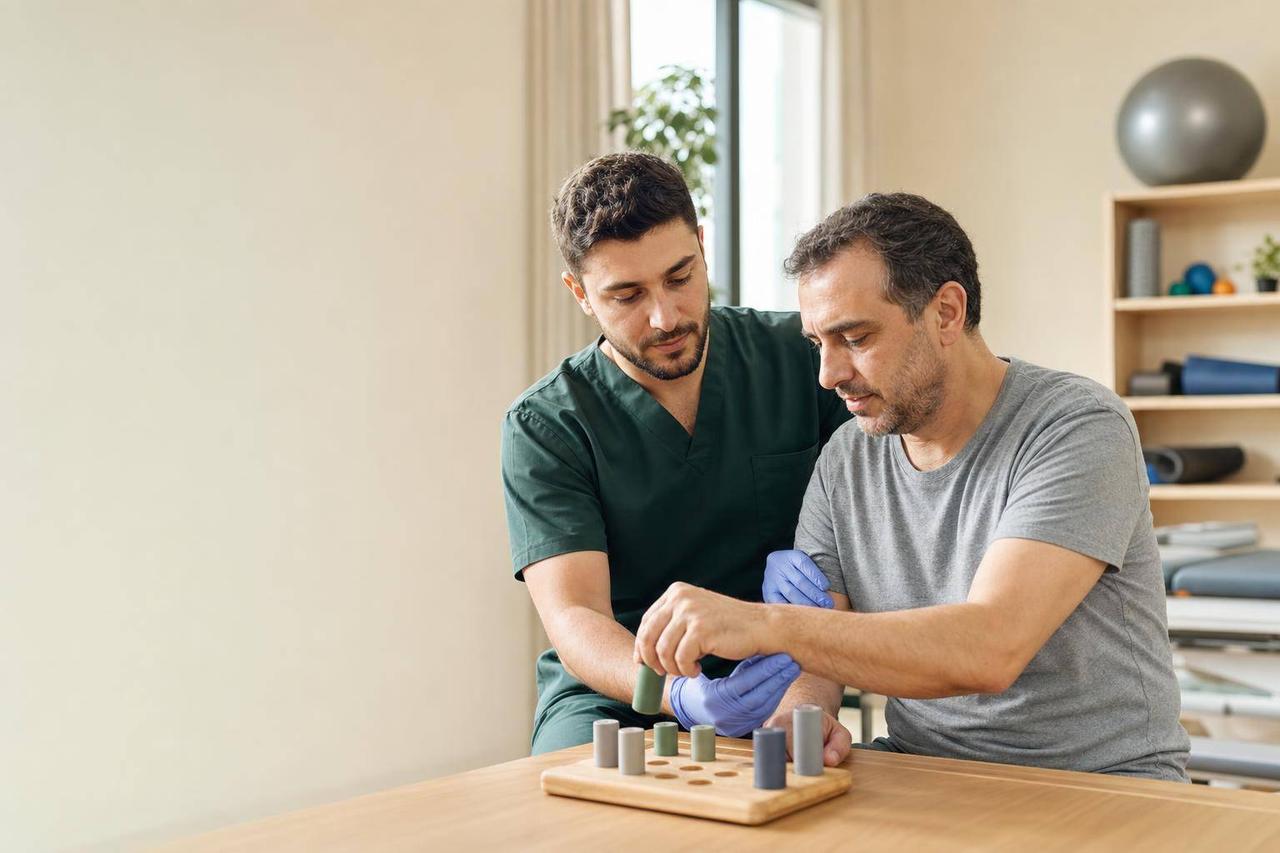
Welcome to our comprehensive guide on stroke rehabilitation. We are here to provide calm, practical, and evidence-led information for patients and caregivers navigating life after a brain stroke. Please note early on that online educational information cannot diagnose your specific condition or replace personalized medical advice from a qualified healthcare professional. If you are a stroke patient or a caregiver, your first step should always be a direct medical consultation to establish a safe and appropriate stroke treatment plan.
What happens after a brain stroke
When an individual experiences a brain stroke, the immediate medical priority is always stabilization. During the first few days, acute care teams focus on keeping the patient medically stable and actively working to prevent another stroke from occurring.
Once the medical team determines it is safe to do so, early movement is introduced. Early stroke rehabilitation in the hospital setting is carefully monitored to ensure the patient responds well to initial physical activity.
The recovery phases
A common question we hear is whether an individual can recover from a stroke. While recovery is absolutely not the same for everyone, stroke rehabilitation usually follows a predictable pattern. The overall timeline depends heavily on the severity of the stroke, the age of the patient, the presence of any other medical problems, and how much dedicated therapy and home practice the individual completes.
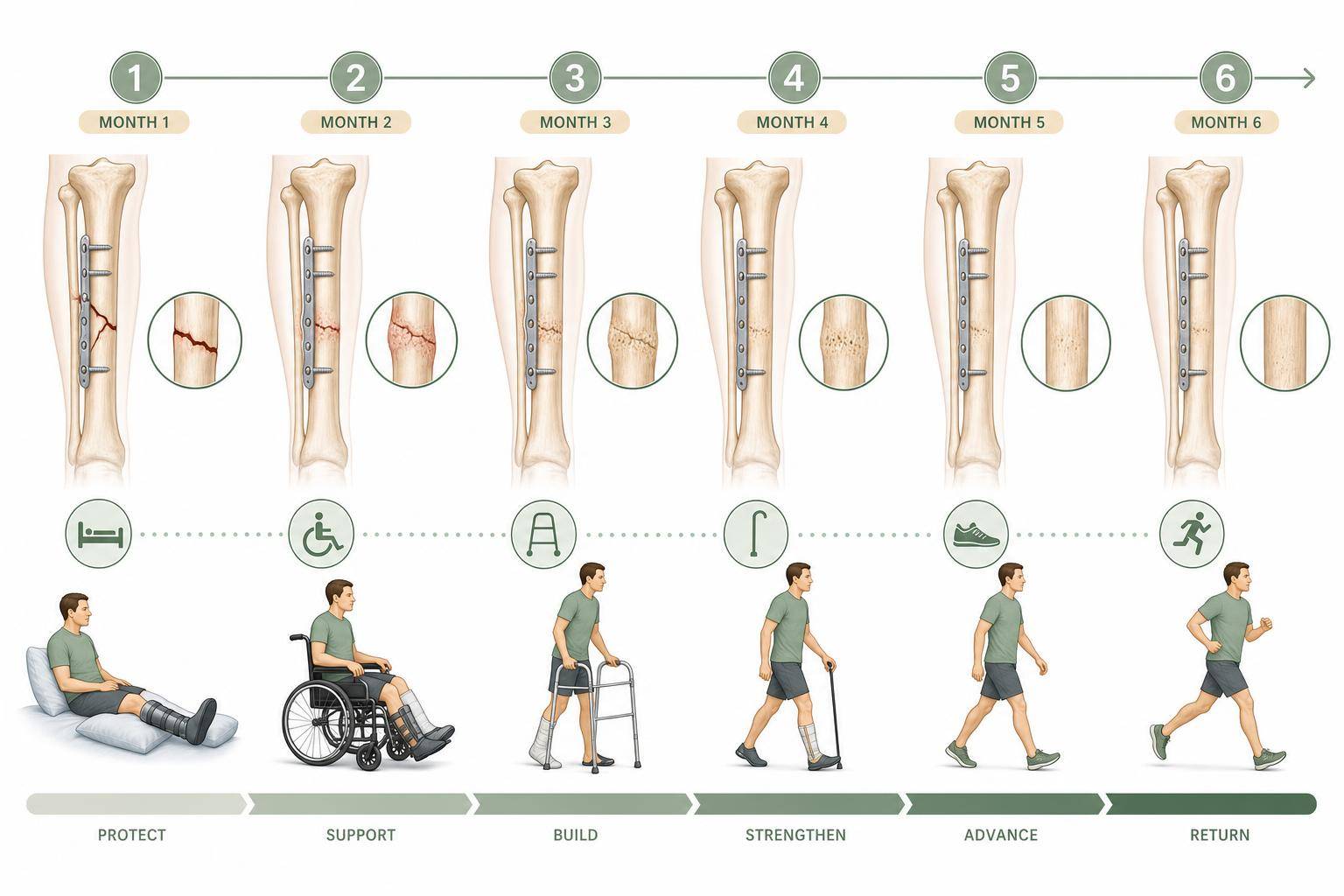
Current stroke rehabilitation research indicates that the first three months are usually the fastest period of improvement. After this initial window, functional gains typically slow down, but progress can certainly continue for six to eighteen months, or even longer, with ongoing stroke rehabilitation physiotherapy.
How long does stroke rehabilitation take?
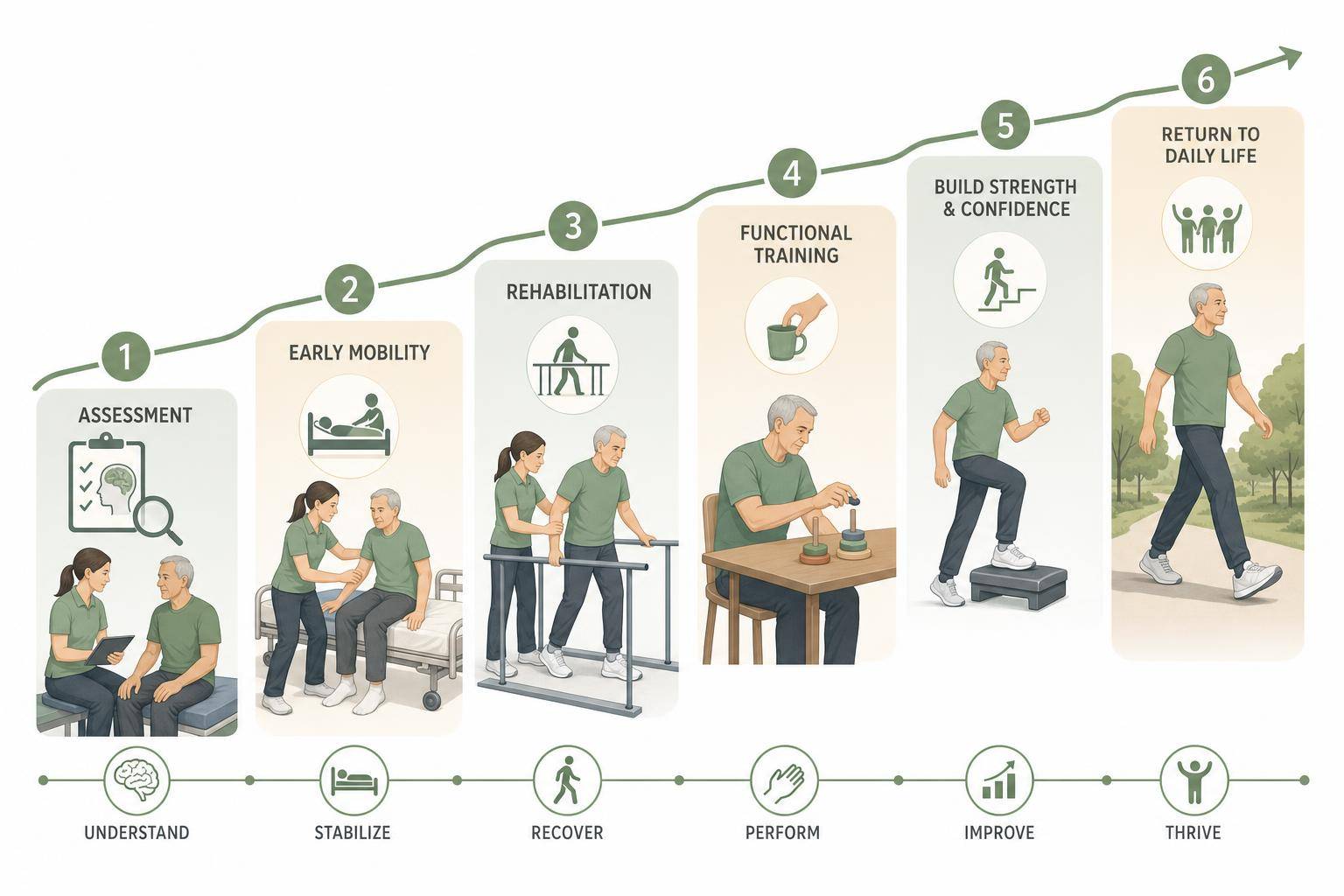
Patients and caregivers frequently ask how long recovery will take and what outpatient stroke rehabilitation or inpatient care involves at different stages. While every stroke patient has a unique path, the evidence highlights a general month-by-month timeline.
Days one to three
In the very beginning, care is centered around medical stabilization in a hospital setting. Medical teams focus on preventing a secondary stroke. If the medical team determines it is safe, early movement might begin during this brief window to encourage basic mobility.
Weeks one to four
During the first month, many people transition into an inpatient stroke rehabilitation program or begin early outpatient stroke rehabilitation. The main goals during these initial weeks are establishing basic mobility, ensuring swallowing safety, practicing basic self-care, and working toward a safe discharge home.
Months one to three
This period is usually the biggest recovery window for a stroke patient. People often see the most significant improvements in walking, speech, and daily function during these first three months. Intensive practice is highly beneficial here.
Months three to six
Recovery often continues during this phase, but the pace generally becomes more gradual. Stroke rehabilitation shifts toward building physical endurance, further improving daily function, and carefully preventing any loss of the gains achieved in the earlier months.
Months six to twelve
Further improvement remains very possible during the second half of the first year. Consistent practice and ongoing therapy are essential, even though progress is usually slower than it was during the initial three months.
Beyond one year
It is important to know that recovery does not stop completely at the one-year mark. Some people continue to improve for twelve to eighteen months, and sometimes even longer. The extent of this long-term progress depends on the severity of the stroke, the intensity of the rehabilitation, and personal health factors. Practicing stroke rehabilitation exercises consistently at home plays a major role in these long-term outcomes.
Regaining movement and strength
Physical movement is a primary focus in stroke rehabilitation. When working on mobility, progress often follows a specific sequence.
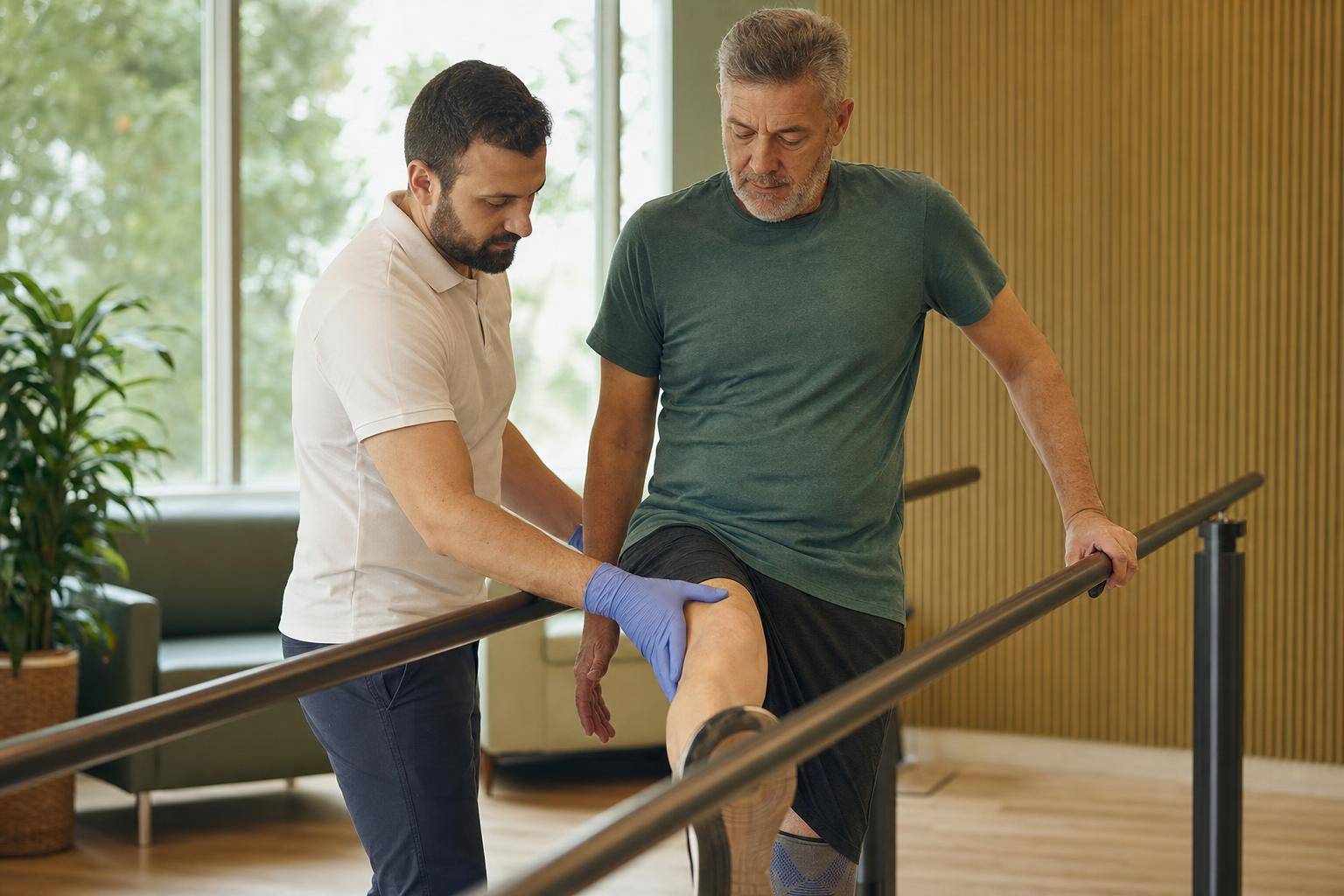
In real life, the early return of larger movements such as sitting, standing, and walking tends to come before the return of fine hand function. Because gross motor skills often return first, a stroke rehabilitation clinic will emphasize early upright mobility when it is safe. Achieving sitting balance and safe standing are critical steps before progressing to walking and more complex activities.
Daily skills and independence
Beyond basic movement, stroke treatment heavily focuses on regaining the ability to perform activities of daily living.
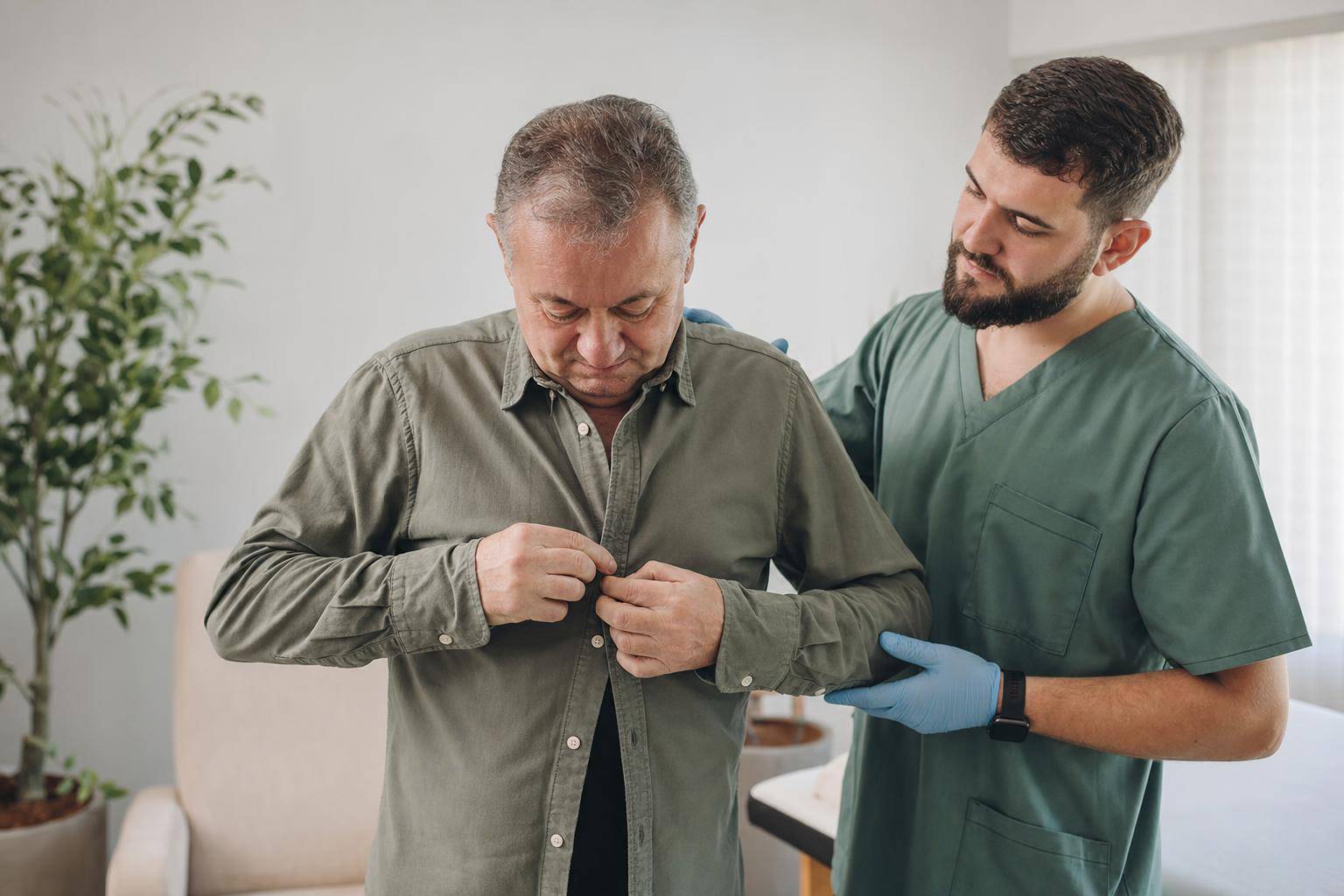
Daily activities such as dressing, bathing, eating, and performing transfers (like moving safely from a bed to a chair) usually improve gradually. This progress is achieved through repetitive practice and the introduction of adaptive strategies. Additionally, speech and language skills often improve over several months, and some people continue making gains in communication well beyond a single year.
Outpatient stroke rehabilitation in Dubai
For those seeking outpatient stroke rehabilitation in Dubai, the approach must be highly individualized. At Physio Cure Dubai, located in Dubai Silicon Oasis, our doctor-led team focuses on function and is guided entirely by patient goals. Because every brain stroke is different, care is strictly assessment-led and evidence-informed.
Our team includes experienced professionals such as Dr. Nada Mohammad, who holds a master's degree from Gulf Medical University and brings expertise in neurological rehabilitation, musculoskeletal rehabilitation, manual therapy, and post-surgical rehabilitation. Depending on a thorough assessment, an individual plan might involve neurological physiotherapy to address movement and balance, or geriatric physiotherapy for older adults working to regain functional independence safely.
If you or a loved one are navigating life after a stroke and would like to explore options for ongoing physical therapy, we are here to support you. You can book a complimentary initial consultation to discuss your specific needs. You can also reach our clinic directly by calling +971 50 301 3005 or by messaging us on WhatsApp. Rescheduling terms apply.
Related care at Physio Cure Dubai
Doctor-led services for what you have just read about.
Frequently Asked Questions
What is stroke rehabilitation and what does it involve?
Stroke rehabilitation is a structured program that helps a person regain function after a brain stroke. It may include physiotherapy for movement, balance, strength, walking, and transfers, along with support from occupational therapy or speech therapy when needed. The plan should begin only when the medical team confirms it is safe.
How long does stroke rehabilitation take?
The timeline is different for every person. Many people make their fastest gains in the first three months, but improvement can continue for six to eighteen months or longer with consistent therapy and home practice. Recovery depends on stroke severity, age, other health conditions, and how regularly rehabilitation is completed.
Who should I see for stroke rehabilitation?
Start with your hospital doctor, neurologist, or primary physician to confirm medical stability and safety. A physiotherapist with experience in neurological rehabilitation can then assess movement, balance, strength, and walking needs. Some patients also benefit from occupational therapy, speech and language therapy, or geriatric physiotherapy depending on their goals.
What are the 7 stages of stroke recovery?
There is not one universal 7-stage model that applies to every stroke patient. In practical rehabilitation, recovery is often discussed by phases such as early hospital stabilization, early movement, the first month of basic function, the three-month rapid improvement window, gradual gains from three to six months, longer-term progress up to one year, and continued practice beyond one year. Your clinician can explain which framework is most relevant to your condition.
How long is the recovery time for a mild stroke?
Recovery after a mild stroke may happen over weeks for some people, while others need several months of therapy and practice. The first three months are often the most active period of improvement, even when symptoms seem mild. A mild stroke should still be assessed carefully because balance, fatigue, hand function, or speech changes can affect daily life.
What is the best recovery approach after a stroke?
The best approach is usually early, safe, individualized rehabilitation guided by a proper assessment. Repetitive practice, goal-based physiotherapy, home exercises, and careful management of medical risk factors all play important roles. There is no single exercise or treatment that is right for everyone.
Can I recover from a stroke?
Many people regain movement, communication, and independence to varying degrees after a stroke. Progress is usually fastest in the first three months, but some people continue improving for a year or more. A physiotherapy assessment can help set realistic goals and guide the safest next steps.
How should I plan for the cost of stroke rehabilitation?
The overall cost can vary because each plan depends on the setting, therapy frequency, clinical needs, and recovery goals. The most useful first step is an assessment-led plan that explains the recommended type and duration of rehabilitation, so you can make an informed decision.
Related Articles
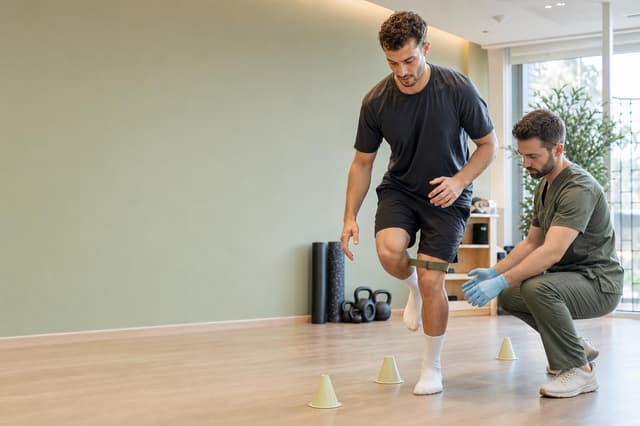
Sports Physiotherapy in Dubai: From Injury to Return to Play
Learn how sports physiotherapy dubai supports injury rehab, strength rebuilding, and return-to-play testing with doctor-led care in Dubai Silicon Oasis.
12 min read
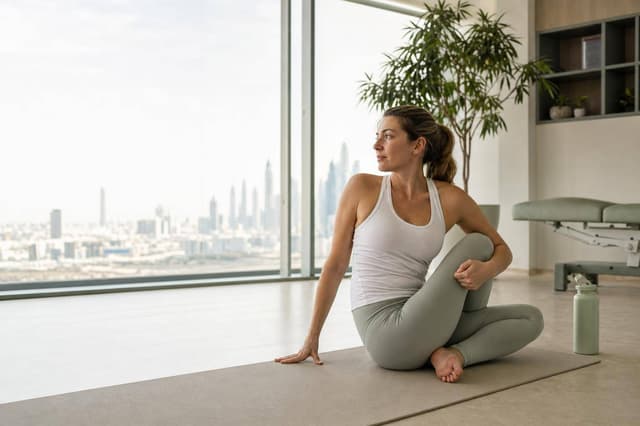
Staying Active Through Dubai's Summer Heat: A Physiotherapist's Guide
Staying active in Dubai summer can be safe with smart timing, hydration, indoor options, and physiotherapist tips for heat-aware daily exercise routines.
8 min read
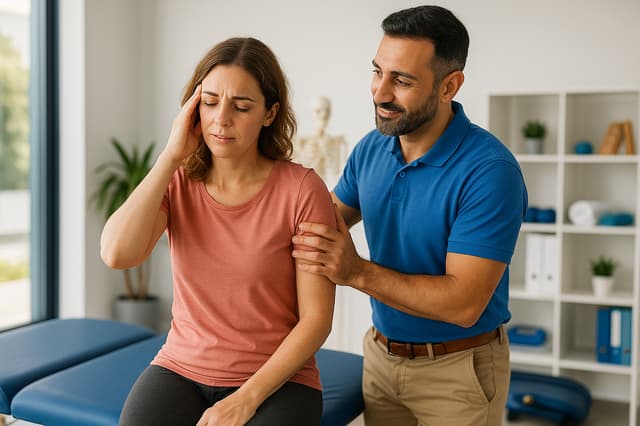
Dizziness & Balance Issues: Causes and Relief Guide
Discover how inner ear, neurological, and cardiovascular factors trigger dizziness. Learn physiotherapy vestibular rehab strategies to regain balance today.
14 min read