Physiotherapy and Insurance in Dubai: 7 Things to Know About Reimbursement, Referrals, and Documentation

Navigating healthcare administration can feel challenging, especially when you are already dealing with physical discomfort, limited mobility, or recovering from a recent injury. Understanding how physiotherapy insurance reimbursement works in dubai can help you focus your energy on what truly matters: your physical recovery, your rehabilitation exercises, and returning to the daily activities you enjoy. It is important to state early on that online educational information cannot diagnose your condition, replace a professional medical assessment, or guarantee that your insurance company will approve a specific claim. We cannot prescribe an individual treatment plan or alter your policy details. Instead, this guide provides a calm, evidence-informed overview of how health insurance systems typically handle physiotherapy in Dubai. By understanding the common rules regarding approvals, medical referrals, and required documentation, you can approach your treatment plan with greater confidence and fewer administrative surprises.
How reimbursement usually works
In Dubai, health insurance is closely regulated by the Dubai Health Authority to ensure a baseline standard of care across the emirate. Physiotherapy is generally a reimbursable service under most regulated health insurance plans, where it is typically categorized under outpatient services or rehabilitation benefits. However, the exact way this reimbursement happens depends heavily on the structure of your specific policy and whether your chosen clinic is within your insurance provider network. For many patients, treatment is delivered through a direct billing system, meaning the clinic communicates with the insurer and the patient simply pays their required portion at the reception desk. For others, particularly those visiting out-of-network clinics, the process involves a pay-and-claim reimbursement model where the patient pays the full amount upfront and later submits the required documents to their insurer for partial or full repayment. Whether you are using direct billing or a reimbursement pathway, understanding your plan type is an essential first step. At Physio Cure Dubai, we encourage patients to review their policy documents carefully before beginning an extensive rehabilitation program, as insurance policies vary significantly in their coverage limits, network access, and authorization requirements.
Why claim denials happen
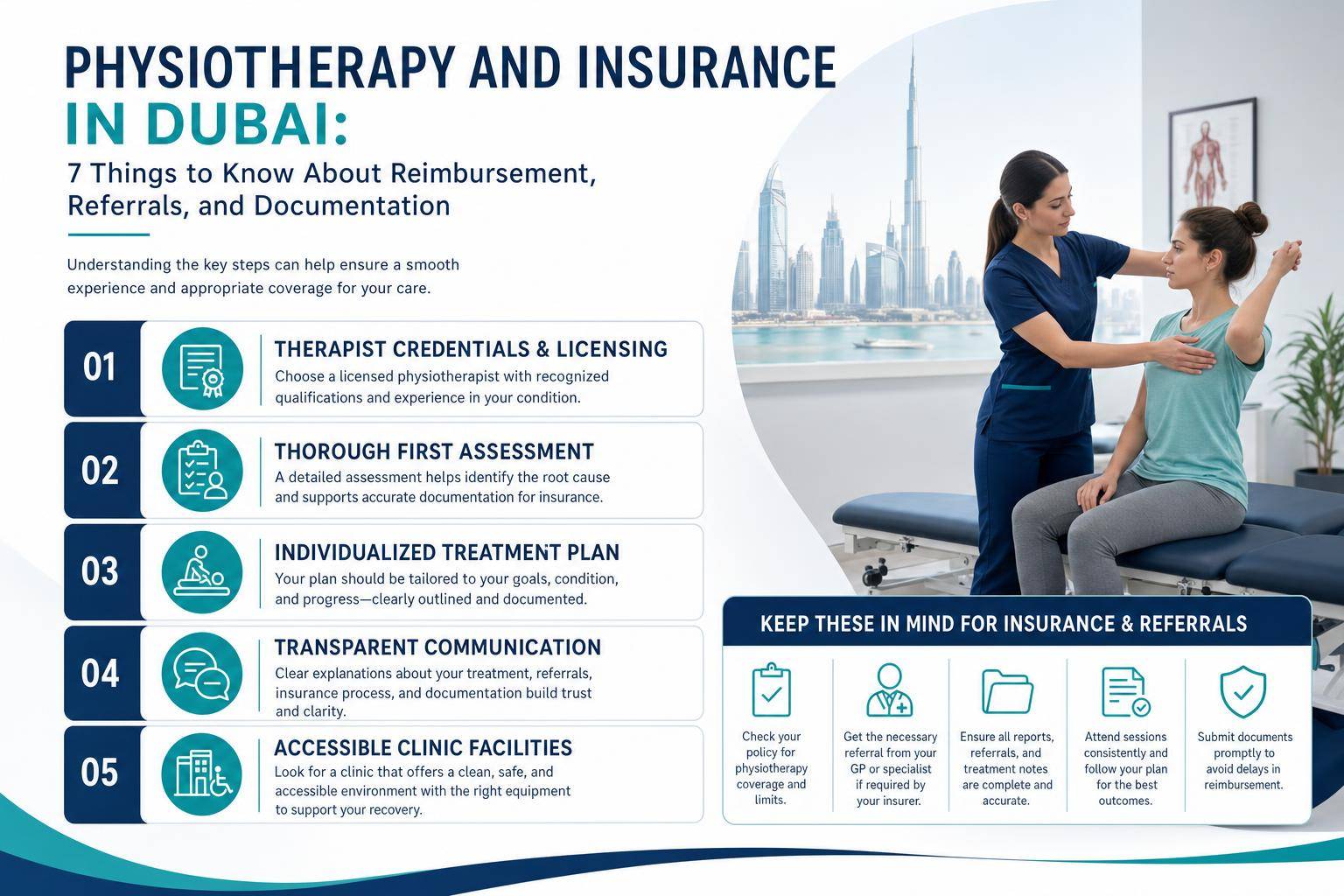
When patients experience unexpected claim denials or partial rejections, it is usually because the specific administrative criteria set by the insurance company were not fully met. Health insurance policies in Dubai are strictly designed to cover treatments that are deemed medically necessary. This means the physiotherapy must be specifically prescribed by a doctor to address a diagnosed medical condition, acute injury, or functional deficit. Insurance plans do not cover physiotherapy sessions if they are used for general wellness, standard fitness routines, or relaxation purposes. A lack of clear medical necessity documentation from a referring doctor is a very common reason why coverage might be restricted or denied outright. Additionally, skipping the mandatory doctor referral step, failing to obtain prior approval when your policy requires it, or exceeding your annual allowance of covered sessions will generally result in the insurance company declining to cover the costs. Understanding these boundaries helps you prepare the right paperwork and ensures that your clinical care aligns with the administrative rules of your coverage.
7 Things to Know About Reimbursement, Referrals, and Documentation
If you are planning to use your insurance to support your physical rehabilitation, knowing the specific rules of your policy can prevent unnecessary stress. The administrative process can sometimes feel complicated, but breaking it down into manageable steps makes it much easier to handle. Based on current guidelines and common insurance practices in Dubai, we have outlined seven distinct, actionable questions you should consider regarding reimbursement, medical referrals, and the specific documents you will need to provide.
1. How does your plan type affect physiotherapy reimbursement?
Dubai regulated health insurance plans commonly include outpatient physiotherapy, but the level of coverage depends heavily on your plan type. If you are covered under an Essential Benefits Plan, often referred to as an EBP, your policy typically covers physiotherapy with strict annual session caps. For a basic EBP, this generally means a maximum of about six covered sessions per year. Conversely, if your employer provides an enhanced or comprehensive corporate plan, your annual allowance might allow for fifteen to twenty or more sessions per year, depending on your documented clinical needs.
2. Is a medical referral strictly required for your claim?
For most patients seeking insurance reimbursement, a formal medical referral is required. Dubai Health Authority insurance directives stipulate that for Essential Benefits Plan members, no specialist treatment costs are payable unless the patient first consults a general practitioner. The doctor must then issue a referral using the official electronic claims system. Even on enhanced plans, policies often explicitly state that physiotherapy must be prescribed by a treating physician, such as an orthopedic specialist, to be eligible for coverage.
3. How do pre-authorization and network rules impact your coverage?
Many insurance policy tables list outpatient physiotherapy as a service subject to prior approval. This means the clinic must request permission from the insurance company before covered treatment begins. Furthermore, outpatient physiotherapy is generally reimbursed only when treatment is delivered at approved network clinics. Some restrictive plans require care in designated primary care clinics and exclude hospital-based outpatient physiotherapy. To maximize successful claims, check if your chosen facility is within your approved network before booking.
4. What session limits and co-payments should you expect?
Even when physiotherapy is approved, basic plans frequently cap care at around six sessions annually and often apply a co-insurance requirement per session. Co-insurance is the percentage of the treatment cost that you are responsible for paying, commonly ranging from twenty to thirty percent. Enhanced products might offer higher session limits, but they typically still require a co-payment fee for each visit. Financial caps per encounter or per year are standard across most policies.
5. Which documents do insurers commonly request?
To process a claim, insurance companies expect specific documents proving your treatment is medically required. Typical documentation includes a valid doctor prescription stating your exact diagnosis and the clinical reason for needing rehabilitation. If your plan requires it, you also need the formal pre-authorization approval letter from the insurer. Additionally, you must submit detailed clinic invoices, official receipts, and comprehensive treatment reports from a licensed provider. Your referring physician may also need to provide clinical necessity notes.
6. How do self-pay and insured pathways differ?
It is important to separate your clinical access to care from your administrative access to insurance funds. In Dubai, patients are free to book an appointment directly with a physiotherapist without any doctor referral if they are paying out of pocket. This self-pay pathway allows for immediate clinical care. However, if you want your insurance company to reimburse the costs, you must follow their specific rules, which almost always mandate securing a proper referral before your first visit.
7. What practical steps can you take to reduce claim denials?
You can actively protect your insurance claims by taking practical steps before starting therapy. Always begin by checking your policy documents to understand your personal session caps, co-payment percentages, and exact referral rules. Secure a proper referral from a general practitioner or specialist before scheduling your first session. Make sure you select a licensed, in-network provider to avoid coverage reductions. Ensure pre-authorization is firmly in place, and carefully retain every receipt and printed treatment report for your records.
Referrals and what to bring

When you are preparing for your first physiotherapy assessment under an insurance claim, arriving with the correct documentation makes the process much smoother. You should bring your physical or digital Emirates ID, your current health insurance card, and the formal written referral or prescription from your doctor. This referral should clearly state your diagnosis and the recommended course of physical rehabilitation. If your insurance company has already issued a pre-authorization approval for your initial assessment, bring a copy of that approval letter or the specific reference number provided by your insurer. Having these documents ready allows the clinic administration team to cross-reference your details with the electronic claims system efficiently.
Questions worth asking first

Before committing to a long-term rehabilitation plan, we highly encourage patients to ask their insurance broker, human resources department, or the insurance provider directly about their specific benefits. You might ask: Does my policy cover outpatient physiotherapy, and is it restricted to a certain number of sessions per year? Do I need to see a general practitioner first, or can I get a referral directly from an orthopedic specialist? What is my exact co-payment or co-insurance percentage for each session? Clarifying these administrative details early on helps you understand your financial responsibilities and prevents stressful surprises halfway through your recovery process.
What to expect during your treatment
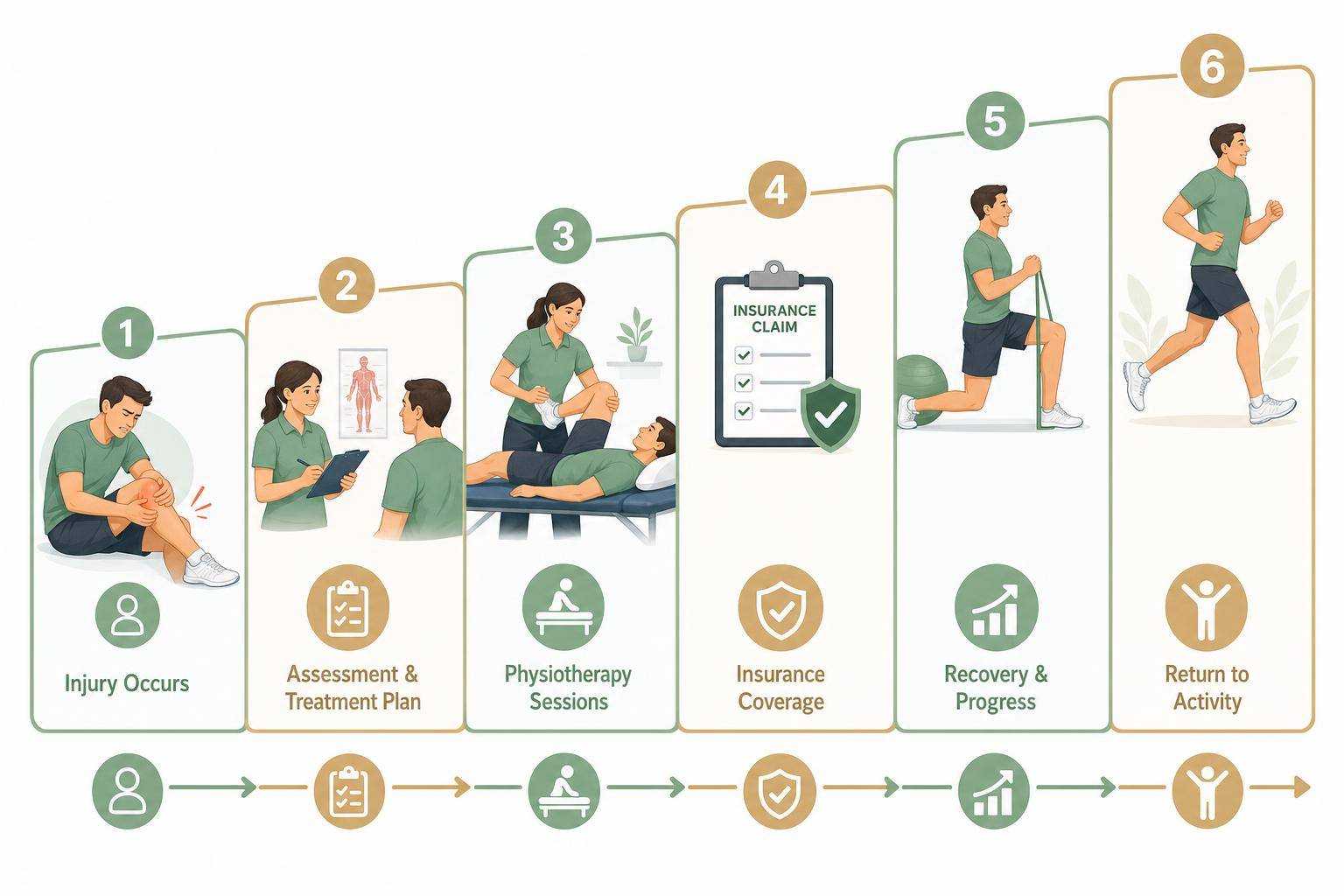
Once the administrative paperwork is properly organized, the true focus shifts entirely to your physical recovery and functional goals. During your initial visit, your physiotherapist will conduct a detailed, individualized clinical assessment to understand your pain triggers, mobility limitations, and daily movement requirements. This assessment guides every step of your care. For instance, Dr. Alaa Abdelaal, an expert physical therapist with specialized experience in orthopedic rehabilitation, sports rehabilitation, and manual therapy, works closely with patients to ensure that their treatment plans are firmly evidence-informed and aligned with their specific personal goals. You can generally expect your treatment to include a combination of targeted strengthening exercises, movement re-education, and careful monitoring of your progress. While manual therapy may be used as a helpful component of an assessment-led plan, active participation in your prescribed exercises is typically the most effective way to restore function. We offer a broad services overview to help you understand the different approaches available.
Related care at Physio Cure Dubai
Doctor-led services for what you have just read about.
Frequently Asked Questions
How does physiotherapy insurance reimbursement usually work in Dubai?
Physiotherapy reimbursement in Dubai depends on your specific policy, network rules, and whether your treatment is considered medically necessary. Some patients pay first and submit documents to their insurer for review, while others must follow approved network and authorization steps before treatment begins. Always check your policy before starting a longer rehabilitation plan.
Do I need a doctor referral before physiotherapy for insurance reimbursement?
In many Dubai insurance plans, a doctor referral is required before physiotherapy can be considered for reimbursement. Essential Benefits Plan members often need to see a general practitioner first, while enhanced plans may accept a referral from a treating specialist. Starting therapy without the required referral may lead to partial or full claim rejection.
What documents are usually needed for a physiotherapy insurance claim?
Insurers commonly ask for a valid doctor prescription or referral that includes your diagnosis and the reason physiotherapy is needed. You may also need pre-authorization approval, detailed invoices, official receipts, and treatment reports from a licensed provider. Keeping copies of every document can help reduce delays.
Why might a physiotherapy claim be denied in Dubai?
Claims are often denied when the insurer does not receive enough evidence of medical necessity. Other common reasons include missing referrals, lack of pre-authorization, using a clinic outside the approved network, or exceeding your annual session limit. Your insurer makes the final decision based on your policy terms.
How many physiotherapy sessions does insurance usually cover?
Session limits vary widely between policies. Basic Essential Benefits Plans may have strict annual caps, while enhanced employer plans may allow a higher number of sessions when medically justified. Your policy document or insurer can confirm your exact annual limit and any co-payment requirement.
Can I see a physiotherapist without a referral if I am paying myself?
Yes, patients in Dubai can usually book a physiotherapy assessment directly when they are self-paying. However, clinical access and insurance reimbursement are separate. If you want to submit costs to your insurer, you should follow the referral and approval steps required by your plan before the first visit.
What should I ask my insurer before my first physiotherapy appointment?
Ask whether outpatient physiotherapy is covered, how many sessions are allowed each year, and whether a referral is needed from a general practitioner or specialist. It is also helpful to confirm any pre-authorization requirement, co-payment percentage, and approved provider network. These questions can help you plan care with fewer administrative surprises.
When should I seek urgent medical care instead of waiting for insurance paperwork?
If you have severe pain, sudden loss of movement, a major injury, or rapidly worsening symptoms, seek medical care promptly. Do not wait for insurance paperwork if your symptoms may require urgent assessment. Physiotherapy planning can be organized after your immediate medical needs are addressed.
Related Articles

5 Checks Before Starting Knee Osteoarthritis Exercises
Learn what a physiotherapist assesses before knee osteoarthritis exercises, including symptoms, swelling, strength, function, and safety checks first.
9 min read

Achilles Tendinitis Recovery: Key Milestones for Runners
Learn achilles tendinitis recovery milestones for runners, from walking pain limits to heel raises, walk-run progressions, and safe training load changes.
8 min read

9 Questions to Ask Before Choosing a Physiotherapy Clinic in Dubai
Nine practical questions to ask before choosing a physiotherapy clinic in Dubai, covering consent, shared decisions, roles, risks, and support.
7 min read