5 Checks Before Starting Knee Osteoarthritis Exercises
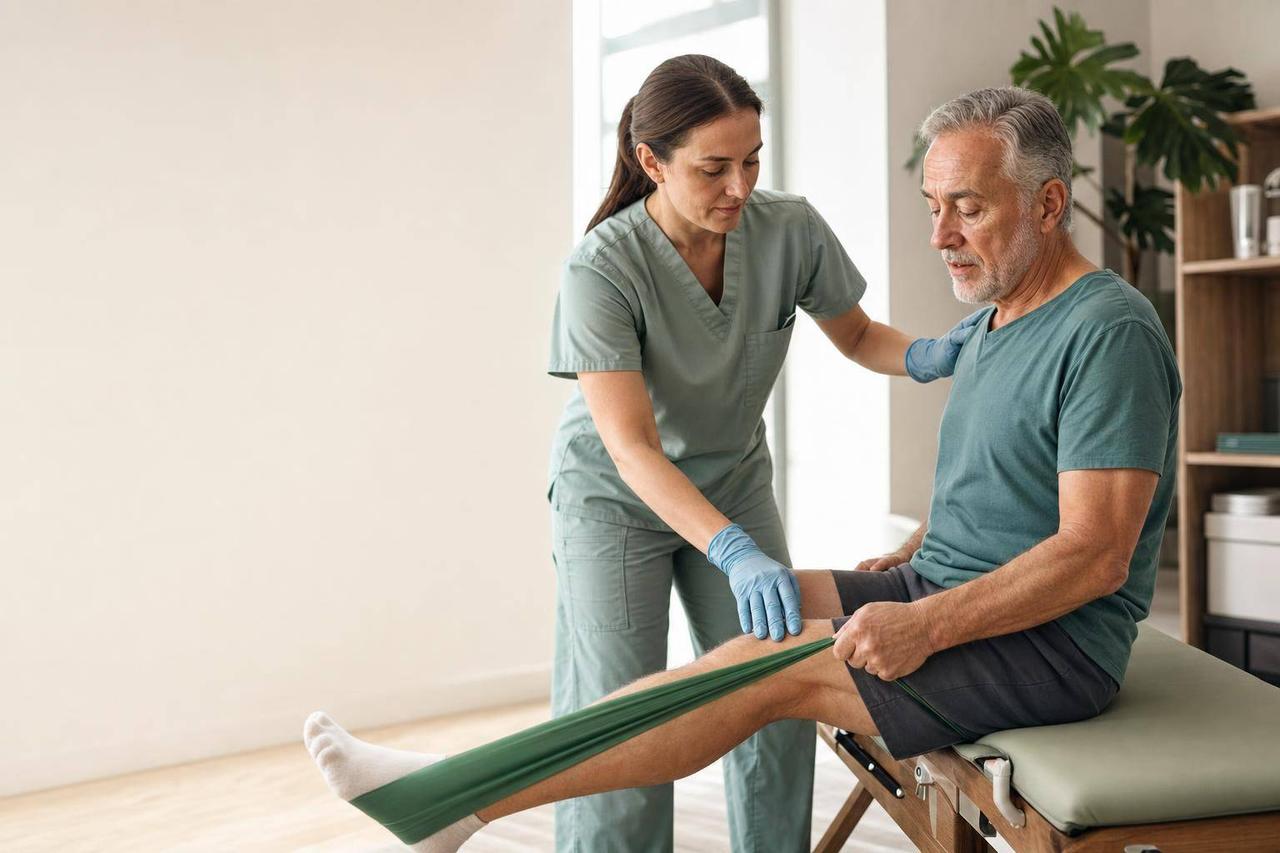
When joint stiffness and discomfort start interfering with your daily routine, understanding the right path forward can feel overwhelming. Many people wonder what a physiotherapist assesses before knee osteoarthritis exercises begin, especially when movement already feels challenging. Please remember that online information cannot diagnose your condition, replace a professional medical evaluation, or prescribe an individual treatment plan. However, learning about the structured assessment process can help you feel more prepared and confident as you take steps toward managing your symptoms.
What happens inside the knee
Knee osteoarthritis is a common condition that affects how the joint functions and feels during daily activities. The current clinical guidelines emphasize that understanding your unique experience with the condition is a critical first step. This involves a comprehensive baseline assessment to capture exactly how the joint is behaving and how those symptoms impact your overall health and well-being. Before any exercises are introduced, a physiotherapist must build a clear picture of your specific situation.
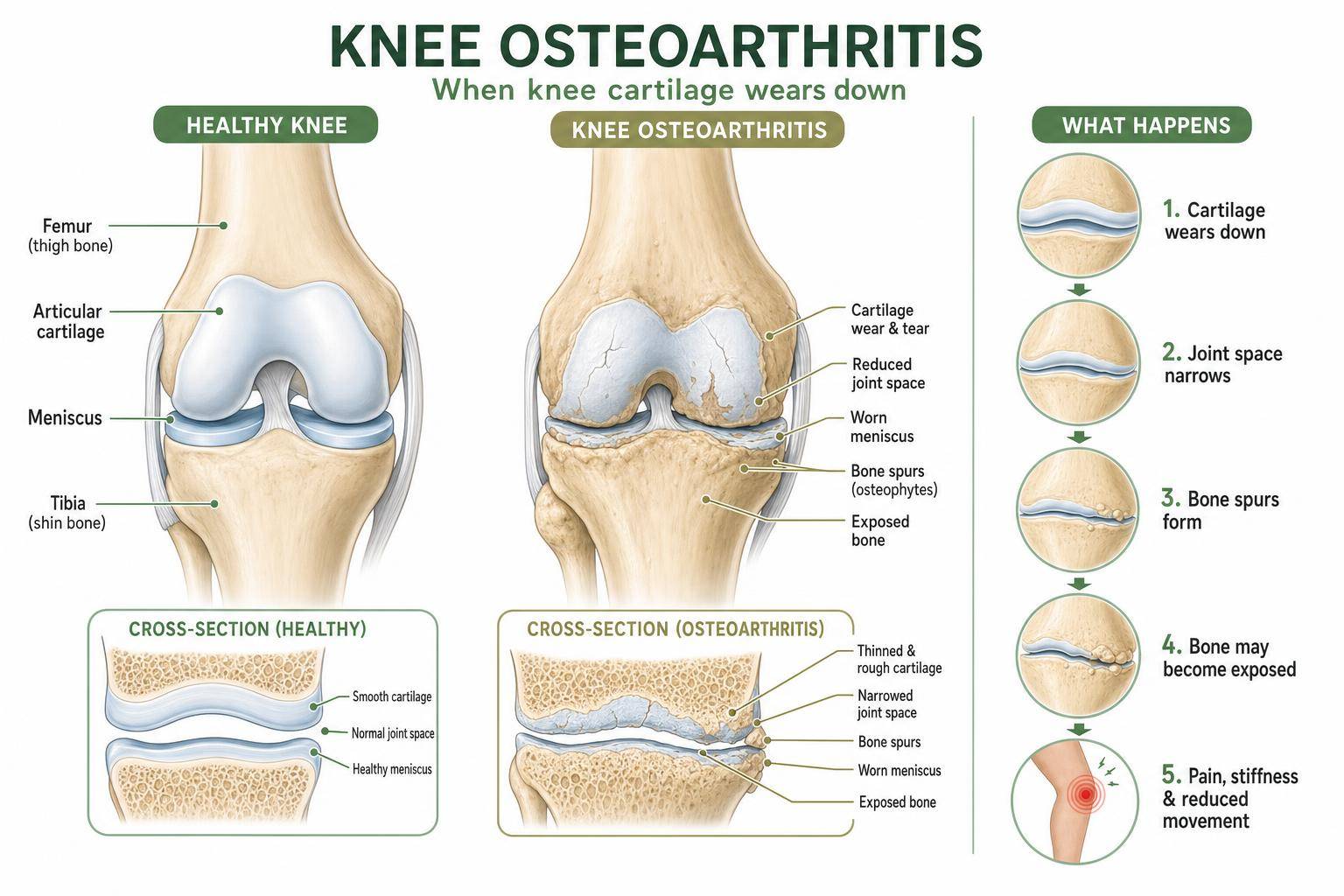
The symptoms associated with this condition can vary significantly from person to person. A thorough evaluation will look at your specific pain pattern, noting when the discomfort occurs and how it changes throughout the day. Stiffness, particularly after periods of rest, is another key feature that requires careful monitoring. The onset and duration of your symptoms provide essential clues about the current state of the joint. By identifying the exact factors that aggravate or alleviate your discomfort, the physiotherapist can begin to understand the unique mechanical and inflammatory behaviors of your knee. Current guidelines also highlight the importance of noting any effusion or swelling in the joint, as this helps determine whether the knee is currently experiencing a flare.
The 5 Essential Checks Before Starting Exercise
Major guidelines strongly support exercise as a core treatment for managing joint discomfort and improving function. However, knee osteoarthritis exercise should always be individualized and started from a suitable baseline, with specific goals and follow-up measures in place to monitor your response. To achieve this, an evidence-led approach requires a comprehensive baseline assessment. Here are the five key checks your physiotherapist will complete before recommending an exercise plan.
1. Symptoms and Medical History Check
The first phase of the assessment focuses entirely on your symptoms and history. Your physiotherapist will conduct a detailed interview to understand the specific pain pattern you are experiencing. This includes discussing the exact location, quality, and intensity of the discomfort, as well as how long you have been managing these symptoms. The onset and duration of your stiffness and pain are carefully recorded to establish a baseline. You will also discuss the specific activities or movements that aggravate your symptoms, as well as the positions or strategies that help alleviate them. Furthermore, understanding your prior treatment response is critical. By discussing what has or has not worked for you in the past, the physiotherapist can tailor the new approach to avoid repeating ineffective strategies and instead focus on what supports your joint health.
2. Functional Movement and Daily Limitations Check
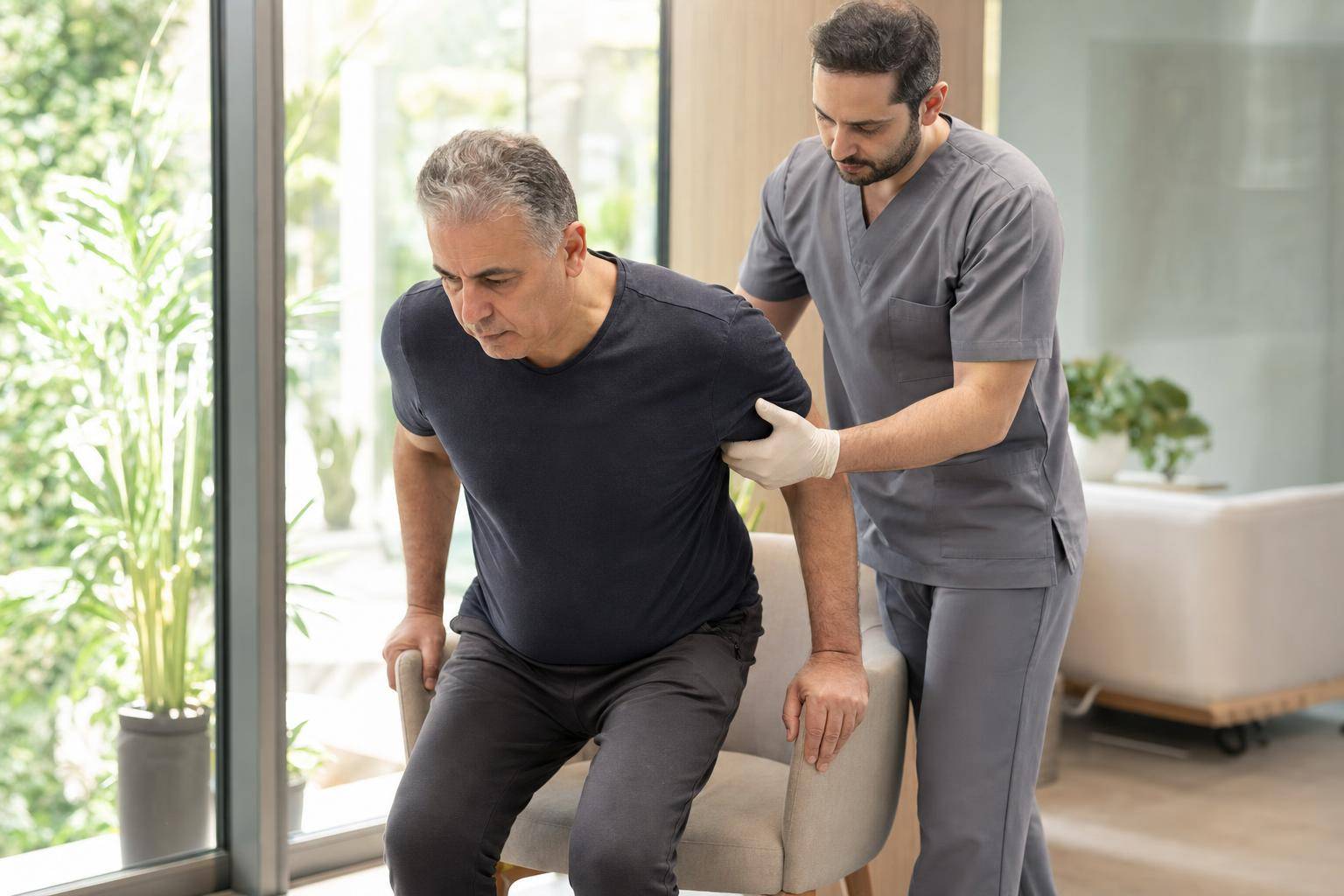
The second check focuses on your physical limitations and functional restrictions. Rather than simply asking if your knee hurts, the physiotherapist will assess how the condition impacts your specific daily activities. This involves a careful evaluation of fundamental movements such as walking, navigating stairs, and the sit-to-stand motion. Walking assessments help identify any compensatory movement patterns that might be placing additional stress on other joints. Evaluating how you handle stairs provides insight into your joint capacity under load, while the sit-to-stand test offers objective data regarding your lower limb power and control. By thoroughly documenting these functional restrictions and participation limits, the physiotherapist ensures that the proposed exercise plan is directly tied to improving the specific daily activities that matter most to you.
3. Physical Examination of the Joint Check
The physical exam is a critical component of what a physiotherapist assesses before knee osteoarthritis exercises. During this check, the physiotherapist will carefully measure your range of motion to understand how far the joint can comfortably move. Strength testing is also performed to identify any muscle weakness, particularly in the quadriceps and hip muscles, which are vital for supporting the knee. The examination includes a detailed look at your gait and overall lower limb alignment. Importantly, the physiotherapist will check for signs of effusion and swelling, which indicate the current level of joint irritability. Assessing the overall movement quality and conducting specific functional tests allows the clinician to gather objective data. This data is essential for determining a safe and effective starting point for your individualized exercise program.
4. Risk Screening and Red Flag Check
A comprehensive risk screen is a mandatory part of the baseline assessment. This check ensures that exercise is safe and appropriate for your specific situation. The physiotherapist will screen for red flags, which are signs that might suggest a serious alternative diagnosis or a condition requiring immediate medical review. They will also evaluate your overall health and document any comorbidities you may have. Understanding your complete health picture is vital, as comorbidities might require a lower starting exercise dose, a slower progression, or a completely different exercise mode. The physiotherapist will also identify any contraindications or specific exercise precautions based on atypical features or other potential sources of pain. This rigorous screening process ensures that your care plan is built on a foundation of safety.
5. Psychosocial Context and Self-Management Check
The final essential check involves understanding the broader context of your condition. Psychosocial factors play a significant role in how we experience pain and engage with rehabilitation. Your physiotherapist will discuss your personal expectations, motivation levels, and the support systems you have in place. Understanding your lifestyle and personal goals helps the clinician design a program that is realistic and achievable. Additionally, this check evaluates your self-management needs. Effective care is not just about the exercises you do in the clinic; it relies heavily on your ability to confidently manage your symptoms at home. By assessing your readiness and providing targeted patient education, the physiotherapist empowers you to take an active role in your ongoing joint health.
Exercises that protect the knee
Once the comprehensive baseline assessment is complete, the focus shifts to selecting the most appropriate exercises. Current clinical guidelines confirm that exercise is a core treatment for this condition. However, it is important to note the nuance in the research: guidelines strongly support exercise, but they do not identify one single best knee osteoarthritis exercise for everyone. Instead, the selection depends entirely on your reported symptoms, current functional capacity, comorbidities, and personal preferences.
Structured land-based exercise is widely recognized as highly effective and typically forms the foundation of a rehabilitation program. This approach generally includes both strengthening and aerobic components. Land-based strengthening exercises are specifically targeted at the lower limb, with a strong emphasis on building capacity in the quadriceps and hip muscles. Strengthening these surrounding muscle groups helps absorb shock and improves the overall stability of the joint. Aerobic exercise, such as walking or cycling, is also heavily supported by major guidelines to improve joint health and overall physical conditioning.
In addition to strengthening and aerobic work, an individualized program can include neuromuscular and balance training. These functional exercises help improve the coordination between your nervous system and your muscles, enhancing joint control during dynamic movements. Flexibility and stretching exercises are also commonly used as an adjunct to help maintain or improve your range of motion. Depending on your baseline capacity and personal preferences, aquatic exercise may be recommended in some guidance, offering a buoyant environment that reduces the load on the joint while still providing resistance. Furthermore, mind-body exercises such as Tai Chi or yoga are highlighted in some guidelines as valuable options for certain individuals, combining gentle movement with balance and focus.
Navigating treatment and recovery expectations
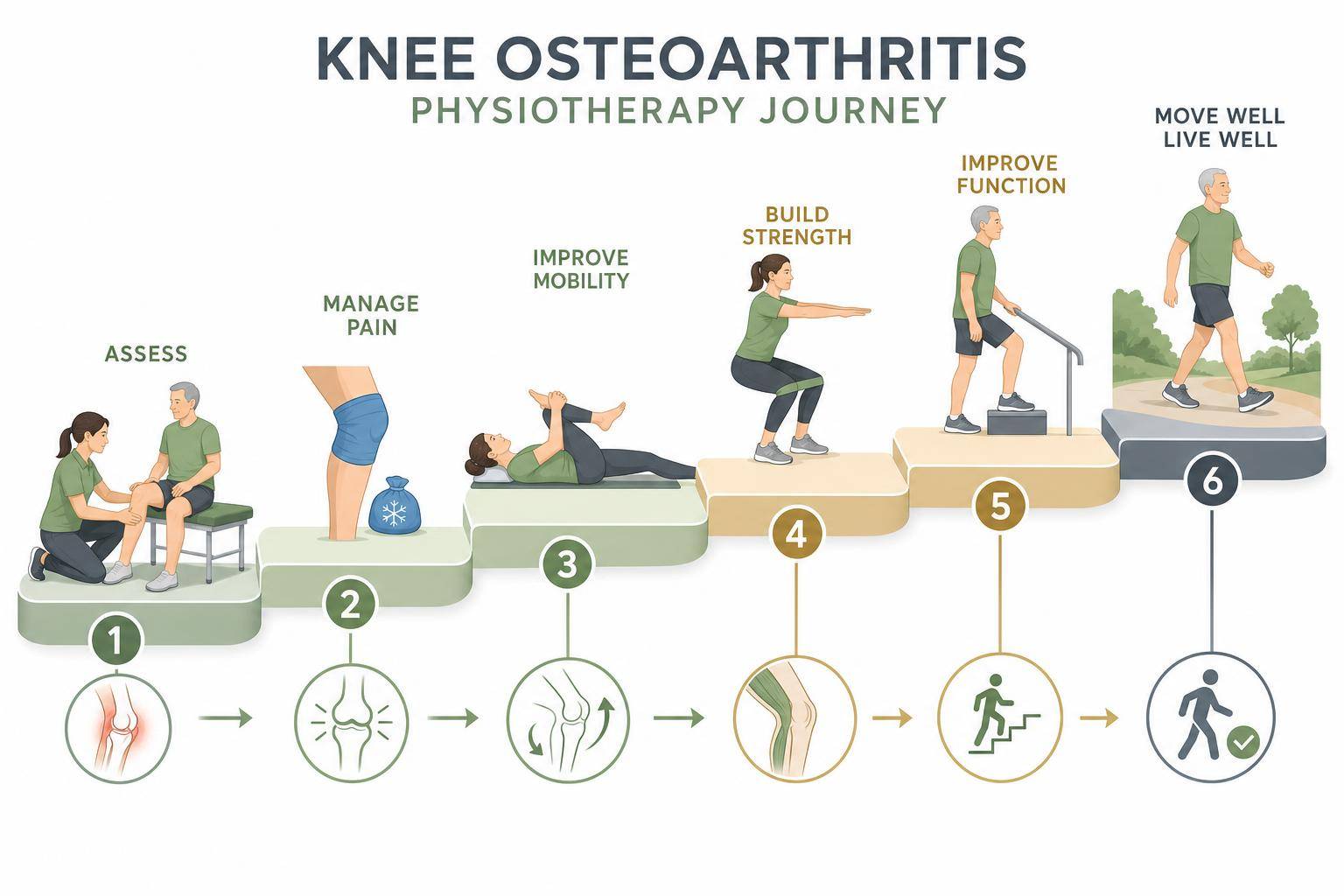
Understanding how to navigate your recovery is just as important as knowing which exercises to perform. Knee osteoarthritis physiotherapy relies on continuous monitoring and adjustment. Exercise should be carefully modified if you experience a significant increase in pain or discomfort beyond the expected transient symptoms of starting a new routine. If you notice worsening swelling, inflammation, or a flare in your joint, this is a clear signal that the current load exceeds your joint's current capacity.
Exact thresholds for what constitutes too much pain can vary across different patient guidance documents. Authoritative sources emphasize the importance of monitoring your response over time and reducing the exercise dose if pain or swelling worsens, rather than relying on one universal cutoff point. Progression should always be based on how your body responds to the current level of activity. If your baseline assessment revealed low capacity or significant comorbidities, your physiotherapist will ensure a lower starting dose and a slower rate of progression to keep the joint calm while gradually building resilience.
At Physio Cure Dubai, care is strictly assessment-led, focusing on function and guided by your specific personal goals. For example, Dr. Mina Gamil, our Medical Director, emphasizes the importance of orthopedic rehabilitation that responds to the individual patient. Depending on the clinical findings during your baseline assessment, your comprehensive plan may also incorporate elements of orthopedic physiotherapy or chronic pain management to ensure a well-rounded approach to your symptoms. In some cases, manual therapy may be utilized as a supportive part of an assessment-led care plan, always working alongside the core exercise components to help manage stiffness and support movement.
Staying active day to day

Maintaining an active lifestyle is a vital part of long-term joint management. The detailed checks performed during your initial evaluation provide a roadmap for safe daily movement. By understanding your specific aggravating and alleviating factors, you can make informed choices about how to modify your activities without avoiding movement entirely. Patient education and self-management are key pillars of the evidence-backed approach. Your physiotherapist will help you understand the difference between expected muscle soreness from exercise and the significant pain increase that signals a need for rest or modification.
Ultimately, a successful management strategy relies on individualization and adherence. By starting from a suitable baseline, respecting your body's response, and gradually progressing your structured land-based exercise, you can work toward improving your daily function and overall quality of life. The goal of the comprehensive assessment is not to limit your activity, but to find the safest, most effective entry point for you to remain active, build strength, and manage your joint health with confidence.
Related care at Physio Cure Dubai
Doctor-led services for what you have just read about.
Frequently Asked Questions
What does a physiotherapist assess before knee osteoarthritis exercises?
A physiotherapist starts with a baseline assessment of your symptoms, medical history, daily function, joint movement, strength, swelling, and safety factors. They also ask about your goals, activity levels, and what tends to aggravate or ease your knee discomfort. This helps them choose an appropriate starting point rather than giving every patient the same exercises.
Why is my symptom history important before starting knee osteoarthritis exercises?
Your symptom history shows how your knee behaves across the day and during specific activities. Pain location, stiffness duration, swelling, previous treatment response, and flare patterns all guide exercise selection and dosage. This helps reduce the chance of starting with movements that are too demanding for your current joint capacity.
How does a physiotherapist check how knee osteoarthritis affects daily movement?
Your physiotherapist may observe walking, stair use, sit-to-stand movement, and other tasks that matter to your routine. These checks show how your knee handles load and whether you are compensating through the hip, ankle, or opposite leg. The results help connect your exercise plan to practical goals, such as easier walking or more confident stair use.
What physical tests may be done before knee osteoarthritis exercises?
The physical exam may include checking knee range of motion, quadriceps and hip strength, swelling, joint irritability, gait, and lower limb alignment. Functional tests may also be used to understand control, balance, and movement quality. These findings help your physiotherapist decide whether to begin with strengthening, aerobic activity, balance work, flexibility, or a gentler option.
What red flags should be checked before exercising with knee osteoarthritis?
A physiotherapist screens for signs that may need medical review, such as a sudden joint flare, worsening swelling, unusual symptoms, or pain that significantly increases and does not settle. They also consider other health conditions that may affect safe exercise dosing. If red flags are present, the plan should be modified and medical input may be recommended.
Which exercises are commonly used for knee osteoarthritis?
Guidelines commonly support structured land-based exercise, including lower limb strengthening and aerobic activity such as walking or cycling when appropriate. Strengthening often focuses on the quadriceps and hip muscles because they help support knee control during daily movement. Some people may also benefit from balance training, flexibility work, aquatic exercise, Tai Chi, or yoga, depending on their assessment.
How can I tell if knee osteoarthritis exercises are too much?
Mild, short-lived muscle soreness can be expected when starting a new routine, but worsening swelling, increased inflammation, or a flare that persists is a sign to reduce the load. Many patients find it helpful to monitor how the knee feels during the 24 hours after activity. If symptoms keep increasing, your physiotherapist can adjust the dose, pace, or exercise type.
What can I do at home to support safer knee osteoarthritis exercise?
Follow the exercise dose given by your physiotherapist and avoid pushing through a clear flare or increasing swelling. Keep notes on pain patterns, stiffness, walking tolerance, and which activities feel easier or harder. This information helps guide safe progression and supports better self-management between appointments.
Related Articles
Shockwave Therapy: What Happens Before, During and After?
Learn what happens during a shockwave therapy session, from assessment and gel application to tapping sensations, aftercare, and when to seek advice.
5 min read

Physiotherapy and Insurance in Dubai: 7 Things to Know About Reimbursement, Referrals, and Documentation
Learn how physiotherapy insurance reimbursement works in dubai, including referrals, pre-authorization, documents, limits, and claim steps for patients.
8 min read

Poor Posture & Chronic Pain: Causes, Fixes, Relief
Discover how poor posture triggers muscle imbalance, disc pressure, and nerve pain—plus physiotherapy solutions, ergonomic fixes, and exercises for relief.
17 min read