Soft Tissue Mobilization: Lasting Pain Relief & Mobility
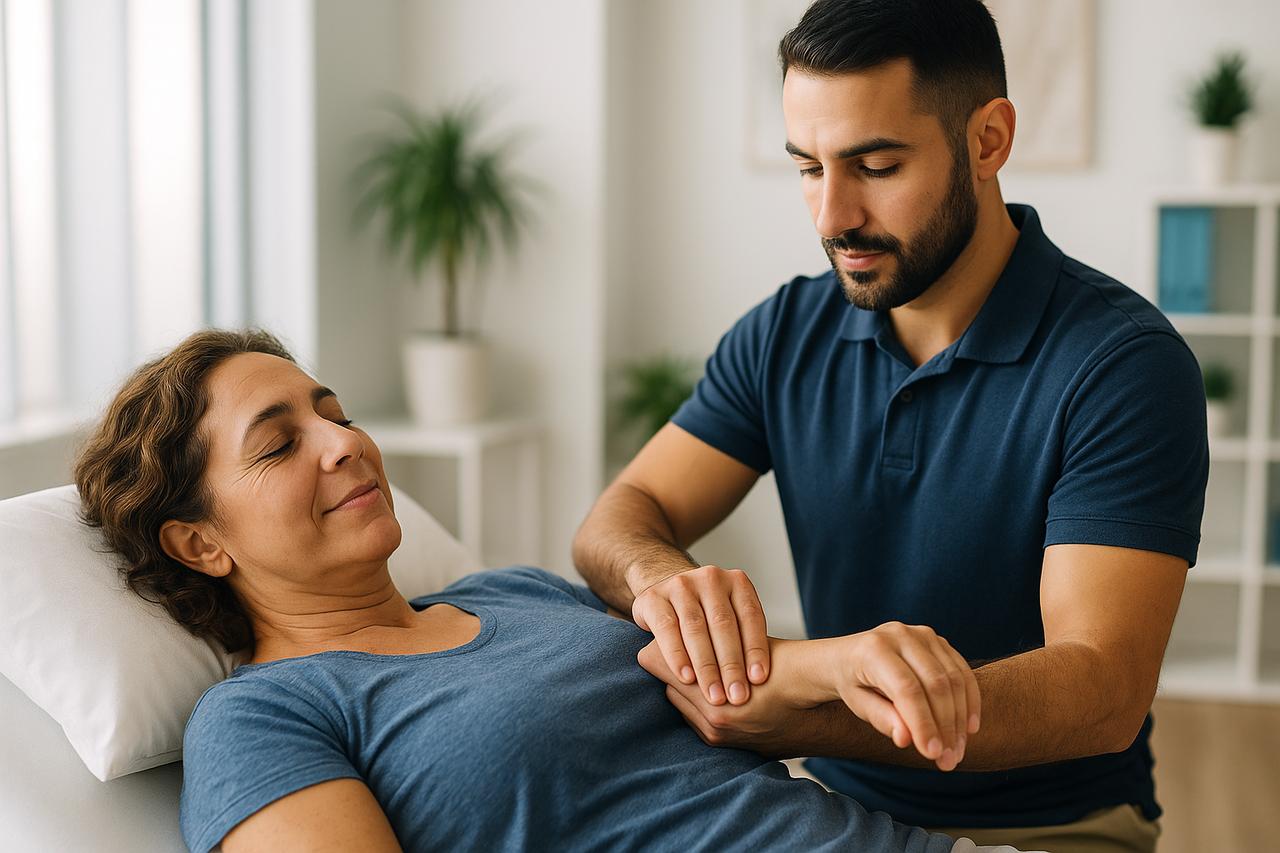
Unlocking Your Body's Potential: A Clinical Guide to Soft Tissue Mobilization
If you've ever dealt with persistent muscle tightness, chronic pain, or limited movement that just won't go away, you've likely felt the frustration of solutions that only scratch the surface. Many treatments focus on symptoms, offering temporary relief but failing to address the underlying problem. This is where a more targeted, hands-on approach becomes essential. For those seeking lasting recovery, understanding what is soft tissue mobilization is the first step toward reclaiming your body's full potential. It’s a sophisticated, evidence-based pillar of modern physiotherapy designed to diagnose and treat the root cause of musculoskeletal issues directly at the source: your body's soft tissues.
Defining the Technique: So, What is Soft Tissue Mobilization?
At its core, Soft Tissue Mobilization (STM) is a specialized form of manual therapy performed by highly trained clinicians, like the doctors of physical therapy at Physio Cure Dubai. It involves using skilled, hands-on techniques to assess and treat abnormalities in the body's soft tissues. But what exactly are these "soft tissues"? They are the crucial components of your musculoskeletal system that aren't bone: muscles, tendons (which connect muscle to bone), ligaments (which connect bone to bone), fascia (the web-like connective tissue that surrounds everything), nerves, and skin.
When you experience an injury, overuse, or even prolonged poor posture, these tissues can develop restrictions. This can manifest as painful adhesions (scar tissue), trigger points (muscle knots), or fascial tension. These restrictions limit your range of motion, cause pain, weaken muscles, and disrupt normal movement patterns. Soft Tissue Mobilization directly targets these issues. It's not a generalized massage; it is a precise, diagnostic, and therapeutic intervention. For a more detailed overview, you can explore this authoritative guide on understanding soft tissue mobilization.
The primary goals of STM are to:
- Break Down Adhesions and Scar Tissue: To restore normal tissue texture and mobility.
- Reduce Muscle Tension and Spasms: To alleviate pain and improve muscle function.
- Improve Circulation: To enhance the delivery of oxygen and nutrients, promoting faster healing.
- Restore Normal Range of Motion: By releasing restrictions that are physically blocking movement.
- Decrease Pain: By stimulating nerve endings that can help modulate pain signals to the brain.
At Physio Cure Dubai, STM is never applied in isolation. It’s part of a comprehensive, doctor-led approach. An initial assessment is crucial to identify the root cause of your symptoms, ensuring that the techniques used are perfectly matched to your specific condition, needs, and recovery goals.
A Deeper Look: Common Soft Tissue Mobilization Techniques
The term "soft tissue mobilization" encompasses a wide array of specific techniques. A skilled therapist will select and combine these methods based on their in-depth assessment of your condition. This is a key part of the 100% personalized care philosophy at our clinic. Here are some of the evidence-based techniques you might encounter:
- Myofascial Release: This technique focuses on the fascia, the thin but tough connective tissue that envelops your muscles and organs. When fascia becomes tight and restricted, it can exert immense pressure on the structures underneath. Myofascial release involves applying gentle, sustained pressure to these fascial restrictions to allow them to elongate and release.
- Trigger Point Therapy & Dry Needling: Trigger points are hyper-irritable spots within a taut band of skeletal muscle—commonly known as muscle knots. They can cause localized pain and also "refer" pain to other areas of the body. Therapists can use direct pressure (ischemic compression) to release them. At Physio Cure, we also utilize advanced modalities like Dry Needling, where a fine filiform needle is inserted into the trigger point to elicit a twitch response, effectively "rebooting" the muscle and releasing tension.
- Cross-Friction Massage: This is a very specific, deep massage technique applied perpendicular to the direction of the muscle, tendon, or ligament fibers. It is particularly effective for breaking down scar tissue (adhesions) and realigning the tissue fibers in a more functional way, which is crucial for healing chronic tendon injuries.
- Cupping Therapy: An ancient technique modernized for physiotherapy, cupping uses suction to lift the soft tissues. This negative pressure helps decompress the underlying area, increase blood flow, and release fascial restrictions. It’s an excellent complement to other hands-on techniques for stubborn areas of tightness.
- Instrument-Assisted Soft Tissue Mobilization (IASTM): This approach uses specially designed ergonomic tools to detect and treat fascial restrictions and scar tissue. The instruments allow therapists to apply precise, deep pressure that can be difficult to achieve with hands alone, effectively breaking down adhesions and stimulating healing.
Effective joint and soft-tissue therapy is more than just a technique; it's a diagnostic conversation between the therapist's hands and the patient's body, revealing the true source of dysfunction.
The Power of Touch: The Central Role of Hands-On Physiotherapy
In an age of advanced technology, the value of a skilled practitioner's touch cannot be overstated. Hands-on physiotherapy is the cornerstone of the treatment philosophy at Physio Cure Dubai. Our doctor-led model ensures that your assessment and treatment are performed by a Doctor of Physical Therapy, not a technician. This distinction is critical.
Through skilled palpation (the process of using hands to examine the body), our therapists like Dr. Mina Gamil and Dr. Shaimaa Hamdalla can feel things that an MRI or X-ray cannot show. They can detect subtle changes in tissue texture, identify areas of increased tension or swelling, and assess the quality of movement in a joint with a level of nuance that machines cannot replicate. This hands-on assessment allows for a precise, root-cause diagnosis that guides the entire treatment plan. To learn more about our expert team and their approach, you can visit our about us page.
This diagnostic touch then transitions seamlessly into treatment. The therapist's hands become the primary tool for delivering soft tissue mobilization, constantly adapting the pressure, direction, and technique based on how the tissue responds in real-time. This dynamic feedback loop is what makes manual therapy so effective and personalized.
Unlocking Relief: The Proven Manual Therapy Benefits
The application of expert soft tissue mobilization techniques yields a wide range of tangible benefits that go far beyond temporary relief. By addressing the structural and functional limitations within the soft tissues, patients can experience profound and lasting improvements in their quality of life.
Significant Pain Reduction and Management
One of the most immediate benefits is pain relief. STM works by several mechanisms to achieve this. It helps to decrease muscle tension and spasms, which are often a primary source of pain. Furthermore, the pressure and movement can stimulate mechanoreceptors in the skin and underlying tissues, which can help to "gate" or block pain signals from reaching the brain. For chronic conditions like lower back pain, this is a game-changer. Our dedicated back pain treatment programs heavily incorporate manual therapy to address the specific muscular and fascial dysfunctions involved.
Improved Range of Motion and Flexibility
Stiffness and a feeling of being "locked up" are common complaints. These sensations are often caused by adhesions and tight fascia that physically restrict movement. Soft tissue mobilization works like a targeted release, systematically breaking down these restrictions. As the tissues regain their natural pliability and length, joints are free to move through their full, intended range of motion without pain or limitation.
True recovery isn't just about feeling better; it's about moving better. Soft tissue mobilization is a key that unlocks restricted movement, paving the way for lasting strength and function.
Enhanced Recovery and Performance for Athletes
For athletes, soft tissue health is paramount for both performance and injury prevention. STM is a critical component of any comprehensive sports injury rehabilitation program. It helps to manage inflammation, reduce the buildup of scar tissue after an injury, and restore optimal muscle function. Proactively, regular STM can keep tissues healthy and pliable, reducing the risk of strains and sprains and helping athletes recover more quickly between training sessions.
Improved Circulation and Accelerated Healing
The physical manipulation of soft tissues increases local blood flow. This is vital for healing, as blood carries the oxygen and nutrients necessary for tissue repair and removes metabolic waste products that can accumulate in injured or tense areas. This enhanced circulation creates an optimal environment for the body's natural healing processes to take place more efficiently.
Is Soft Tissue Mobilization Right for You?
While incredibly beneficial, STM is not a one-size-fits-all solution. Its application is best determined after a thorough assessment by a qualified physiotherapist. At Physio Cure Dubai, we highly recommend this approach for individuals experiencing:
- Chronic Musculoskeletal Pain: Including lower back pain, neck pain, and shoulder impingement.
- Sports Injuries: Such as muscle strains, ligament sprains, and tendinopathies (e.g., tennis elbow, Achilles tendinitis).
- Postural Dysfunctions: Conditions exacerbated by prolonged sitting or repetitive motions, expertly treated by specialists like Dr. Shaimaa Hamdalla.
- Post-Surgical Recovery: To manage and remodel scar tissue, preventing long-term movement restrictions.
- Limited Mobility and Stiffness: In joints like the hips, shoulders, and thoracic spine.
- Repetitive Strain Injuries: Including carpal tunnel syndrome and plantar fasciitis.
- Tension Headaches: Often originating from trigger points and tension in the neck and upper back muscles.
It is particularly suited for patients seeking to understand and treat the root cause of their problem and who are ready to take an active role in their recovery. The philosophy at Physio Cure is one of collaboration; our hands-on therapy is paired with patient education and guided exercises to empower you to maintain your results and prevent future injury.
Ready to move beyond temporary relief and address the root cause of your pain? Discover the power of expert hands-on physiotherapy. Learn more about our Doctor-Led Manual Therapy services at Physio Cure Dubai and book your initial assessment today.
Related care at Physio Cure Dubai
Doctor-led services for what you have just read about.
Frequently Asked Questions
What is soft tissue mobilization?
Soft tissue mobilization (STM) is a specialized form of hands-on manual therapy performed by trained physiotherapists. It involves using skilled techniques to assess and treat abnormalities in the body's soft tissues, which include muscles, tendons, ligaments, and fascia, to reduce pain, break down scar tissue, and restore normal movement.
How is soft tissue mobilization different from a regular massage?
While both involve hands-on techniques, soft tissue mobilization is a precise, diagnostic, and therapeutic intervention performed by a licensed clinician to treat the root cause of a specific musculoskeletal issue. A regular massage is typically more generalized, focusing on overall relaxation and reducing general muscle tension rather than correcting specific tissue restrictions.
What are the main benefits of manual therapy and soft tissue mobilization?
The primary benefits include significant pain reduction, improved range of motion and flexibility, accelerated healing due to enhanced circulation, and improved recovery and performance for athletes by addressing adhesions and restoring normal tissue function.
Does Physio Cure Dubai accept insurance?
No, Physio Cure Dubai does not offer direct billing with insurance companies. It operates on a 'pay upfront' basis where patients pay for services in full. The clinic then provides all necessary invoices and medical documentation for the patient to submit a claim to their insurer for reimbursement.
What conditions can be treated with soft tissue mobilization?
Soft tissue mobilization is effective for a wide range of conditions, including chronic back and neck pain, sports injuries like muscle strains and tendinopathies, postural dysfunctions, post-surgical scar tissue, limited joint mobility, repetitive strain injuries, and tension headaches.
Who performs the treatments at Physio Cure Dubai?
All assessments, diagnoses, and treatments at Physio Cure Dubai are performed by licensed doctors holding advanced degrees, such as a Doctor of Physical Therapy (DPT). The team includes specialists like Dr. Mina Gamil, Dr. Shaimaa Hamdalla, and Dr. Talaat Abdelhakeem, ensuring all care is doctor-led.
What types of hands-on techniques are used at Physio Cure Dubai?
Physio Cure Dubai uses a variety of evidence-based soft tissue mobilization techniques as part of its personalized treatment plans. These include Myofascial Release, Trigger Point Therapy, Dry Needling, Cross-Friction Massage, Cupping Therapy, and Instrument-Assisted Soft Tissue Mobilization (IASTM).
What is Physio Cure Dubai's approach to treatment?
The clinic's approach is based on four core principles: all treatments are doctor-led, care is 100% personalized to the patient, the focus is on diagnosing and treating the root cause rather than just symptoms, and it combines a holistic view with evidence-based practices.
Are there any payment plans or discounts available at Physio Cure Dubai?
Yes, the clinic offers options to make payments more accessible. They accept Tabby, which allows the cost of treatment to be spread over several months in installments. They also offer a 25% discount for Fazaa members and have special offers for Alsaada members.
Where is Physio Cure Dubai located and what are its operating hours?
Physio Cure Dubai is located at Office 1510, SIT Tower, Dubai Silicon Oasis, Dubai, UAE. The clinic is open from 9:00 AM to 8:00 PM from Friday to Wednesday and is closed on Thursdays.
Related Articles
Endometriosis Pain Relief with Doctor-Led Physiotherapy
Endometriosis pain doesn't have to rule your life. Physiotherapy targets root causes, releases pelvic tension, and restores comfort. Book a consult today.
15 min read
Joint Manipulation Benefits: Lasting Pain Relief & Mobility
Discover how joint manipulation targets pain at its source, boosts mobility, and speeds recovery. Explore doctor-led physiotherapy for lasting relief.
12 min read
9 Questions to Ask Before Choosing a Physiotherapy Clinic in Dubai
Nine practical questions to ask before choosing a physiotherapy clinic in Dubai, covering consent, shared decisions, roles, risks, and support.
7 min read