ACL Injury Recovery: A Comprehensive, Expert Physio Perspective
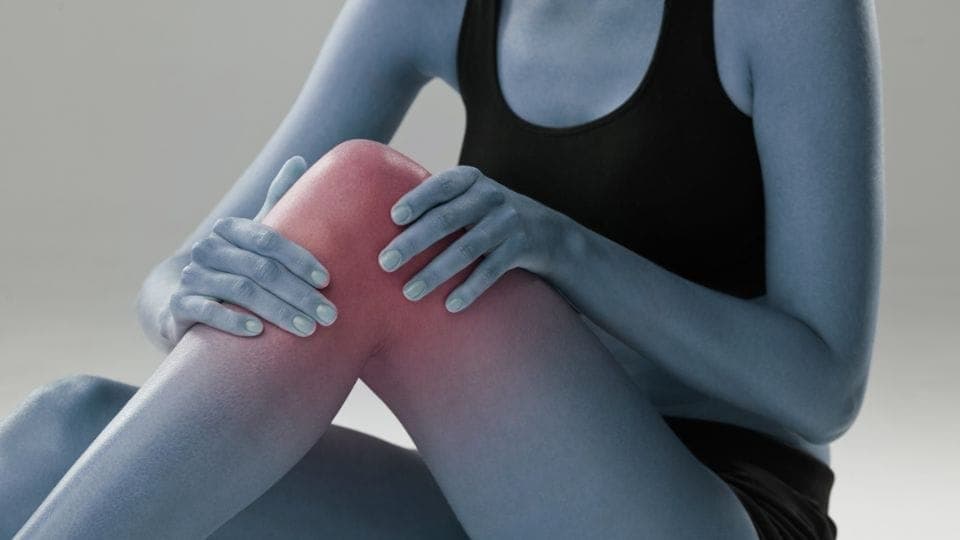
Key Takeaways
- What is ACL Recovery?
A structured path from injury to regain knee stability. - Role of Physiotherapy:
Essential whether surgery is performed or conservative care is chosen. - Rehabilitation Phases:
Step-by-step recovery including acute, subacute, and advanced stages. - Surgical vs. Non-Surgical:
Understanding which approach suits your activity level and injury severity. - Innovative Advances:
New tech and biologics are shaping recovery outcomes. - Individualized Care:
Tailored plans via sports injury rehabilitation boost recovery success.
Understanding ACL Injuries and Their Impact on Knee Stability
Why do we even fret about a torn ligament in the first place? How can something as small as the ACL affect your entire day? When the anterior cruciate ligament suffers an injury, it disrupts the balance and stability of the knee in ways that may seem quite perplexing at first glance. The ACL, a key stabilizer, works against forward movement of the tibia and keeps rotational forces in check. Isn’t it strange how one ligament holds so much sway over our mobility?
What causes the ACL to tear? Could it be a sudden pivot or an unexpected landing? The truth is, most injuries occur during abrupt deceleration or twisting movements. You might wonder, “Do I really need surgery?” Sometimes the answer lies in understanding that even partial tears can lead to long-term instability if not treated properly. Physiotherapists often advise a proper clinical evaluation to determine whether conservative management will suffice or if surgical reconstruction is needed.
Ever wondered how your body reacts to such trauma? Pain, swelling, and a popping sound are common initial responses, leading to immediate concerns about knee functionality. Questions arise—can the knee heal on its own? The answer is generally no, especially if the tear is complete, due to the ligament's poor blood supply. The clinical takeaway is simple: early assessment is key. What do you do next? Consult with a specialist and begin the recommended RICE (rest, ice, compression, elevation) protocol to ease the symptoms and avoid further injury.
Isn’t it peculiar how something so tiny has such a big impact on your entire movement? Each query about the injury leads to another, yet the underlying message remains: understand your injury to regain your stability. This is where comprehensive evaluation and early intervention become essential for successful recovery.
The Role of Physiotherapy in ACL Injury Recovery
How does a few guided exercises turn uncertainty into confidence? Can a steady hand ease the pain of an ACL injury? Physiotherapy plays a central role in the recovery journey, offering both practical support and reassurance to those navigating this challenging process. Imagine you are curious about how manual techniques ease discomfort—physiotherapists use targeted exercises to restore range of motion and build strength, making every session a step closer to recovery.
What exactly does a physiotherapist do in these cases? The answer is multifaceted: they assess, diagnose, and then tailor a treatment plan specific to your needs. Questions like “How can my knee be made stronger?” are met with simple, clear answers through hands-on techniques and guided exercises. Techniques such as manual therapy help alleviate stiffness while strengthening surrounding muscles protects the joint against further strain. It might sound odd, but each squeeze, stretch, and mobilization is carefully designed to encourage healing without overwhelming the tissue.
Can the healing process be accelerated? In many instances, yes—if you commit to regular sessions and follow your home exercise program. Sometimes, even minor improvements prompt a series of questions that lead to big answers about your recovery. For instance, why does pain reduce gradually? This is because consistent physiotherapy not only reduces inflammation but also improves circulation and muscle tone.
What about the role of technology? Modern clinics incorporate real-time feedback, and some even blend digital platforms into treatment. Alongside trusted techniques like manual therapy and post-surgery physiotherapy, these innovations help ensure that each step is measurable and adjusted to your progress. Could it be that every session plants the seed of renewed mobility? Absolutely, and that is the essence of a thoughtful physiotherapy approach.
Non-Surgical Management and Step-by-Step Rehabilitation for ACL Injuries
What if surgery isn’t your only option—could a focused rehab plan be enough? Do non-surgical methods really work for everyone? The recovery process for an ACL injury without surgery is built on a step-by-step rehabilitation model that many patients find both effective and reassuring.
Begin with the acute phase, where the primary goal is to control swelling and pain. You might ask, “How do I reduce the swelling?” A consistent RICE protocol and gentle isometric exercises are your best allies. In the acute phase, the body is in a sensitive state, and each measure, no matter how small, contributes to a smoother recovery.
What should you do next? Keep asking questions, seek advice from professionals, and never hesitate to reach out for help. Explore additional resources like manual therapy to complement your recovery program. Every query, from pain management to exercise progression, deserves a clear answer, and that answer is found in consistent, expert-driven care.
Remember, recovery is a gradual process that blends science with personal dedication. Each step you take is an answer to the challenges posed by your injury. Embrace the journey with realistic expectations and a willingness to adapt. In the end, your path to recovery is uniquely your own, built on a foundation of expert advice and persistent effort.
Frequently Asked Questions
Recovery timelines vary, generally ranging from 9 to 18 months depending on the injury’s severity and treatment approach.
Not always; some partial tears can be managed conservatively with physiotherapy, though complete tears often require surgery.
The phases include the acute phase (edema control), subacute phase (dynamic stabilization), and advanced phase (sport-specific movements).
Extremely important—it helps restore range of motion, strengthen muscles, and ensure a safe return to activity.
Yes, emerging technologies are personalizing and optimizing rehabilitation, offering data-driven insights for safer recovery.
Related care at Physio Cure Dubai
Doctor-led physiotherapy under the medical direction of Dr. Mina Gamil. If anything in this article sounds like you, two of our programs are most relevant:
- Specialty hub: Sports Injury Rehabilitation
- Treatment program: ACL Rehabilitation
Related care at Physio Cure Dubai
Doctor-led services for what you have just read about.
Related Articles

Understanding Lower Back Pain: Causes and Key Questions
Lower back pain causes (disc, posture, sciatica, sacroiliac joint) plus the key questions a doctor of physiotherapy asks to find what is actually driving yours.
29 min read
Lymphatic Drainage and Its Benefits During Ramadan
Lymphatic drainage during Ramadan: how gentle, doctor-led drainage helps fasting bodies recover from swelling, fatigue, and post-iftar bloating in Dubai.
22 min read
Shoulder Impingement vs Rotator Cuff Problems: Symptoms, Overlap and When Weakness Needs Assessment
Learn why impingement and rotator cuff symptoms overlap, what an assessment may check, and when new weakness after an injury needs prompt care.
6 min read