Joint Mobilization Techniques for Pain Relief & Mobility
Unlock Your Body's Potential: A Deep Dive into Joint Mobilization Techniques
Feeling trapped by stiff, painful joints? Whether it's a shoulder that won't reach, a knee that protests with every step, or a back that aches after a day of work, restricted movement can significantly impact your quality of life. Many people resign themselves to this discomfort, believing it's an unavoidable part of aging or injury. However, a powerful, hands-on solution exists. Advanced joint mobilization techniques, a cornerstone of modern physiotherapy, offer a targeted approach to restore motion, alleviate pain, and get you back to doing what you love. This is not a temporary fix; it's a sophisticated method for addressing the root cause of joint dysfunction.
What Exactly is Joint Mobilization?
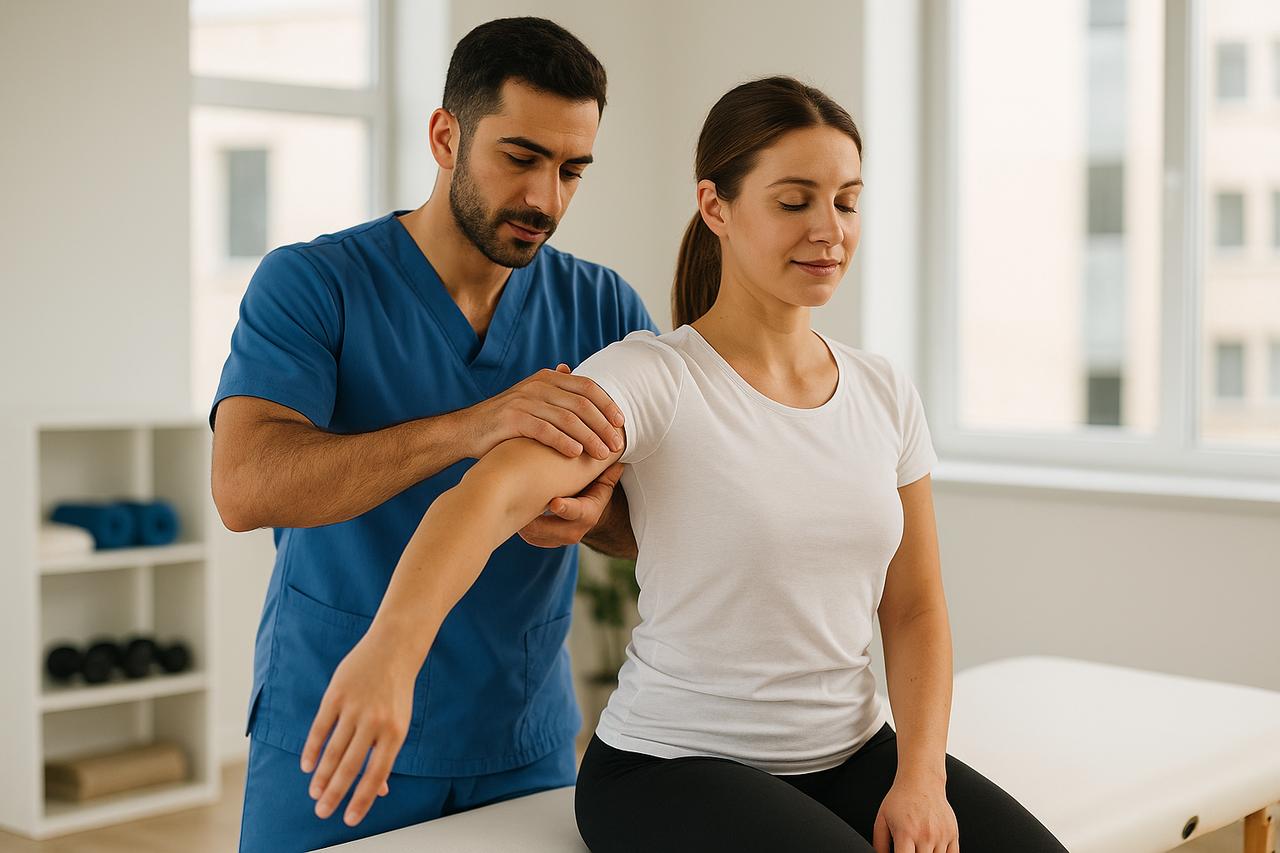
At its core, joint mobilization is a form of manual therapy where a trained physiotherapist uses their hands to perform skilled, passive movements on a specific joint. Unlike a general massage that focuses on muscles, or aggressive manipulations, joint mobilization involves precise, controlled glides, slides, and tractions. The goal is to restore the small, involuntary movements—known as arthrokinematics—that occur between joint surfaces. These subtle motions are essential for full, pain-free active movement. When a joint becomes stiff due to injury, surgery, or conditions like arthritis, these accessory movements are often the first to be lost, leading to the pain and restricted range of motion you experience.
This evidence-based approach is a fundamental component of effective, hands-on physiotherapy. It requires a deep understanding of anatomy, biomechanics, and pathology. A licensed therapist assesses the joint's movement, identifies the specific restriction, and applies a precise technique to correct it. This doctor-led treatment philosophy ensures that the intervention is not just treating a symptom but addressing the underlying mechanical fault, paving the way for lasting relief and restored function. For more technical details, you can explore the principles of Joint mobilization as a therapeutic procedure.
Effective joint mobilization goes beyond treating symptoms; it targets the underlying mechanical issue for long-term relief. It's about restoring the fundamental way your joints are designed to move.
Exploring Different Joint Mobilization Techniques and Methods
Physiotherapists have a range of specialized joint mobilization techniques techniques at their disposal. The choice of technique depends entirely on the patient's specific condition, pain level, and treatment goals. One of the most widely used systems for classifying and applying these techniques is the Maitland Grading System. This system categorizes movements based on their amplitude (the distance of the movement) and where they are performed within the available range of motion.
Understanding these grades can help you appreciate the precision involved:
- Grade I: Small amplitude, rhythmic oscillations performed at the very beginning of the joint's range. This gentle technique is primarily used to manage pain and reduce muscle guarding, not to increase range.
- Grade II: Larger amplitude, rhythmic oscillations performed within the available range but not reaching the limit. Like Grade I, this is excellent for pain reduction and is often used in the early stages of recovery.
- Grade III: Large amplitude oscillations performed up to the limit of the available range. This grade is used to gently stretch the joint capsule and surrounding tissues to begin improving mobility.
- Grade IV: Small amplitude oscillations performed right at the end of the available range. This is a more assertive technique used to break down adhesions and stiffness to make significant gains in range of motion.
- Grade V: This is a high-velocity, low-amplitude thrust (manipulation) performed at the end of the range. It's used to break a stubborn adhesion and is performed by specially trained therapists when appropriate.
Beyond the Maitland grades, therapists also use other methods of joint and soft-tissue therapy, such as sustained stretches, traction to decompress joint surfaces, and Mobilization with Movement (MWM), where the therapist applies a glide while the patient actively moves the joint. This integrated approach ensures every treatment is 100% personalized to the individual's needs.
The Tangible Manual Therapy Benefits for Your Recovery
Why choose a treatment plan that includes joint mobilization? The benefits are both immediate and long-lasting, directly addressing the factors that cause pain and limit function. For adults with musculoskeletal pain, post-op patients, and manual workers, these advantages are particularly transformative.
Significant Pain Reduction
Gentle, oscillatory movements (Grades I and II) can have a powerful effect on your nervous system. They stimulate mechanoreceptors in the joint capsule, which can help to "gate" or block pain signals from reaching the brain. This neurophysiological effect provides immediate relief and reduces protective muscle spasms, creating a window of opportunity for more effective exercise and movement.
Restored Range of Motion and Flexibility
This is the most well-known benefit. By applying specific forces to stretch a stiff joint capsule and break down minor scar tissue (adhesions), mobilization techniques (Grades III and IV) directly increase a joint's available range. For someone recovering from a rotator cuff repair or a total knee replacement, or even a manual worker with chronic back pain, regaining those few extra degrees of motion can mean the difference between struggling with daily tasks and living life fully.
Improved Joint Nutrition and Health
Joint cartilage has a poor blood supply and relies on the movement of synovial fluid for nutrition and waste removal. When a joint is stiff and immobile, this process is impaired, potentially leading to degenerative changes. The cyclical loading and unloading from mobilization techniques help to pump synovial fluid throughout the joint, promoting a healthier environment for the cartilage and aiding the healing process.
Your therapist creates mobility; your active participation through prescribed exercises is what maintains it. It's a partnership for lasting recovery.
Is Joint Mobilization Right for You?
Joint mobilization is a highly versatile treatment that can be adapted for a wide variety of conditions and patient populations. It is particularly effective for individuals experiencing joint-related pain and stiffness. You might be an ideal candidate if you suffer from:
- Chronic Musculoskeletal Pain: Conditions like chronic neck pain, low back pain from postural dysfunction, or thoracic stiffness are often caused by hypomobile (stiff) joint segments. Mobilization can target these specific segments to restore normal mechanics.
- Post-Operative Stiffness: After surgeries like ACL reconstruction, joint replacements, or rotator cuff repairs, mobilization is crucial for safely regaining range of motion and preventing the formation of excessive scar tissue.
- Degenerative Joint Conditions: For individuals with osteoarthritis, gentle mobilization can help manage pain, reduce stiffness, and maintain function, improving overall quality of life.
- Sports Injuries: Mobilization is a key part of a comprehensive sports injury rehabilitation program, helping athletes recover from sprains and strains by restoring optimal joint biomechanics.
- Women's Health Concerns: Postpartum recovery often involves addressing stiffness and pain in the sacroiliac joints and lumbar spine, for which mobilization can be highly effective.
- Pediatric Conditions: In certain cases, gentle mobilization techniques are adapted by specialists in pediatric physiotherapy to address congenital or post-traumatic joint restrictions in children.
The key is a thorough initial assessment by a qualified professional. A doctor-led physiotherapy approach ensures a correct diagnosis of the root cause of your issue, determining if joint restriction is the primary problem and if mobilization is the most appropriate and safest treatment for you. It is not a "quick fix" but a vital part of a comprehensive plan that empowers you to achieve your recovery goals.
Ready to move freely and leave pain behind? Discover how our expert, doctor-led joint mobilization techniques can restore your function and quality of life.
Related care at Physio Cure Dubai
Doctor-led physiotherapy under the medical direction of Dr. Mina Gamil. If anything in this article sounds like you, two of our programs are most relevant:
- Specialty hub: Orthopedic Physiotherapy
- Treatment program: Back Pain Treatment
Related care at Physio Cure Dubai
Doctor-led services for what you have just read about.
Frequently Asked Questions
What is joint mobilization in physiotherapy?
Joint mobilization is a hands-on manual therapy technique where a trained physiotherapist performs skilled, passive movements on a specific joint. Unlike a general massage, it involves precise glides, slides, and tractions to restore the small, involuntary movements between joint surfaces, which helps to alleviate pain and improve range of motion.
What are the main benefits of joint mobilization?
The key benefits include significant pain reduction through the stimulation of nerve receptors that block pain signals, restoration of range of motion and flexibility by stretching stiff joint capsules and breaking down minor scar tissue, and improved joint nutrition and health by circulating synovial fluid.
Is joint mobilization therapy painful?
It does not have to be. Therapists use a grading system to control the intensity. Lower grades (I and II) are very gentle rhythmic movements used specifically to manage pain and reduce muscle guarding. Higher grades (III and IV), used to increase mobility, are more assertive but are applied carefully within the patient's tolerance.
Who is a good candidate for joint mobilization?
It is effective for a wide range of individuals, including those with chronic musculoskeletal pain like neck or low back pain, post-operative stiffness after surgeries, degenerative conditions like osteoarthritis, sports injuries, and women with postpartum joint pain in the spine or pelvis.
Can I use my insurance directly at Physio Cure Dubai?
Physio Cure Dubai operates on a 'pay upfront' basis and does not offer direct billing to insurance companies. Patients are required to pay for their services in full and are then provided with all the necessary invoices and medical documentation to submit a claim to their insurer for reimbursement.
Who performs the treatments at Physio Cure Dubai?
According to the clinic's core philosophy, all assessment, diagnosis, and treatment are performed by licensed doctors holding advanced degrees, such as a Doctor of Physical Therapy (DPT). The clinic maintains a 'Doctor-Led' approach, ensuring that treatments are not performed by technicians.
Does Physio Cure Dubai have specialists for specific conditions like women's health or pediatrics?
Yes, the clinic has senior practitioners with specific specializations. Dr. Shaimaa Hamdalla specializes in Women's Health, Postpartum Recovery, and Chronic Pain Management. Dr. Talaat Abdelhakeem is renowned for his work in Pediatric Physiotherapy and Neuro-rehabilitation.
What are the operating hours for Physio Cure Dubai?
The clinic is open from 9:00 AM to 8:00 PM from Friday to Wednesday. The clinic is closed on Thursdays.
Are there any discounts or payment plans available at Physio Cure Dubai?
Yes. The clinic offers a 25% discount for Fazaa members and has offers for Alsaada members. For financial flexibility, it also accepts Tabby, which allows patients to spread the cost of their treatment over several monthly installments.
Where is Physio Cure Dubai located?
Physio Cure Dubai is located at Office 1510, SIT Tower, Dubai Silicon Oasis, Dubai, UAE.
Related Articles

Mind-Body Techniques Guide for Chronic Pain Relief
Discover science-backed breathing, mindfulness and gentle movement techniques that calm nerves, rewire pain pathways and relieve chronic pain for recovery.
12 min read
Evidence-Based Acupuncture for Chronic Pain Relief
Learn how evidence-based acupuncture targets chronic back, neck, migraine, and arthritis pain at its root, delivering lasting relief without heavy medication.
15 min read

9 Questions to Ask Before Choosing a Physiotherapy Clinic in Dubai
Nine practical questions to ask before choosing a physiotherapy clinic in Dubai, covering consent, shared decisions, roles, risks, and support.
7 min read