Doctor-Led Pelvic Floor Therapy for Urinary Incontinence
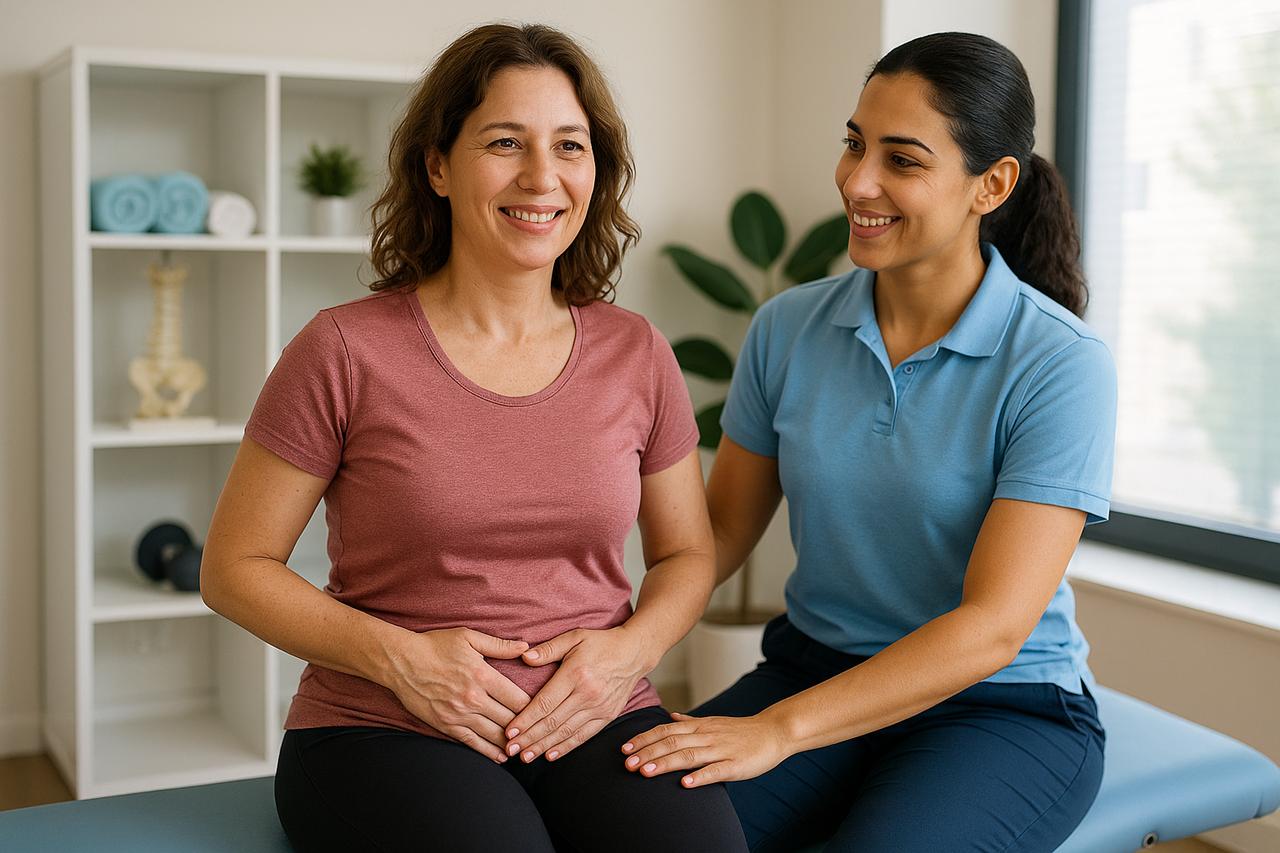
Reclaim Your Confidence: The Definitive Guide to Treatment for Urinary Incontinence
A sudden sneeze, a hearty laugh, a morning run—these simple moments shouldn't be sources of anxiety. Yet, for millions of women, particularly during pregnancy, postpartum, or menopause, the fear of an unexpected leak is a daily reality. Urinary incontinence (UI) is far more common than you may think, but it is not something you have to accept as your new normal. At Physio Cure Dubai, we believe in empowering women to regain control through compassionate, expert-led care. This guide explores the most effective, evidence-based treatment for urinary incontinence, focusing on personalized physiotherapy that addresses the root cause, not just the symptoms, for lasting relief and restored confidence.
Deconstructing Urinary Incontinence: Understanding What Your Body is Telling You
Before diving into solutions, it's crucial to understand what urinary incontinence is—and what it isn't. It is not a disease, but a symptom of an underlying issue with the muscles and nerves that help you hold and release urine. The two most common types experienced by women are:
- Stress Urinary Incontinence (SUI): This is the most prevalent type, especially after childbirth. It occurs when physical pressure—such as from coughing, sneezing, laughing, lifting, or exercising—is placed on the bladder, causing leakage. This is typically due to a weakened pelvic floor or urethral sphincter.
- Urge Urinary Incontinence (UUI): Often referred to as an "overactive bladder," this type is characterized by a sudden, intense urge to urinate, followed by an involuntary loss of urine. You may feel the need to urinate frequently, even throughout the night. This happens when bladder muscles contract inappropriately.
Many women experience a combination of both, known as Mixed Urinary Incontinence. Regardless of the type, the impact on quality of life can be significant, affecting everything from social confidence to physical activity. The most empowering truth, however, is that it is highly treatable. You do not have to resort to a lifetime of pads and careful planning; effective, non-surgical solutions are available.
The Gold Standard: Why Doctor-Led Pelvic Floor Therapy is Your Strongest First Step
For decades, the first-line recommendation for managing UI has been conservative, non-invasive physiotherapy. At Physio Cure Dubai, we elevate this standard by ensuring our approach is entirely doctor-led. Your assessment, diagnosis, and treatment are performed by highly qualified specialists holding Doctor of Physical Therapy degrees, like our Women's Health expert, Dr. Shaimaa Hamdalla. This is the cornerstone of effective pelvic floor therapy.
Why is this approach so critical? Because urinary incontinence is rarely an isolated issue. It's often linked to core weakness, postural dysfunctions, post-childbirth trauma, or hormonal changes. Our core philosophy is built on root-cause diagnosis—we don't just give you a sheet of Kegel exercises. We conduct a comprehensive assessment to understand the intricate mechanics of your body to identify precisely *why* the leakage is happening. This allows us to create a 100% personalized treatment plan that addresses the underlying problem for sustainable, long-term results.
Scientific evidence overwhelmingly supports this method. Pelvic Floor Muscle Training (PFMT) is recognized globally as a primary conservative approach for regaining bladder control. As documented in extensive research, including studies published by the National Center for Biotechnology Information, a structured and properly supervised PFMT program can significantly reduce or even eliminate symptoms of stress incontinence. Our commitment is to translate this evidence-based practice into a compassionate and effective patient journey.
It's not just about doing Kegels; it's about doing them *correctly*. Proper technique, guided by a specialist, is the key to effective results and lasting pelvic floor strength.
Building Your Personalized Recovery Blueprint
A successful treatment for urinary incontinence physiotherapy goes far beyond generic exercises. It's a structured, multi-faceted program designed around your unique body, lifestyle, and goals. At our clinic in Dubai Silicon Oasis, our Women’s Health specialists craft a recovery plan that integrates several key components.
Mastering Pelvic Floor Muscle Training (PFMT)
The pelvic floor is a group of muscles that form a supportive sling at the base of your pelvis. These muscles support your bladder, uterus, and bowel. When they are weak or uncoordinated, problems like incontinence arise. PFMT, or Kegels, involves consciously contracting and relaxing these muscles. However, up to 50% of women perform them incorrectly on their own, often engaging the wrong muscles (like abdominals or glutes), which can be ineffective or even counterproductive. Our doctors provide one-on-one guidance, using tactile feedback and clear instruction to ensure you are isolating and strengthening the correct muscles with precision.
Integrating Holistic Women’s Health Exercises
Your pelvic floor doesn't work in isolation. It's an integral part of your "inner core," which also includes your diaphragm (breathing muscle), deep abdominal muscles (transverse abdominis), and deep back muscles (multifidus). A truly effective treatment plan incorporates holistic women’s health exercises that focus on:
- Diaphragmatic Breathing: Learning to breathe correctly helps regulate intra-abdominal pressure, reducing the downward force on your bladder and pelvic floor.
- Core Stability Training: We guide you through exercises that safely strengthen your entire core canister, providing better support for your pelvic organs.
- Postural Correction: Poor posture can place unnecessary strain on your pelvic floor. We help you realign your body to create optimal function from the ground up. This is particularly crucial for patients also experiencing issues like back pain.
- Functional Movement Training: We help you integrate proper muscle engagement into everyday activities like lifting your child, carrying groceries, or returning to exercise.
The Power of Hands-On: Manual Therapy
As a clinic that prioritizes hands-on treatment, we utilize skilled manual therapy techniques. This may involve gentle internal or external manipulation to release tension in tight pelvic floor muscles (hypertonicity), improve muscle activation, and break down scar tissue from childbirth. This targeted approach can dramatically improve muscle function and reduce symptoms of both stress and urge incontinence.
Advanced Modalities & Safe Recovery Routines
To complement our manual therapy and exercise programs, we incorporate modern, evidence-based technologies to accelerate healing and ensure your recovery is smooth and effective. Our holistic approach means we look at the complete picture of your well-being. For some patients, chronic pelvic pain or muscular imbalances in surrounding areas contribute to their incontinence symptoms. In these cases, our doctors may integrate advanced modalities such as:
- Dry Needling: To release trigger points in pelvic, gluteal, or abdominal muscles that may be contributing to dysfunction.
- Biofeedback: A tool that uses sensors to give you real-time feedback on your pelvic floor muscle contractions, helping you improve your mind-body connection and exercise technique.
- Cupping Therapy: To improve blood flow and release fascial restrictions in related muscle groups like the lower back and hips.
The goal is to create comprehensive and safe recovery routines, especially for postpartum mothers eager to return to fitness. We provide clear guidelines on how to progressively re-introduce activities like running and weightlifting without compromising your pelvic health, empowering you to get back to the life you love without fear or limitation.
Your recovery journey is a partnership. With expert guidance and your active participation, you can regain control, rebuild confidence, and live life without limits.
Empowering You for Life: Education and Lifestyle Integration
At Physio Cure Dubai, treatment doesn't end when you leave our clinic. A core part of our six-stage patient journey is "Patient Education & Injury Prevention." We empower you with the knowledge to manage your symptoms and maintain your pelvic health for the long term. This includes practical, personalized advice on lifestyle factors that can have a significant impact:
- Fluid and Diet Management: We help you understand how to stay hydrated without overloading your bladder and identify potential bladder irritants in your diet (like caffeine, alcohol, or acidic foods) that may be worsening your symptoms.
- Bladder Training Techniques: For urge incontinence, we guide you through a structured program of timed voiding to gradually increase your bladder's capacity and reduce the frequency and urgency of urination.
- Proper Toileting Habits: Simple changes, like avoiding "just in case" bathroom trips and ensuring you are sitting correctly on the toilet to fully empty your bladder, can make a surprising difference.
This commitment to education aligns with our philosophy of active patient participation. We are not a clinic for "quick fixes"; we are a partner in your health. We provide the tools, expertise, and support, but your engagement in the process is what turns effective treatment into a lifelong solution.
Ready to reclaim your comfort and confidence? Our team of doctor-led women's health specialists is here to guide you. Book a consultation at Physio Cure Dubai today and start your journey towards a life free from leaks.
Related care at Physio Cure Dubai
Doctor-led physiotherapy under the medical direction of Dr. Mina Gamil. If anything in this article sounds like you, two of our programs are most relevant:
- Specialty hub: Women's Health Physiotherapy
- Treatment program: Pelvic Floor Physiotherapy
Related care at Physio Cure Dubai
Doctor-led services for what you have just read about.
Frequently Asked Questions
What are the main types of urinary incontinence in women?
The two most common types are Stress Urinary Incontinence (SUI), which is leakage caused by physical pressure like coughing or exercising due to a weakened pelvic floor, and Urge Urinary Incontinence (UUI), which is an "overactive bladder" characterized by a sudden, intense urge to urinate followed by involuntary leakage.
Can physiotherapy effectively treat urinary incontinence?
Yes, doctor-led physiotherapy is considered the gold standard, first-line treatment for urinary incontinence. Scientific evidence shows that a structured and supervised Pelvic Floor Muscle Training (PFMT) program can significantly reduce or even eliminate symptoms by addressing the root cause of the weakness.
Is it okay to do Kegel exercises on my own?
It is not recommended, as up to 50% of women perform them incorrectly when unguided. This can be ineffective or even counterproductive by engaging the wrong muscles. Proper technique guided by a specialist physiotherapist is crucial for effective results.
What does pelvic floor therapy involve besides Kegels?
Comprehensive pelvic floor therapy is a holistic program that includes more than just Kegels (PFMT). It also incorporates diaphragmatic breathing, core stability training, postural correction, hands-on manual therapy, and patient education on lifestyle factors like diet and bladder training techniques.
Who specializes in women's health and urinary incontinence at Physio Cure Dubai?
Dr. Shaimaa Hamdalla is the Senior Physiotherapist at Physio Cure Dubai who specializes in Women's Health. Her specializations include postpartum recovery, chronic pain management, and postural dysfunctions, and she leads the clinic's treatment for urinary incontinence.
What is Physio Cure Dubai's approach to treating urinary incontinence?
Physio Cure Dubai follows a doctor-led approach focused on identifying and treating the root cause of the problem. After a comprehensive assessment, they create a 100% personalized treatment plan that combines manual (hands-on) therapy, guided exercises, patient education, and advanced modalities.
Does Physio Cure Dubai accept direct billing from insurance?
No, Physio Cure Dubai does not have a direct billing system. It operates on a 'pay upfront' basis, where patients pay for services in full at the clinic. The clinic then provides all necessary invoices and medical documentation for patients to submit a claim to their insurance provider for reimbursement.
Where is Physio Cure Dubai located and what are its operating hours?
Physio Cure Dubai is located at Office 1510, SIT Tower, Dubai Silicon Oasis, Dubai. The clinic is open from 9:00 AM to 8:00 PM, Friday through Wednesday, and is closed on Thursdays.
What advanced treatments might be used for urinary incontinence at Physio Cure Dubai?
To complement manual therapy and exercise, the doctors at Physio Cure Dubai may use advanced modalities such as Dry Needling to release muscle trigger points, Biofeedback to improve muscle contraction awareness, and Cupping Therapy to improve blood flow and release restrictions in related muscle groups.
Are there any payment plans or discounts available at Physio Cure Dubai?
Yes, Physio Cure Dubai offers payment options to improve financial accessibility. The clinic accepts Tabby, allowing patients to split costs into monthly installments. It also provides a 25% discount for Fazaa members and offers for members of the Alsaada program.
Related Articles
Menopause Physiotherapy: Relieve Pain, Restore Strength
Doctor-led physiotherapy eases menopause pain and stiffness with hands-on therapy, tailored exercise, and pelvic floor care to boost strength and confidence.
13 min read
Physiotherapy During Pregnancy: Pain Relief & Birth Prep
Doctor-led prenatal physiotherapy eases pelvic pain, builds core and pelvic floor strength, and prepares you for smoother labor and faster postpartum recovery.
14 min read

What Should You Bring to Your First Physio Appointment?
Get ready for your first physio visit. Learn what to note, which medicine details to bring, what to wear, and how to plan your arrival.
5 min read