Strength & Mobility Exercises for Kids | Parent's Guide
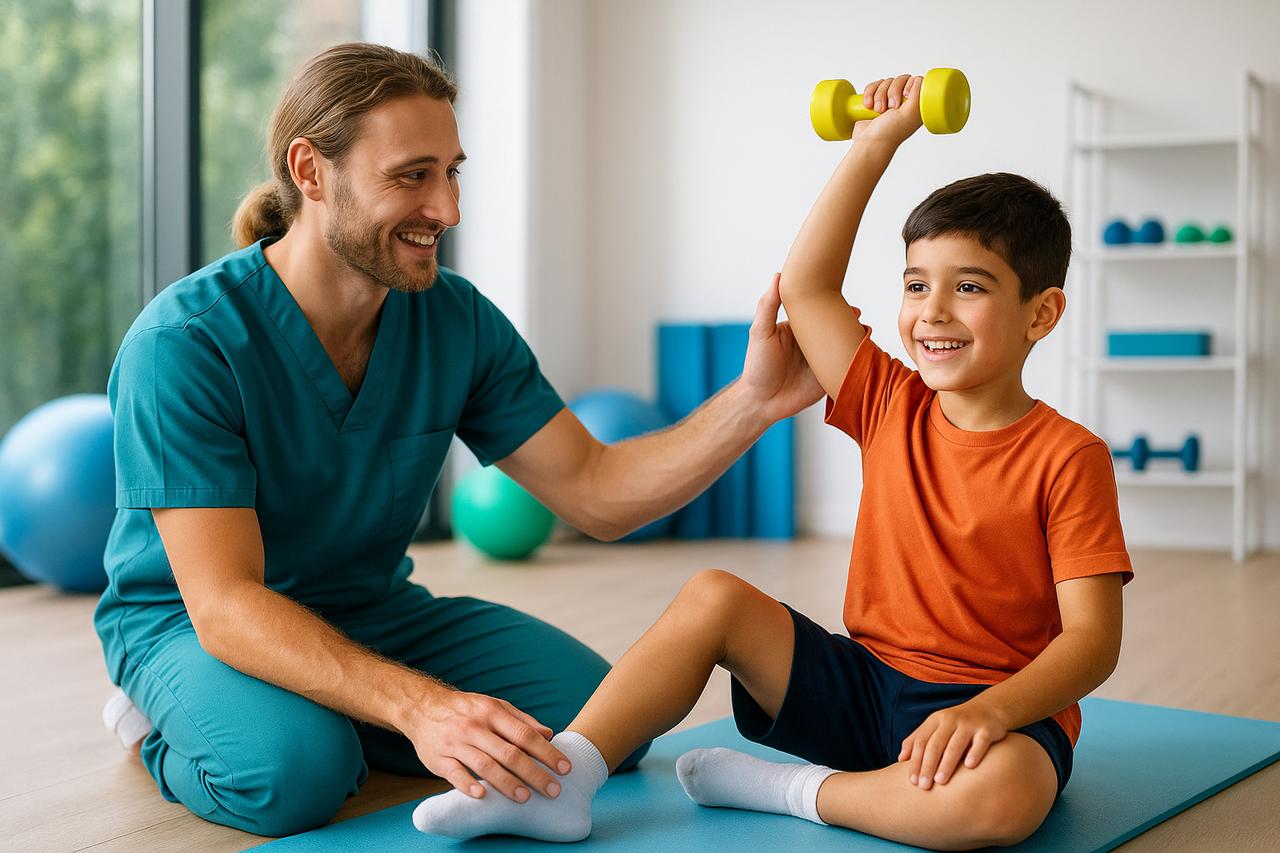
Building Lifelong Champions: A Parent's Guide to Strength and Mobility Exercises for Kids
In a world of screens and schedules, ensuring our children build a strong, healthy relationship with movement is more important than ever. From their first wobbly steps to scoring their first goal, a foundation of physical literacy is key. But it's about more than just running around; it’s about developing the core strength, flexibility, and coordination that will support them for a lifetime. This guide explores fun and effective strength and mobility exercises for kids, helping you nurture their physical development in a safe, supportive, and playful way. For children needing more specific guidance, a personalized pediatric physiotherapy plan can make all the difference in unlocking their full potential.
Why Strength and Mobility are a Child’s Superpowers
When we think of "strength training," images of heavy weights often come to mind. For children, however, strength is built through mastering their own body weight, improving control, and creating stability. Mobility isn't just about being "bendy"; it's about having the healthy range of motion in their joints to move freely and efficiently. Together, they form a powerful duo that provides incredible benefits during their formative years.
- Injury Prevention: Strong muscles act as shock absorbers, protecting joints and ligaments during play and sports. Good mobility ensures that movements are fluid, reducing strain and the risk of sprains. This is a cornerstone of any effective sports injury rehabilitation program, but prevention is always the best cure.
- Improved Posture and Body Awareness: A strong core is the anchor for good posture. Exercises that build core and back strength help children sit, stand, and move with better alignment, which is crucial for preventing issues like back pain later in life.
- Enhanced Athletic Performance: Whether they're playing football, dancing, or swimming, a foundation of strength and mobility translates to better power, speed, agility, and coordination.
- Confidence Boost: As children master new movements and feel their bodies getting stronger, their self-esteem and confidence soar. They learn to trust their bodies and feel more capable in physical activities.
- Healthy Habit Formation: Introducing movement as a fun and normal part of life from a young age sets the stage for a healthy, active adulthood.
At Physio Cure Dubai, our holistic philosophy recognizes that a child's physical health is deeply connected to their overall well-being. By focusing on foundational movement, we empower them to live their healthiest lives, not just now, but for years to come.
The Golden Rules: A Strength and Mobility Exercises for Kids Guide
Before diving into specific exercises, it's essential to establish the right approach. The goal is to foster a love for movement, not to create a mini-bootcamp. Here are some guiding principles to keep in mind:
1. Make it Fun!
This is the most important rule. Children learn best through play. Turn exercises into games, challenges, or stories. An "animal adventure" where they perform bear crawls and frog jumps is far more engaging than simply being told to do an exercise. Use music, timers, and positive reinforcement to keep the energy high and the smiles wide.
Pro Tip: Frame "exercise time" as "play time" or "adventure time." Let your child take the lead sometimes, choosing which "animal" to be or what "mission" to complete. Their investment in the activity will skyrocket.
2. Form Over Everything
The quality of the movement is far more important than the quantity. It's better to do 3 perfect squats than 10 sloppy ones. Teach them the correct form from the beginning to build good habits and prevent injury. Use simple cues like "keep your chest proud" or "pretend you're sitting back into a tiny chair." Demonstrate the movements yourself and do them together.
3. Keep It Age-Appropriate
A toddler's needs are very different from a pre-teen's. Younger children (ages 3-7) benefit most from play-based activities that develop gross motor skills. Older children (ages 8-12+) can start incorporating more structured, bodyweight exercises. Resistance should be limited to their own body weight or very light tools like resistance bands until they reach physical maturity and have mastered proper form.
The Ultimate Playbook: Fun Strength and Mobility Exercises for Kids
Here is a collection of exercises designed to be both effective and enjoyable. Mix and match them to create your own "movement adventure." Always start with a short warm-up of light activity like marching in place or jumping jacks, and end with a cool-down of gentle stretches.
Foundational Strength Builders
- Animal Walks: These are fantastic full-body exercises.
Bear Crawl: Start on hands and feet, keeping your hips low and back flat. Crawl forward, moving your opposite hand and foot at the same time.
Crab Walk: Sit on the floor with your knees bent and feet flat. Place your hands behind you, fingers pointing towards your feet. Lift your hips off the ground and "walk" forward, backward, and sideways. - The "Super Squat": Squats are a fundamental movement for leg and core strength.
Stand with feet shoulder-width apart, toes pointing slightly out. Have them hold their arms out like Superman. Ask them to sit back as if aiming for a small chair, keeping their chest up and back straight. Go as low as they comfortably can, then push through their feet to stand back up. - Plank Challenge: A brilliant exercise for core stability.
Start on hands and knees, then extend the legs back to rest on the toes. The body should form a straight line from head to heels. Engage the tummy muscles and see how long they can hold it. Start with 10-15 seconds and build from there. Make it a game by trying to beat your own record!
Parent Tip: For younger kids, you can place a small, lightweight toy on their back during the plank and challenge them to keep it from falling off. This is a great cue for maintaining a flat back!
Dynamic Mobility Moves
- Cat-Cow Stretch: A gentle way to improve spinal mobility. Start on hands and knees. On an inhale, drop the belly and look up (Cow). On an exhale, round the back like an angry cat, tucking the chin to the chest. Repeat 5-10 times.
- Leg Swings: Great for hip mobility. Have them stand sideways to a wall or chair for support. Gently swing one leg forward and backward 10 times, then side to side 10 times. Repeat with the other leg.
- Torso Twists: Stand with feet wide and arms out to the sides. Gently twist the upper body from side to side, keeping the hips facing forward.
For a fun, guided session you can do together, check out kid-friendly workout videos like this one on YouTube. They provide great visual cues and an energetic atmosphere.
When to Seek Expert Guidance: The Role of Pediatric Physiotherapy
While these exercises are safe and beneficial for most children, some may need a more tailored approach. If you notice your child struggling with balance, coordination, complaining of persistent pain, recovering from an injury, or seeming hesitant to participate in physical activities, a professional assessment can provide clarity and peace of mind. This is where specialized strength and mobility exercises for kids physiotherapy becomes invaluable.
At Physio Cure Dubai, we believe in a "Doctor-Led" approach. This means your child will be assessed and treated by a licensed doctor of physical therapy, not a technician. Our team, including specialists like Dr. Talaat Abdelhakeem, who is renowned for his compassionate and effective approach with children, focuses on "Root-Cause Diagnosis." We don't just look at the symptom; we investigate the underlying cause of the movement difficulty.
A pediatric assessment involves a comprehensive evaluation of your child’s strength, range of motion, balance, posture, and movement patterns in a friendly, low-pressure environment. From there, we create a "100% Personalized Care" plan that often feels just like structured play, using evidence-based techniques to help your child build confidence and achieve their goals.
If you have concerns about your child's physical development or want a personalized plan to help them thrive, we're here to help. Contact Physio Cure Dubai today to schedule a complimentary initial consultation and take the first step toward building your child's strong, mobile future.
Related care at Physio Cure Dubai
Doctor-led physiotherapy under the medical direction of Dr. Mina Gamil. If anything in this article sounds like you, two of our programs are most relevant:
- Specialty hub: Pediatric Physiotherapy
- Treatment program: Developmental Delay
Related care at Physio Cure Dubai
Doctor-led services for what you have just read about.
Frequently Asked Questions
What are the benefits of strength and mobility exercises for kids?
Strength and mobility exercises are beneficial for children as they help prevent injuries, improve posture and body awareness, enhance athletic performance, boost self-esteem and confidence, and help form healthy habits for an active adulthood.
What are some fun strength-building exercises for children?
Some fun and effective strength-building exercises for children include animal walks like the bear crawl and crab walk, the "super squat" (a bodyweight squat), and plank challenges, which build core stability.
When should a parent seek pediatric physiotherapy for their child?
A parent should seek professional guidance from a pediatric physiotherapist if they notice their child struggles with balance or coordination, complains of persistent pain, is recovering from an injury, or seems hesitant to participate in physical activities.
How can parents make exercise enjoyable for their children?
Parents can make exercise enjoyable by turning it into a game, challenge, or story, such as an "animal adventure." Using music, timers, positive reinforcement, and framing it as "play time" rather than "exercise time" helps keep children engaged.
Who specializes in pediatric physiotherapy at Physio Cure Dubai?
Dr. Talaat Abdelhakeem is a Senior Physiotherapist at Physio Cure Dubai who specializes in pediatric physiotherapy. He is renowned for his compassionate and effective approach with children.
What is Physio Cure Dubai's approach to treating children?
Physio Cure Dubai follows a "Doctor-Led" approach where licensed doctors of physical therapy assess and treat patients. The clinic focuses on "Root-Cause Diagnosis" to find the underlying issue and creates "100% Personalized Care" plans that often feel like structured play.
Does Physio Cure Dubai offer direct billing to insurance companies?
No, Physio Cure Dubai operates on a "pay upfront" basis and does not offer direct billing. Patients must pay for services in full and then submit a claim to their insurer for reimbursement using the invoices and medical documentation provided by the clinic.
What payment options or discounts are available at Physio Cure Dubai?
Physio Cure Dubai accepts Tabby, which allows costs to be spread over several months. The clinic also offers a 25% discount for Fazaa members and has offers for Alsaada members.
What are the clinic hours for Physio Cure Dubai?
The clinic is open from Friday to Wednesday, between 9:00 AM and 8:00 PM. It is closed on Thursdays.
What is the first step in the patient journey at Physio Cure Dubai?
The first step is a complimentary initial consultation and assessment. This allows the clinical team to evaluate the patient's condition before proceeding to a root-cause diagnosis and the creation of a personalized treatment plan.
Related Articles

Assistive Devices in Neurological Rehab: Regain Independence
Discover how doctor-led neurological physiotherapy pairs canes, walkers, AFOs, FES, and smart tech to improve balance, ease fatigue, and restore independence.
15 min read
Pediatric Physiotherapy Techniques: Empower Your Child
Discover child-focused manual therapy, advanced modalities, and expert-led programs that tackle root causes, boost mobility, and build lasting confidence today.
18 min read

Managing Growing Pains: A Parent's Physiotherapy Guide
Doctor-led pediatric physiotherapy relieves growing pains. Learn stretching, massage, and home tips to give your child pain-free nights and active days.
13 min read