Cupping Therapy Side Effects & Safety: Doctor’s Guide
Cupping Demystified: A Doctor’s Guide to the Side Effects and Safety of Cupping Therapy
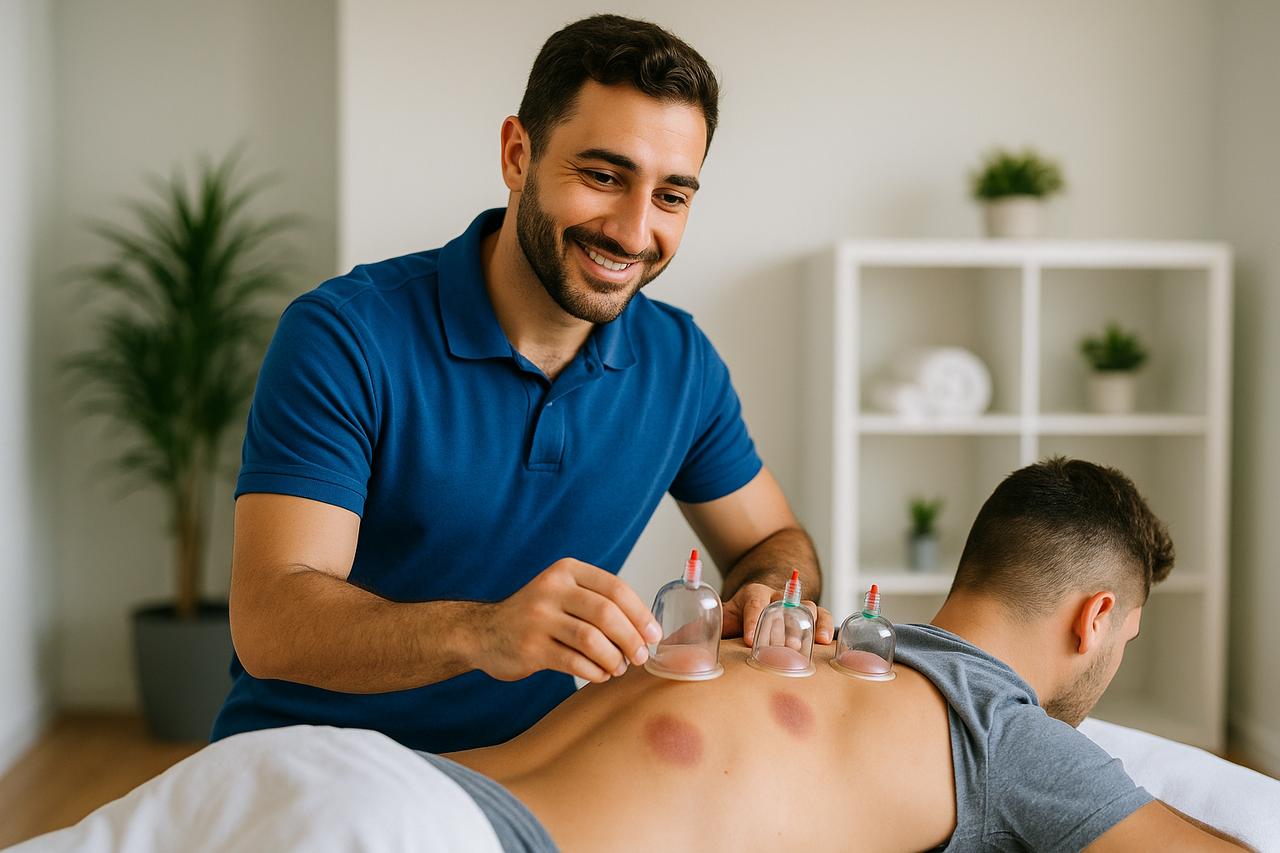
Cupping therapy has surged in popularity as athletes and individuals seeking pain relief showcase its distinctive circular marks. This ancient practice, now integrated into modern physiotherapy, is celebrated for its ability to ease muscle tension, improve blood flow, and accelerate recovery. However, like any medical treatment, understanding its potential effects is crucial for a safe and beneficial experience. At Physio Cure Dubai, our doctor-led approach prioritizes patient education and safety above all else. This comprehensive guide explores the side effects and safety of cupping therapy, helping you make an informed decision about your health and wellness journey.
Understanding Cupping: Beyond the Marks
Before delving into safety, it's important to understand what cupping therapy entails. It is a form of alternative medicine in which a therapist puts special cups on your skin for a few minutes to create suction. This suction is believed to mobilize blood flow to promote the healing of a broad range of medical ailments. There are two main types:
- Dry Cupping: This is the most common method, where suction is created using heat (fire cupping) or a mechanical pump. The cups are left in place or moved across the skin (gliding cupping).
- Wet Cupping: This method involves creating mild suction, removing the cup, making tiny, superficial incisions on the skin, and then reapplying the cup to draw out a small quantity of blood. This type requires strict sterile protocols.
- Ecchymosis: The signature round, reddish-purple marks. Their color can vary depending on the level of stagnation in the area and typically fade within 3 to 10 days.
- Mild Soreness: The treated area might feel tender or sore, similar to post-workout muscle soreness. This usually subsides within 24-48 hours.
- Skin Redness and Warmth: Increased blood flow to the area can cause temporary redness and a feeling of warmth.
- Minor Itching: As the skin and underlying tissues respond to the treatment and begin to heal, some mild itching at the cupping sites can occur.
- Burns: A primary risk associated with traditional "fire cupping" if the practitioner is not highly skilled. Modern techniques using mechanical pumps eliminate this risk.
- Blisters and Scarring: Leaving cups on for too long or using excessively strong suction can cause blisters, which may lead to permanent scarring or skin discoloration (hyperpigmentation).
- Bleeding Disorders: Individuals with conditions like hemophilia or who are taking anticoagulant (blood-thinning) medications are at a higher risk of excessive bruising and bleeding.
- Skin Conditions: Cupping should not be performed over areas with open wounds, active infections, sunburn, severe eczema, or psoriasis.
- Deep Vein Thrombosis (DVT): Applying suction over a blood clot could potentially dislodge it, leading to a life-threatening embolism.
- Pregnancy: As a precaution, cupping is generally avoided on the abdomen and lower back during pregnancy.
- Certain Medical Conditions: Patients with cancer, organ failure, or uncontrolled high blood pressure should consult their primary physician before undergoing cupping.
- Choose a Licensed Professional: Ensure your therapist is a licensed healthcare provider, such as a Doctor of Physical Therapy, with specific training in therapeutic modalities like cupping.
- Demand a Comprehensive Assessment: A safe provider will never apply cups without first understanding your full medical history, current condition, and treatment goals.
- Inquire About Hygiene: Ask about the clinic's sterilization protocols. Equipment must be single-use (for wet cupping blades) or thoroughly sterilized between patients.
- Communicate During Treatment: Your comfort is paramount. You should feel comfortable telling your therapist if the suction is too strong or if you experience any significant pain.
Many people seek out cupping therapy for pain relief, muscle stiffness, and to enhance circulation and recovery. When comparing cupping vs massage, the key difference lies in the pressure. Massage applies positive pressure to tissues, while cupping uses negative pressure to lift them. This decompressive force can release tight fascia, reduce muscle knots, and bring nutrient-rich blood to the area.
Common and Expected Side Effects: What’s Normal?
The most recognizable side effects of cupping are the circular marks left on the skin. These are not bruises in the typical sense (caused by impact trauma) but are rather the result of blood being drawn to the surface. These effects are generally harmless and resolve on their own.
Common, temporary side effects include:
These responses are a normal part of the therapeutic process and indicate that the treatment is stimulating the body's natural healing mechanisms.
Your health history is not just a formality; it's the most critical tool for ensuring your safety. Always provide a complete and honest medical history to your physical therapist at the initial assessment.
Navigating Potential Risks: When to Be Cautious
While generally safe when performed by a qualified professional, cupping therapy is not without risks, especially if administered incorrectly. Understanding the side effects and safety of cupping therapy benefits both patient and practitioner, ensuring the best outcomes. More serious complications, though rare, can occur.
Skin-Related Complications
Improper technique or excessive suction can lead to skin damage. These risks include:
Infection and Contamination Risks
This is the most significant risk associated with wet cupping. Because the skin barrier is broken, strict aseptic technique is non-negotiable. Failure to use sterilized, single-use equipment can lead to bacterial infections or the transmission of blood-borne diseases like hepatitis. At Physio Cure Dubai, we adhere to the highest standards of clinical hygiene to eliminate this risk. You can read more about the dangers of cupping therapy when proper protocols are not followed.
Systemic and Deeper Tissue Concerns
Some individuals may experience systemic reactions, such as dizziness, lightheadedness, nausea, or sweating, particularly during their first session or with wet cupping. In rare cases, placing cups over major nerves or arteries, or using aggressive techniques, could lead to nerve irritation or a hematoma (a severe bruise).
A qualified practitioner will always conduct a thorough assessment before treatment to identify any potential risks and ensure cupping is the right choice for you. Never hesitate to ask about their sterilization procedures and qualifications.
Is Cupping Safe for Everyone? Key Contraindications
Cupping is not suitable for everyone. A crucial part of ensuring safety is a comprehensive screening process. At Physio Cure Dubai, our doctors of physical therapy conduct a detailed evaluation to identify any contraindications. You should avoid cupping or consult with your doctor if you have any of the following conditions:
Ensuring Your Safety: The Physio Cure Dubai Standard
The single most important factor in ensuring the safety and effectiveness of cupping therapy is the expertise of the practitioner. Our "Doctor-Led" philosophy means your treatment is performed by a licensed Doctor of Physical Therapy who understands complex anatomy, physiology, and pathology.
Here’s how to guarantee a safe experience:
By prioritizing these standards, you can confidently explore the benefits of cupping for pain management, enhanced circulation, and faster recovery as part of a holistic, evidence-based treatment plan.
Ready to explore the benefits of cupping with a team you can trust? Contact Physio Cure Dubai today to discuss your personalized treatment plan and ensure your therapy is both safe and effective.
Related care at Physio Cure Dubai
Doctor-led physiotherapy under the medical direction of Dr. Mina Gamil. If anything in this article sounds like you, two of our programs are most relevant:
- Specialty hub: Orthopedic Physiotherapy
- Treatment program: Back Pain Treatment
Related care at Physio Cure Dubai
Doctor-led services for what you have just read about.
Frequently Asked Questions
What are the common side effects of cupping therapy?
The most common and expected side effects are temporary and harmless. They include ecchymosis (the signature round, reddish-purple marks that fade in 3-10 days), mild soreness similar to post-workout muscle soreness, temporary skin redness and warmth, and minor itching at the cupping sites.
Are the marks from cupping therapy permanent bruises?
No, the circular marks are not bruises caused by impact trauma. They are the result of blood being drawn to the skin's surface due to the suction. These marks are temporary and typically fade within 3 to 10 days.
What is the main difference between cupping and massage?
The key difference is the type of pressure used. A massage applies positive pressure, pushing down on the body's tissues. Cupping therapy uses negative pressure, creating suction that lifts the tissues, which can release tight fascia and reduce muscle knots.
Who should avoid getting cupping therapy?
Cupping therapy should be avoided by individuals with bleeding disorders like hemophilia, those taking anticoagulant medications, or people with deep vein thrombosis (DVT). It should also not be performed over areas with open wounds, active infections, or severe skin conditions. It is generally avoided on the abdomen and lower back during pregnancy.
What are the specific risks associated with wet cupping?
The most significant risk with wet cupping is infection. Because the procedure involves making tiny incisions in the skin, there is a risk of bacterial infection or transmission of blood-borne diseases like hepatitis if strict sterile protocols and single-use equipment are not used.
Does Physio Cure Dubai offer cupping therapy?
Yes, Physio Cure Dubai integrates modern modalities into its treatment plans, and Cupping Therapy is listed as one of the advanced technologies available at the clinic.
How does Physio Cure Dubai ensure patient safety during cupping therapy?
Physio Cure Dubai ensures safety through its 'Doctor-Led' approach, where all treatments are performed by licensed Doctors of Physical Therapy. They conduct a comprehensive assessment and medical history review before any treatment, adhere to the highest standards of clinical hygiene, and maintain open communication with the patient to ensure comfort.
Can I pay for treatment at Physio Cure Dubai using my insurance directly?
No, Physio Cure Dubai does not offer direct billing. The clinic operates on a 'pay upfront' model where patients must pay for their services in full. The clinic then provides all the necessary invoices and medical documentation for the patient to submit a claim to their insurance provider for reimbursement.
Who performs the treatments at Physio Cure Dubai?
All assessment, diagnosis, and treatment at Physio Cure Dubai are performed by licensed doctors holding advanced degrees, such as a Doctor of Physical Therapy (DPT). The clinic emphasizes that treatments are not performed by technicians.
What are the clinic hours for Physio Cure Dubai?
Physio Cure Dubai is open from 9:00 AM to 8:00 PM from Friday to Wednesday. The clinic is closed on Thursdays.
Related Articles
Dry Needling Safety: Side Effects, Risks & Patient Tips
Discover how doctor-led dry needling relieves trigger point pain safely. Understand expected side effects, rare risks, and aftercare insights in this guide.
15 min read

Heart-Safe Strength Training: Doctor-Led Recovery Guide
Discover science-backed resistance workouts that let cardiac patients regain strength safely. Doctor-led guidance, safety red flags, and better heart health.
14 min read

9 Questions to Ask Before Choosing a Physiotherapy Clinic in Dubai
Nine practical questions to ask before choosing a physiotherapy clinic in Dubai, covering consent, shared decisions, roles, risks, and support.
7 min read