Breathing Exercises to Boost Lung Capacity & Endurance
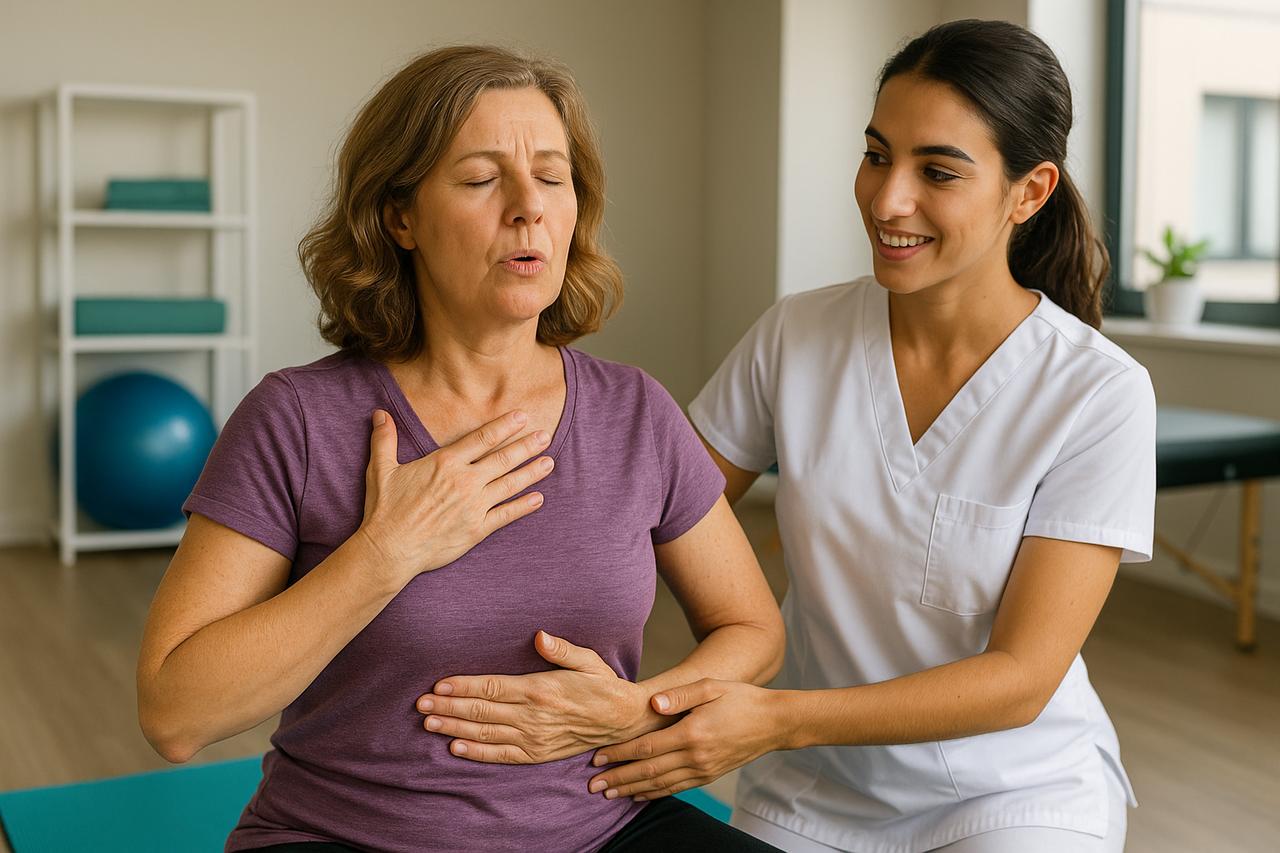
Breathe Deeper, Live Fuller: Unlocking the Vital Role of Breathing Exercises in Lung Health
In our busy lives, breathing is often an unconscious, automatic process we take for granted. Yet, the simple act of inhaling and exhaling holds profound power over our physical and mental well-being. For adults managing heart or lung conditions, recovering from illnesses like COVID-19, or simply struggling with low endurance, harnessing this power is not just beneficial—it's transformative. Understanding the role of breathing exercises in lung health is the first step toward building a more resilient respiratory system. At Physio Cure Dubai, our doctor-led approach emphasizes that mastering your breath is a foundational pillar of lasting health, paving the way for improved stamina, reduced breathlessness, and a higher quality of life.
Beyond Autopilot: Why Conscious Breathing is a Game-Changer for Your Health
Our bodies are designed to breathe efficiently using a primary muscle located at the base of the lungs: the diaphragm. However, factors like chronic stress, a sedentary lifestyle, poor posture, and respiratory illness can force us into a pattern of shallow "chest breathing." This inefficient method overworks the smaller muscles in the neck and shoulders, leading to tension, fatigue, and inadequate oxygen exchange. Over time, this can weaken the diaphragm and reduce overall lung capacity.
This is where conscious breathing practice becomes a powerful therapeutic tool. By intentionally engaging in specific exercises, we can retrain our respiratory muscles, much like we would train our biceps in a gym. This is a core component of any effective cardiopulmonary rehab program. It's about moving from an inefficient, autopilot pattern to a deliberate, efficient one that supports every system in the body. The goal is to strengthen the diaphragm, improve the elasticity of the lungs and rib cage, and maximize the amount of oxygen that reaches our blood and tissues with each breath. This targeted training doesn't just help you breathe easier; it builds a foundation for greater physical endurance and overall vitality.
The Science-Backed Benefits of Breathing Exercises Physiotherapy
The positive impact of structured breathing exercises is not just anecdotal; it is firmly supported by scientific evidence. At Physio Cure Dubai, our commitment to an evidence-based approach means we rely on proven techniques to achieve lasting results. The practice of breathing exercises physiotherapy is centered on creating measurable improvements in respiratory function.
Here’s a breakdown of the key physiological benefits:
- Strengthens Respiratory Muscles: The most significant benefit is the strengthening of the diaphragm and the intercostal muscles (the muscles between your ribs). Research shows that targeted respiratory muscle training can significantly increase inspiratory muscle strength (PImax), making it easier to take deep, full breaths, especially for those with conditions like COPD.
- Increases Lung Capacity: As we age (typically after 35), our lung capacity naturally begins to decline. Breathing exercises can help counteract this by expanding lung tissue and improving the mobility of the rib cage, allowing you to take in more air with each breath.
- Improves Gas Exchange: The ultimate purpose of breathing is to exchange oxygen for carbon dioxide. Deeper, slower breathing improves this process by allowing more time for oxygen to pass from the lungs into the bloodstream. This boosts blood oxygen saturation levels, which is crucial for energy and cognitive function.
- Manages Symptoms of Breathlessness (Dyspnea): For individuals with asthma or COPD, techniques like pursed-lip breathing can help keep airways open longer, reducing the feeling of breathlessness and helping to clear trapped air from the lungs. This provides a sense of control and reduces the anxiety often associated with respiratory conditions.
- Reduces Stress and Lowers Blood Pressure: Slow, controlled breathing activates the parasympathetic nervous system, our body's "rest and digest" system. This has a calming effect, helping to lower heart rate, reduce blood pressure, and alleviate stress and anxiety.
At Physio Cure Dubai, we focus on root-cause diagnosis. Inefficient breathing is often an underlying factor in fatigue, chronic pain, and poor exercise tolerance. Correcting this pattern is fundamental to a holistic recovery.
Your Toolkit for Stronger Lungs: Essential Role of Breathing Exercises in Lung Health Exercises
Integrating breathing exercises into your daily routine is simple and requires no special equipment. The key is consistency. Aim to practice for 5-10 minutes, one to two times per day, in a quiet and comfortable space. Here are four foundational exercises to get you started:
-
Diaphragmatic (Belly) Breathing: This is the cornerstone of all breathing exercises, designed to retrain and strengthen your primary breathing muscle.
- Lie on your back with your knees bent or sit comfortably in a chair with your back straight.
- Place one hand on your upper chest and the other on your belly, just below your rib cage.
- Inhale slowly through your nose for a count of 3 or 4. As you do, focus on letting your belly rise. The hand on your chest should remain relatively still.
- Exhale slowly through pursed lips (as if you're whistling) for a count of 6 to 8. Gently press on your abdomen to help push all the air out. The hand on your belly should fall.
- Repeat for 5-10 repetitions.
-
Pursed-Lip Breathing: This technique is excellent for slowing your breathing rate and is particularly helpful during moments of breathlessness or physical activity.
- Sit or stand with relaxed neck and shoulders.
- Inhale through your nose for a count of two.
- Pucker your lips as if you're about to blow out a candle.
- Exhale very slowly and gently through your pursed lips for a count of four. The exhale should be twice as long as the inhale.
- Repeat as needed until your breathing feels more controlled.
-
Box (Square) Breathing: Used by athletes and military personnel, this technique is fantastic for calming the nervous system and improving focus and oxygen delivery.
- Sit upright and exhale completely.
- Inhale slowly through your nose to a count of four.
- Hold your breath for a count of four.
- Exhale slowly through your mouth to a count of four.
- Hold your breath with your lungs empty for a count of four.
- This completes one cycle. Repeat for 5-10 cycles.
-
Rib Stretch: This exercise helps to open up the chest and increase the flexibility of the intercostal muscles, allowing for greater lung expansion.
- Stand upright with your hands on your hips.
- Exhale all the air from your lungs completely.
- Inhale slowly and as deeply as possible, feeling your rib cage expand outwards and upwards.
- Hold your breath for 10-20 seconds.
- Exhale slowly and completely. Repeat 3-4 times.
Expert Tip: Consistency is more important than intensity. A few minutes of mindful breathing every day will yield far greater benefits than one long, infrequent session. Make it a part of your daily routine, like brushing your teeth.
Making it a Habit: Endurance Training Tips and Lifestyle Integration
Knowing the exercises is one thing; incorporating them into your life for long-term benefit is another. Here are some practical endurance training tips to help you build a stronger respiratory system and make conscious breathing a sustainable habit:
- Link it to an Existing Habit: Practice your breathing exercises immediately after you wake up, before you go to sleep, or during your lunch break. Linking a new habit to an existing one dramatically increases your chances of sticking with it.
- Focus on Posture: Good posture is essential for optimal lung function. Throughout the day, remind yourself to sit or stand tall, with your shoulders back and down. This gives your diaphragm and rib cage the space they need to expand fully. A physiotherapist can help address any postural dysfunctions that may be limiting your breathing.
- Practice Mindful Breathing During Exercise: Don't just save these techniques for your 10-minute session. Apply them during physical activity. Use pursed-lip breathing while walking or climbing stairs to manage breathlessness. Focus on deep belly breaths during your warm-up and cool-down to improve oxygen delivery to your muscles.
- Complement with Aerobic Activity: Breathing exercises strengthen the "machinery" of respiration, while aerobic exercises (like walking, swimming, or cycling) improve how efficiently your heart and lungs use oxygen. The two work together synergistically. A comprehensive plan, guided by a professional, should include both components for maximum benefit.
At Physio Cure Dubai, our holistic philosophy recognizes that recovery is not just about isolated exercises. It's about integrating healthier patterns into your entire lifestyle. Our senior physiotherapists, like Dr. Shaimaa Hamdalla who specializes in chronic pain management and postural dysfunctions, can help you build a comprehensive plan that addresses all contributing factors.
Ready to harness the power of your breath? Our doctor-led team is here to guide you. Discover our personalized Cardiopulmonary Physiotherapy program and start your journey to better lung health today.
Related care at Physio Cure Dubai
Doctor-led physiotherapy under the medical direction of Dr. Mina Gamil. If anything in this article sounds like you, two of our programs are most relevant:
- Specialty hub: Neurological Physiotherapy
- Treatment program: Cardiopulmonary Physiotherapy
Related care at Physio Cure Dubai
Doctor-led services for what you have just read about.
Frequently Asked Questions
What is the most important muscle for breathing?
The primary muscle for efficient breathing is the diaphragm, which is located at the base of the lungs. Inefficient breathing patterns, such as shallow chest breathing, often underuse the diaphragm and overwork smaller muscles in the neck and shoulders, leading to tension and fatigue.
What are the key benefits of practicing breathing exercises?
Breathing exercises offer several science-backed benefits, including strengthening respiratory muscles like the diaphragm, increasing lung capacity, improving the exchange of oxygen and carbon dioxide, managing symptoms of breathlessness (dyspnea), and activating the body's relaxation response to lower stress and blood pressure.
How can pursed-lip breathing help if I feel short of breath?
Pursed-lip breathing helps manage breathlessness by slowing your breathing rate and keeping the airways open for longer. This technique is particularly effective for people with conditions like asthma or COPD as it helps clear trapped air from the lungs, providing a greater sense of control.
Does Physio Cure Dubai have a program for breathing and lung conditions?
Yes, Physio Cure Dubai offers a specialized Cardiopulmonary Physiotherapy program. This doctor-led program is designed to help adults managing heart or lung conditions, recovering from illnesses, or struggling with low endurance by using proven techniques to improve respiratory function and stamina.
What is Physio Cure Dubai's philosophy for treating respiratory issues?
Physio Cure Dubai uses a holistic and evidence-based approach focused on root-cause diagnosis. Their doctor-led team identifies underlying factors contributing to respiratory issues, such as inefficient breathing patterns or postural dysfunctions, and creates personalized treatment plans to correct them for lasting results.
What is diaphragmatic breathing and how do you do it?
Diaphragmatic breathing, or 'belly breathing,' is a foundational exercise to strengthen the diaphragm. To perform it, you lie or sit comfortably, place one hand on your chest and the other on your belly, and inhale slowly through your nose, focusing on making your belly rise while your chest stays still. You then exhale slowly through pursed lips as your belly falls.
Does Physio Cure Dubai accept direct insurance billing?
No, Physio Cure Dubai operates on a 'pay upfront' model and does not offer direct billing to insurance companies. Patients are required to pay for their services in full at the clinic and are then provided with all necessary medical documentation and invoices to submit a claim to their insurer for reimbursement.
How often should you do breathing exercises to see benefits?
For the best results, consistency is more important than intensity. It is recommended to practice breathing exercises for 5 to 10 minutes, one to two times per day. Integrating this practice into a daily routine is more effective than doing longer, infrequent sessions.
Are there specialists at Physio Cure Dubai who handle conditions related to breathing and posture?
Yes, the clinical team includes senior physiotherapists with relevant specializations. Dr. Shaimaa Hamdalla, a Senior Physiotherapist at the clinic, specializes in chronic pain management and postural dysfunctions, which are often linked to inefficient breathing patterns.
Is Physio Cure Dubai a good choice if I just want a quick treatment?
Physio Cure Dubai may not be the best fit for those seeking a 'quick fix.' The clinic's philosophy is centered on root-cause diagnosis and creating a comprehensive, long-term recovery plan. This approach requires active patient participation and commitment to the personalized program for lasting relief, rather than only temporary symptom management.
Related Articles
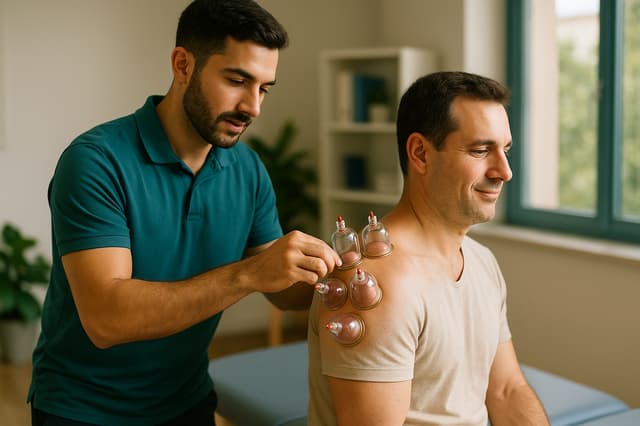
Cupping Therapy: Improve Circulation, Relieve Pain Faster
Discover how doctor-led cupping jump-starts circulation, flushes toxins, and speeds healing. See why decompressive suction outperforms massage for chronic pain.
10 min read
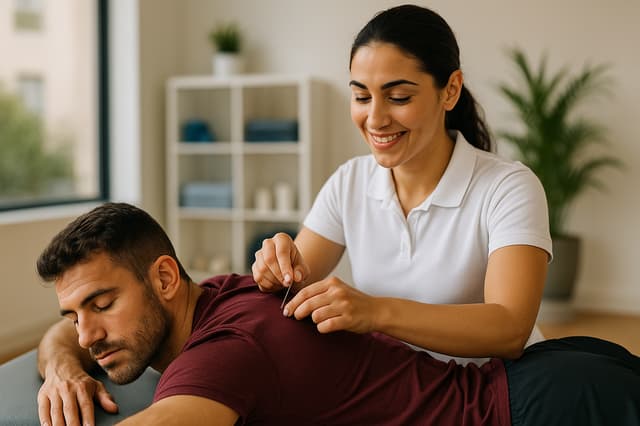
Dry Needling for Athletes: Rapid Recovery & Peak Power
Doctor-led dry needling targets trigger points to relieve pain, accelerate recovery, restore mobility, and boost athletic performance for serious competitors.
15 min read
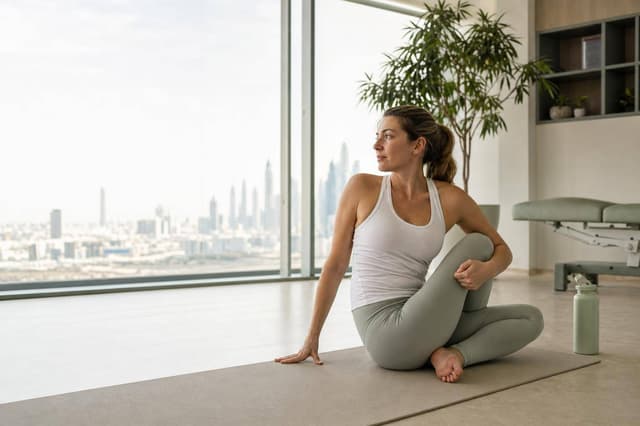
Staying Active Through Dubai's Summer Heat: A Physiotherapist's Guide
Staying active in Dubai summer can be safe with smart timing, hydration, indoor options, and physiotherapist tips for heat-aware daily exercise routines.
8 min read