Evidence-Based Return-to-Play Protocols for Athletes
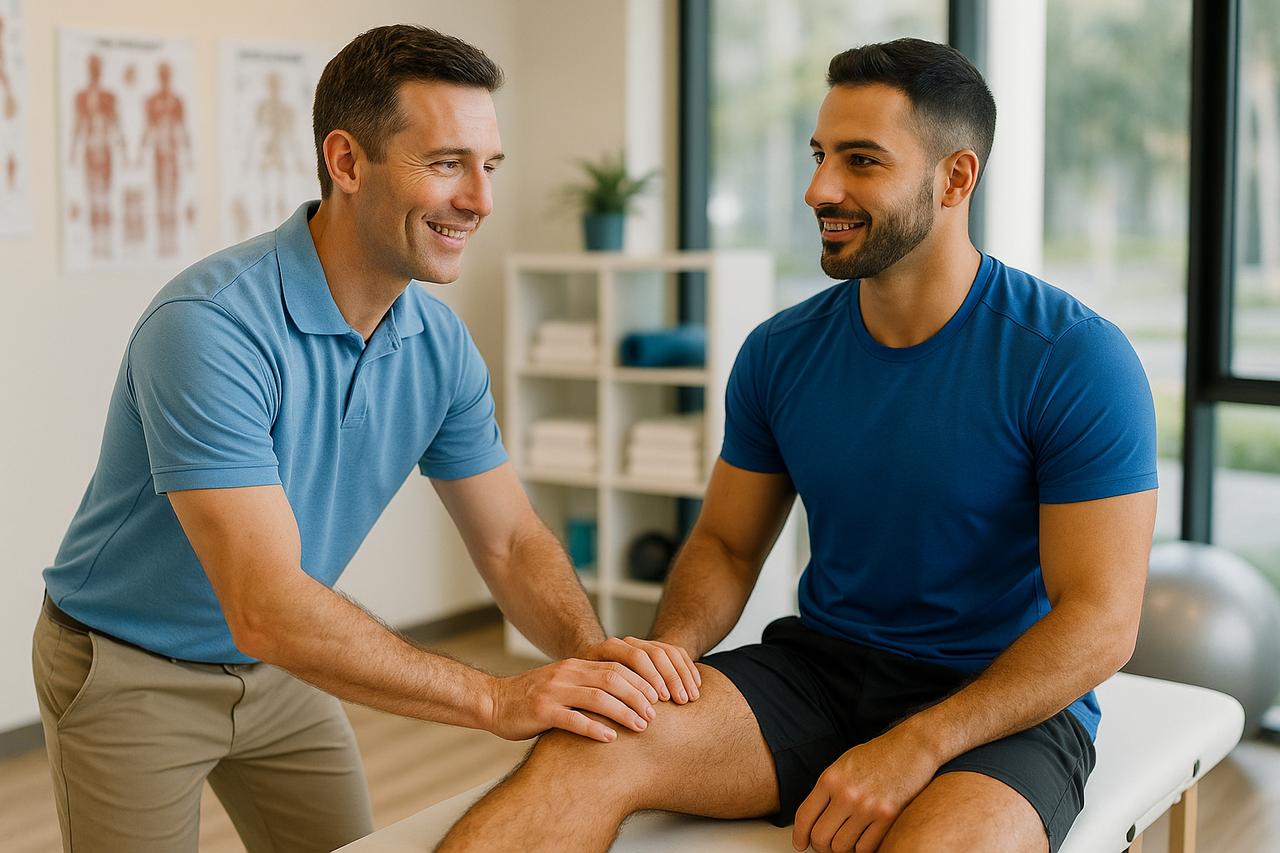
Beyond the Sidelines: Mastering Return-to-Play Protocols After Injury for Peak Athletic Performance
The sharp sting of an injury is more than just physical pain; it's the frustration of the sidelines, the agony of watching your team compete without you, and the uncertainty of when—or if—you'll get back to your peak. For any dedicated athlete, coach, or parent, the recovery journey can feel like a daunting, unmapped road. But a successful comeback isn’t about luck or simply waiting for the pain to fade. It’s about a strategic, evidence-based approach. Mastering modern return-to-play protocols after injury is the definitive factor that separates a temporary setback from a career-altering event. At Physio Cure Dubai, our doctor-led philosophy transforms this journey from a passive waiting game into an active, empowered road to recovery through our world-class sports injury rehabilitation programs.
The New Standard: Why 'Time-Off' Isn't a Strategy for Sports Physio Return to Sport
For decades, the standard advice for a sports injury was simple: rest. An athlete was told to wait a prescribed number of weeks, and if the pain was gone, they were cleared to play. This outdated, time-based model is a gamble. It completely ignores the complex physiological and biomechanical changes that occur after an injury. While the initial pain might subside, underlying issues like muscle imbalances, weakened stabilizer muscles, poor movement patterns, and scar tissue accumulation often remain. Returning to the high-impact, high-velocity demands of sport with these hidden deficits is a recipe for re-injury, often more severe than the original one.
The modern, evidence-based approach to sports physio return to sport is radically different. It’s a criterion-based model, meaning an athlete progresses based on achieving specific, measurable milestones—not by watching the calendar. This is where the principle of root-cause diagnosis becomes paramount. A premier physiotherapy clinic doesn't just treat the symptom (e.g., knee pain); it investigates the 'why'. Was the injury caused by poor hip stability? A weak core? Improper landing mechanics? By identifying and correcting the underlying source of the problem, we don't just facilitate healing; we build a more resilient, efficient, and powerful athlete. This methodical process ensures that when you step back onto the field, court, or track, you are not just healed, but fundamentally stronger and more biomechanically sound than before.
The Blueprint for a Comeback: Pillars of an Elite Athlete Recovery Plan
A robust athlete recovery plan is a structured, multi-stage journey, not a single event. It’s a collaborative process that requires expertise, precision, and active participation from the athlete. At Physio Cure, our patient journey is built on this very foundation, providing a clear and logical path from injury to peak performance. Think of it as a strategic game plan for your body's recovery.
- Comprehensive Assessment & Root Cause Diagnosis: The journey begins with a deep dive. This is more than a cursory look at the painful area. A Doctor of Physical Therapy will conduct a thorough evaluation of your movement patterns, strength, flexibility, and biomechanics to pinpoint the exact source of the issue. This is the critical first step that informs the entire recovery strategy.
- 100% Personalized Treatment Plan: No two athletes and no two injuries are identical. Based on the diagnosis, a fully customized treatment plan is crafted. This plan considers your specific sport, position, lifestyle, and performance goals. It’s your unique roadmap back to competition, designed exclusively for you.
- Hands-On Manual Therapy & Advanced Modalities: This is where true healing begins. Treatment is led by skilled doctors, not technicians. It involves sophisticated manual therapy techniques to restore joint mobility and release tissue restrictions. This is often complemented by advanced technologies like Dry Needling to target trigger points, Cupping Therapy to improve blood flow, and specialized spinal decompression for issues like back pain treatment.
- Guided Exercise & Progressive Loading: As pain subsides and mobility improves, the focus shifts to rebuilding strength and control. This phase involves a carefully structured program of guided exercises that progressively load the injured tissue. This controlled stress is essential for remodeling tissue to be strong and resilient enough to handle sporting demands.
- Performance Testing & Sport-Specific Drills: Before a full return, you must prove your body is ready. This involves a battery of functional tests that simulate the movements of your sport—jumping, cutting, sprinting, and changing direction. Passing these tests provides objective data that you are ready to transition back to practice safely.
Peak Performance Tip: A successful return-to-play isn't just about being pain-free. It's about demonstrating symmetrical strength, stability, and confidence in sport-specific movements. Objective functional testing is non-negotiable.
Decoding the Phases: What Effective Return-to-Play Protocols After Injury Guidelines Involve
To understand the process, it's helpful to break down the typical phases found within professional return-to-play protocols after injury guidelines. While the specific timeline varies for each individual, the logical progression remains consistent. This structured approach ensures that the athlete's body is never asked to do more than it is prepared for, systematically rebuilding capacity and minimizing the risk of setbacks.
Authoritative bodies like the CDC have established frameworks, particularly for concussions, that highlight a step-by-step progression. For example, their guidelines emphasize a gradual increase in activity, from light aerobic exercise to heavy non-contact drills, before reintroducing full-contact practice. You can learn more about these structured frameworks from resources like the CDC's Returning to Sports Guidelines. This same phased logic applies to musculoskeletal injuries:
- Phase 1: Acute Management & Unloading: The immediate goal is to control pain and inflammation while protecting the injured tissue. This may involve relative rest, manual therapy to manage swelling, and gentle activation exercises to prevent muscle atrophy without stressing the injury site.
- Phase 2: Restoring Range of Motion & Baseline Strength: Once the acute phase passes, the focus shifts to regaining full, pain-free mobility. Concurrently, we begin foundational strengthening of the injured area and the supporting muscles around it, often using isolated, controlled movements.
- Phase 3: Building Strength & Neuromuscular Control: This is a critical phase where we increase the complexity and intensity of exercises. We introduce movements in multiple planes, improve balance and proprioception (your body's awareness in space), and build the raw strength and power needed for athletic movements.
- Phase 4: Sport-Specific Loading & Integration: The gym exercises begin to mimic the demands of the sport. This involves plyometrics (jumping, bounding), agility drills (cutting, changing direction), and skill-based movements. The intensity gradually ramps up to match game speed, preparing the body for the chaotic and unpredictable nature of competition.
- Phase 5: Gradual Return to Unrestricted Practice & Competition: Having passed all functional tests, the athlete begins a controlled re-integration into team practice, starting with non-contact drills and progressing to full-contact scenarios. Only after successfully navigating this final phase are they cleared for unrestricted competition.
The Physio Cure Edge: Your Doctor-Led Athlete Recovery Plan in Dubai
In a landscape of varied physiotherapy options, the expertise of the practitioner is the single most important variable in your recovery. At Physio Cure Dubai, we are positioned as Dubai's Premier Doctor-Led Physiotherapy Clinic for a reason. Every aspect of your care, from the initial assessment to the final clearance, is performed by licensed doctors holding advanced degrees like a Doctor of Physical Therapy (DPT). This ensures a level of diagnostic accuracy and treatment proficiency that is simply unmatched.
Our Medical Director, Dr. Mina Gamil, specializes in complex musculoskeletal disorders and sports injuries, bringing a wealth of elite-level experience to every patient. This doctor-led approach means we can integrate sophisticated, evidence-based modalities with precision. We utilize advanced techniques like Acupuncture and Dry Needling to release stubborn muscular knots and reduce pain, while our hands-on manual therapy is the cornerstone of restoring optimal function. This holistic and integrated model ensures you receive the most effective care at every stage of your athlete recovery plan. This is crucial for all athletes, from professionals to weekend warriors, and includes specialized care for youth athletes under our pediatric physiotherapy programs, as well as dedicated programs in women's health for female athletes navigating prenatal or postpartum recovery.
Coach's Corner: The best recovery plans demand active participation. An athlete who is engaged, asks questions, and is committed to their home exercise program will always recover faster and more thoroughly than one who relies only on passive treatments.
Future-Proofing Your Performance: The Power of a Prehab Strength Program
The ultimate goal of any elite physiotherapy program is not just to get you back in the game, but to keep you there. This is why the final stage of our patient journey is dedicated to Patient Education and Injury Prevention. Once you have recovered, we arm you with the knowledge and tools to mitigate future risks. This often involves creating a personalized prehab strength program—a proactive routine designed to address your specific biomechanical weaknesses.
A prehab program might include targeted exercises to improve hip mobility, strengthen your core, optimize your landing mechanics, or improve rotator cuff stability. It’s about turning your weaknesses into strengths. By understanding the root cause of your initial injury, we can build a proactive defense against recurrence. This philosophy transforms you from a patient into an educated athlete who is in control of their own physical health and performance. It’s the final, crucial step in ensuring that your comeback is not only complete but also lasting, allowing you to chase new personal bests with confidence and resilience.
Don't leave your athletic career to chance. Take control of your recovery with a strategic, doctor-led approach. Contact Physio Cure Dubai today to start your personalized Sports Injury Rehabilitation program and get back to the sport you love, stronger than ever.
Related care at Physio Cure Dubai
Doctor-led physiotherapy under the medical direction of Dr. Mina Gamil. If anything in this article sounds like you, two of our programs are most relevant:
- Specialty hub: Sports Injury Rehabilitation
- Treatment program: ACL Rehabilitation
Related care at Physio Cure Dubai
Doctor-led services for what you have just read about.
Frequently Asked Questions
What is a return-to-play protocol?
A return-to-play protocol is a structured, phase-based plan that guides an athlete's recovery after an injury. Instead of being based on a fixed timeline, it is a criterion-based model where an athlete must achieve specific, measurable milestones—like strength, mobility, and performance in sport-specific drills—before progressing to the next phase and safely returning to competition.
Why is just resting an injury not an effective recovery strategy for athletes?
Simply resting an injury is an outdated approach because it ignores underlying issues like muscle imbalances, weakened stabilizer muscles, and poor movement patterns that remain after the initial pain subsides. Returning to sport with these hidden deficits is a leading cause of re-injury, which is often more severe than the original one.
What is Physio Cure Dubai's approach to treating sports injuries?
Physio Cure Dubai uses a doctor-led, evidence-based approach focused on root-cause diagnosis. Their model for sports injury rehabilitation involves a comprehensive assessment to find the underlying source of the problem, followed by a 100% personalized treatment plan that combines hands-on manual therapy with advanced modalities and guided, sport-specific exercises.
What are the typical phases of a sports injury rehabilitation program?
A typical sports injury rehabilitation program follows a logical progression with several phases: 1. Acute management to control pain and inflammation. 2. Restoring range of motion and building baseline strength. 3. Building complex strength and neuromuscular control. 4. Introducing sport-specific loading and agility drills. 5. A gradual, controlled return to unrestricted practice and competition after passing functional tests.
Who leads the sports injury rehabilitation programs at Physio Cure Dubai?
Sports injury rehabilitation at Physio Cure Dubai is led by licensed doctors holding advanced degrees. The Medical Director, Dr. Mina Gamil, who holds a Doctor of Physical Therapy (DPT) degree, specializes in Sports Injuries and Complex Musculoskeletal Disorders and oversees the clinic's treatment protocols.
What is the difference between rehab and prehab?
Rehabilitation (rehab) is the process of recovering from an existing injury to restore function and return to activity, while prehabilitation (prehab) is a proactive strength and conditioning program designed to prevent injuries by identifying and correcting biomechanical weaknesses, muscle imbalances, and poor movement patterns.
What advanced treatment modalities does Physio Cure Dubai use for sports injuries?
Physio Cure Dubai integrates modern technology with its cornerstone hands-on manual therapy. They utilize advanced modalities such as Dry Needling to target trigger points, Cupping Therapy to improve blood flow, Acupuncture, and a specialized spinal decompression machine for back and spinal issues.
Does Physio Cure Dubai offer services for young athletes or female athletes?
Yes, Physio Cure Dubai offers specialized care for both young athletes and female athletes. They provide pediatric physiotherapy programs tailored for youth athletes, as well as dedicated women's health programs for female athletes managing prenatal or postpartum recovery.
How does insurance and payment work at Physio Cure Dubai?
Physio Cure Dubai operates on a 'pay and claim' basis. Patients must pay for their services upfront, as the clinic does not offer direct billing to insurance companies. Afterwards, they provide the necessary invoices and medical documentation for patients to submit a claim to their insurance provider for reimbursement.
What is a root-cause diagnosis in physiotherapy?
A root-cause diagnosis in physiotherapy is an approach where the clinician looks beyond the immediate symptoms to identify the underlying source of the problem. Instead of just treating the symptom (such as knee pain), the focus is on determining if the pain stems from issues like poor hip stability or a weak core, leading to lasting relief and helping prevent future injuries.
Related Articles
Senior Joint Replacement Recovery: Doctor-Led Physiotherapy
Discover step-by-step joint replacement recovery for seniors. Get doctor-led physiotherapy guidance, safe home tips, and holistic tactics for lasting mobility.
14 min read

Play-Based Physiotherapy: Unlocking Children's Potential
Discover how evidence-based play therapy boosts motor, cognitive, and emotional skills. Learn why doctor-led pediatric physiotherapy delivers lasting results.
13 min read
Shoulder Impingement vs Rotator Cuff Problems: Symptoms, Overlap and When Weakness Needs Assessment
Learn why impingement and rotator cuff symptoms overlap, what an assessment may check, and when new weakness after an injury needs prompt care.
6 min read