Evidence-Based Physiotherapy for Post-COVID Recovery
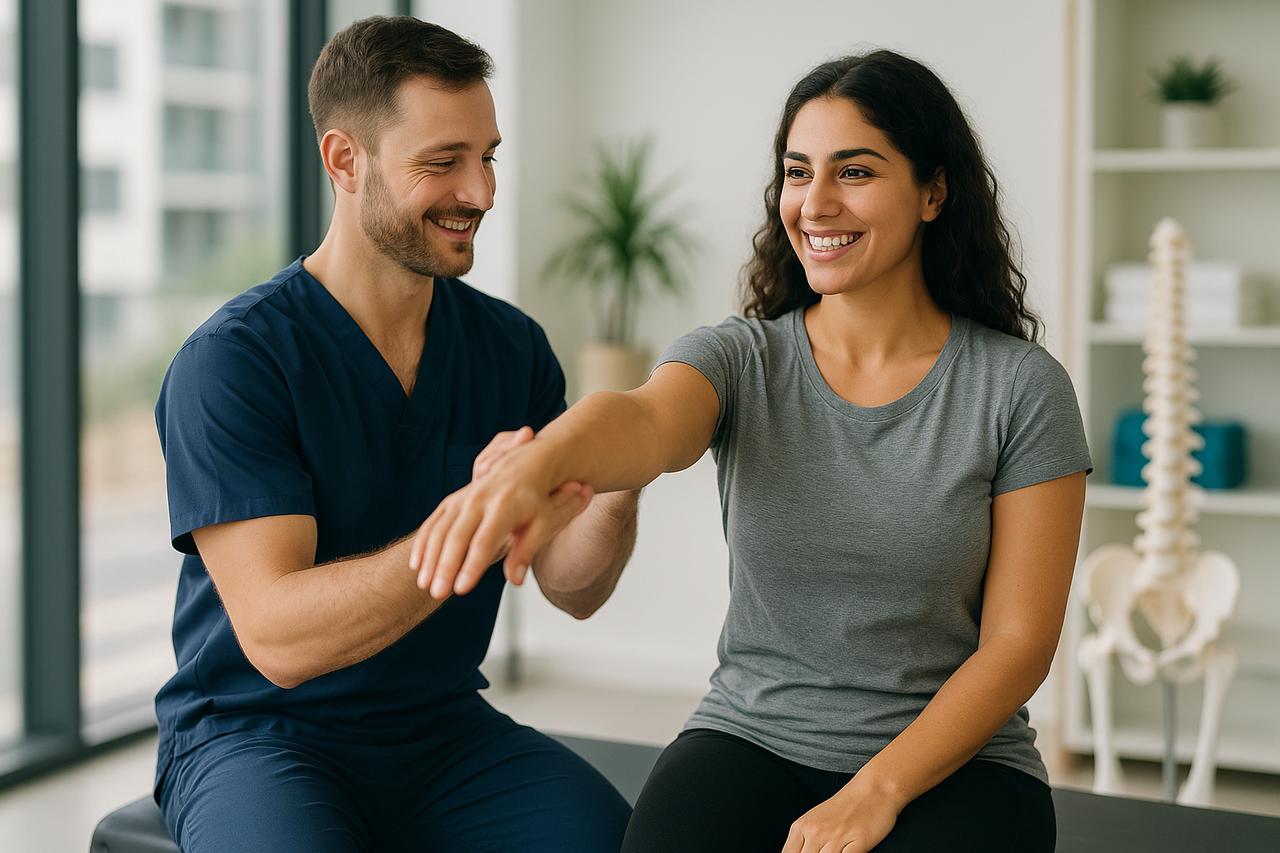
Breathe, Move, Recover: The Ultimate Guide to Physiotherapy for Post-COVID Recovery
Navigating life after a COVID-19 infection can be a challenging journey, with many individuals experiencing persistent symptoms long after the initial illness has passed. This condition, often called "Long COVID," can leave you feeling fatigued, breathless, and significantly weaker than before. Simple daily tasks may suddenly feel monumental. However, there is a clear and effective path forward. Expert-led physiotherapy for post-COVID recovery is a cornerstone of regaining your strength, endurance, and overall quality of life. At Physio Cure Dubai, our doctor-led team provides a structured, evidence-based approach to help you reclaim your health, one personalized step at a time.
Understanding Post-COVID Condition and Its Wide-Ranging Impact
Post-COVID-19 Condition, or Long COVID, refers to a wide range of new, returning, or ongoing health problems that people can experience four or more weeks after first being infected with the virus. The impact is not just physical; it can profoundly affect your mental and emotional well-being. The virus can cause a significant inflammatory response throughout the body, and prolonged periods of inactivity or hospitalization lead to severe deconditioning, where muscles weaken and cardiovascular fitness declines.
Common symptoms that physiotherapy can directly address include:
- Persistent Fatigue: An overwhelming sense of tiredness that is not relieved by rest and is often disproportionate to the activity performed.
- Dyspnea (Shortness of Breath): Feeling out of breath with minimal exertion, such as walking across a room or climbing a single flight of stairs.
- Muscle Weakness and Myalgia: Significant loss of muscle strength (atrophy) and persistent muscle aches and pains.
- Joint Pain: Aches and stiffness in joints throughout the body.
- Balance and Coordination Issues: Dizziness, unsteadiness, or difficulty with coordinated movements.
- Reduced Endurance: A noticeable drop in your ability to sustain physical or mental effort.
- Cognitive Difficulties ("Brain Fog"): Problems with memory, focus, and information processing.
These symptoms create a challenging cycle: fatigue and breathlessness make you less likely to move, but a lack of movement worsens muscle weakness and deconditioning, which in turn exacerbates the fatigue. A specialized physiotherapist can help you break this cycle safely and effectively. As research continues to grow, evidence consistently shows that a structured rehabilitation program is crucial for a successful recovery. For further reading, leading health organizations have detailed the benefits of physical therapy in managing these complex symptoms.
The Foundational Role of Physiotherapy in Your Recovery Guide
Attempting to "push through" Long COVID symptoms is often counterproductive and can lead to setbacks. This is where a doctor-led physiotherapy approach becomes invaluable. At Physio Cure Dubai, we don't use a one-size-fits-all plan. Your recovery begins with a comprehensive assessment to understand the root cause of your specific limitations.
Our clinical evaluation for post-COVID recovery typically includes:
- Respiratory Function Assessment: Measuring your breathing patterns, oxygen saturation levels, and the strength of your diaphragm and other respiratory muscles.
- Musculoskeletal Evaluation: Testing muscle strength, joint range of motion, and posture to identify specific areas of weakness or dysfunction.
- Functional Capacity Testing: Observing your ability to perform basic movements like sitting, standing, and walking to establish a safe baseline for exercise.
- Balance and Proprioception Tests: Assessing your stability to reduce the risk of falls, especially if you are experiencing dizziness.
Based on this detailed diagnosis, a 100% personalized treatment plan is created. This plan is not just a list of exercises; it's a holistic strategy that integrates manual therapy, targeted exercise, breathing retraining, and crucial patient education on energy management. This evidence-based and supportive approach ensures that your efforts are directed where they will have the most impact, promoting a steady and sustainable recovery without causing flare-ups.
A key principle in post-COVID physiotherapy is "start low and go slow." Progress is measured in weeks and months, not days. The goal is to gradually expand your capacity without exceeding your body's current limits.
A Phased Guide to Physiotherapy for Post-COVID Recovery Exercises
The right exercises, performed at the right intensity, are central to rebuilding your body. Your physiotherapist will guide you through a phased program, ensuring each new challenge is appropriate for your current level of recovery. Here are some examples of exercises commonly used in post-COVID rehabilitation.
Phase 1: Foundational Strengthening (Seated Exercises)
These exercises are perfect for the early stages when endurance is very low. They can be done while sitting in a sturdy chair, focusing on reactivating key muscle groups without significant cardiovascular strain.
- Sit to Stand: Sit at the edge of a chair with your feet flat on the floor. Lean forward and use your leg muscles to push yourself up to a standing position. Slowly and with control, lower yourself back down. This is a highly functional exercise that rebuilds leg strength. Aim for 10 repetitions.
- Seated Marching: While sitting tall, lift one knee up towards your chest, then lower it. Alternate legs in a slow, controlled marching motion. This gently engages the core and hip flexors. Aim for 20-30 alternating steps.
- Seated Leg Extensions: Sit tall and extend one leg straight out in front of you, squeezing your thigh muscle. Hold for 3 seconds before slowly lowering it. This targets the quadriceps, which often weaken significantly. Repeat 10 times on each leg.
- Heel and Toe Lifts: While seated, keep your heels on the floor and lift your toes up. Then, place your toes down and lift your heels. This simple movement helps with circulation in the lower legs. Repeat 20 times.
Phase 2: Building Stability and Mobility (Standing Supported Exercises)
Once you can comfortably perform seated exercises, you can progress to standing movements, always using a wall, countertop, or sturdy chair for support.
- Heel Raises: Hold onto your support and slowly rise up onto your tiptoes, hold for a moment, and then lower your heels back down. This is excellent for calf strength and balance. Aim for 15-20 repetitions.
- Side Leg Raises: Stand tall while holding your support. Slowly lift one leg straight out to the side, keeping your body upright. Lower it with control. This strengthens the hip abductor muscles, which are crucial for stable walking. Aim for 15 repetitions on each side.
- Wall Push-Ups: Stand facing a wall, about arm's length away. Place your hands on the wall at shoulder height. Slowly bend your elbows and lean your body towards the wall, then push back to the starting position. This is a gentle way to rebuild upper body strength. Aim for 8-12 repetitions.
Reclaiming Your Breath: Essential Breathing Physiotherapy Techniques
Breathlessness can be one of the most frightening symptoms of Long COVID. Physiotherapy focuses on retraining your breathing patterns to be more efficient, reducing the feeling of breathlessness and strengthening your primary breathing muscle—the diaphragm.
Diaphragmatic (Belly) Breathing
This technique encourages you to use your diaphragm correctly instead of relying on the smaller muscles in your neck and chest, which is a common and inefficient pattern that develops during respiratory illness.
- Lie comfortably on your back with your knees bent, or sit in a supportive chair.
- Place one hand on your upper chest and the other on your belly, just below your rib cage.
- Breathe in slowly through your nose. Aim for the hand on your belly to rise while the hand on your chest remains as still as possible.
- Exhale slowly through your mouth, feeling the hand on your belly gently lower.
Pursed-Lip Breathing
This technique is incredibly useful for managing episodes of breathlessness. It slows your breathing rate and helps keep your airways open longer, allowing you to get more air out and reduce the feeling of air "trapping."
- Inhale slowly through your nose for a count of two.
- Pucker your lips as if you were about to whistle or blow out a candle.
- Exhale very slowly and gently through your pursed lips for a count of four.
Practicing these techniques for 5-10 minutes several times a day can significantly improve your breathing control and reduce anxiety associated with dyspnea.
Essential Post-COVID Recovery Tips: Pacing and Energy Conservation
Perhaps the most critical non-exercise component of recovery is learning to manage your energy. Many people with Long COVID experience Post-Exertional Malaise (PEM), where physical or mental overexertion leads to a "crash" or worsening of symptoms a day or two later. Your physiotherapist will be your guide in learning the principles of pacing.
Think of your daily energy as a budget. Pacing is about learning to spend that budget wisely, ensuring you have enough for essential activities without going into "debt," which leads to a crash.
Pacing involves breaking tasks down into smaller, manageable parts and scheduling frequent rest periods throughout the day, even before you feel tired. It is a proactive strategy, not a reactive one. By working with a physiotherapist, you can identify your personal energy limits and develop a sustainable routine that allows for gradual increases in activity without triggering PEM. This holistic approach, combining gentle exercise with strategic rest, is the key to long-term success.
Ready to reclaim your strength and vitality? Our doctor-led team at Physio Cure Dubai specializes in personalized post-COVID recovery plans. Learn more about our approach to Cardiopulmonary Physiotherapy and book your complimentary initial consultation today.
Related care at Physio Cure Dubai
Doctor-led physiotherapy under the medical direction of Dr. Mina Gamil. If anything in this article sounds like you, two of our programs are most relevant:
- Specialty hub: Neurological Physiotherapy
- Treatment program: Cardiopulmonary Physiotherapy
Related care at Physio Cure Dubai
Doctor-led services for what you have just read about.
Frequently Asked Questions
What are the common symptoms of Long COVID that physiotherapy can address?
Physiotherapy can directly address common Long COVID symptoms including persistent fatigue, dyspnea (shortness of breath), muscle weakness and myalgia (muscle pain), joint pain, balance and coordination issues, reduced endurance, and cognitive difficulties known as "brain fog."
How does Physio Cure Dubai approach physiotherapy for post-COVID recovery?
Physio Cure Dubai uses a doctor-led, evidence-based approach that begins with a comprehensive assessment of respiratory function, musculoskeletal strength, and functional capacity. Based on this root-cause diagnosis, a 100% personalized treatment plan is created, integrating phased exercises, manual therapy, breathing retraining, and crucial patient education on energy management for a sustainable recovery.
Why is it a bad idea to "push through" fatigue during post-COVID recovery?
Attempting to "push through" fatigue is often counterproductive and can lead to setbacks. Many people with Long COVID experience Post-Exertional Malaise (PEM), a condition where physical or mental overexertion leads to a "crash" or worsening of symptoms a day or two later.
What are some simple breathing exercises that help with Long COVID?
Two essential breathing techniques are Diaphragmatic (Belly) Breathing, which retrains and strengthens the primary breathing muscle, and Pursed-Lip Breathing. Pursed-Lip Breathing is especially useful for managing episodes of breathlessness by slowing the breathing rate and keeping airways open longer.
Does Physio Cure Dubai offer direct billing to insurance companies?
No, Physio Cure Dubai does not offer direct billing. The clinic operates on a "pay upfront" model where patients pay for their services in full and are then provided with all the necessary invoices and medical documentation to submit a claim to their insurer for reimbursement.
What is "pacing" and why is it important for Long COVID recovery?
Pacing is a proactive energy management strategy. It involves treating your daily energy as a budget, breaking tasks into smaller, manageable parts, and scheduling frequent rest periods before you feel tired. This is critical for avoiding Post-Exertional Malaise (PEM) and ensuring a steady, long-term recovery.
What makes the treatment philosophy at Physio Cure Dubai unique?
Physio Cure Dubai's philosophy is built on four core principles: treatments are always doctor-led by practitioners with advanced degrees, every treatment plan is 100% personalized, the focus is on diagnosing and treating the root cause of the problem, and they use a holistic, evidence-based approach with modern technology.
What exercises are recommended for the early stages of post-COVID physiotherapy?
In the early stages, when endurance is very low, foundational seated exercises are recommended. These include Sit to Stands to rebuild leg strength, Seated Marching to engage the core, and Seated Leg Extensions to target the quadriceps, all of which reactivate muscles without significant cardiovascular strain.
Does Physio Cure Dubai offer any payment plans or discounts?
Yes, Physio Cure Dubai accepts Tabby, which allows patients to spread the cost of treatment over several months. They also offer discounts for members of loyalty programs, including a 25% discount for Fazaa members and offers for Alsaada members.
Where is Physio Cure Dubai located and what are its working hours?
Physio Cure Dubai is located at Office 1510, SIT Tower, Dubai Silicon Oasis, Dubai, UAE. The clinic is open from 9:00 AM to 8:00 PM from Friday to Wednesday and is closed on Thursdays.
Related Articles
Doctor-Led Cupping Therapy for Lasting Back & Neck Relief
Discover expert cupping therapy that decompresses, boosts circulation, and targets chronic back and neck pain at its root for relief and improved mobility.
13 min read
Dry Needling for Chronic Pain: Root-Cause Relief Explained
Discover how dry needling deactivates trigger points, restores mobility, and delivers lasting relief for chronic pain in back, neck, and sports injuries.
16 min read
Staying Active Through Dubai's Summer Heat: A Physiotherapist's Guide
Staying active in Dubai summer can be safe with smart timing, hydration, indoor options, and physiotherapist tips for heat-aware daily exercise routines.
8 min read