Menopause Physiotherapy: Relieve Pain, Restore Strength
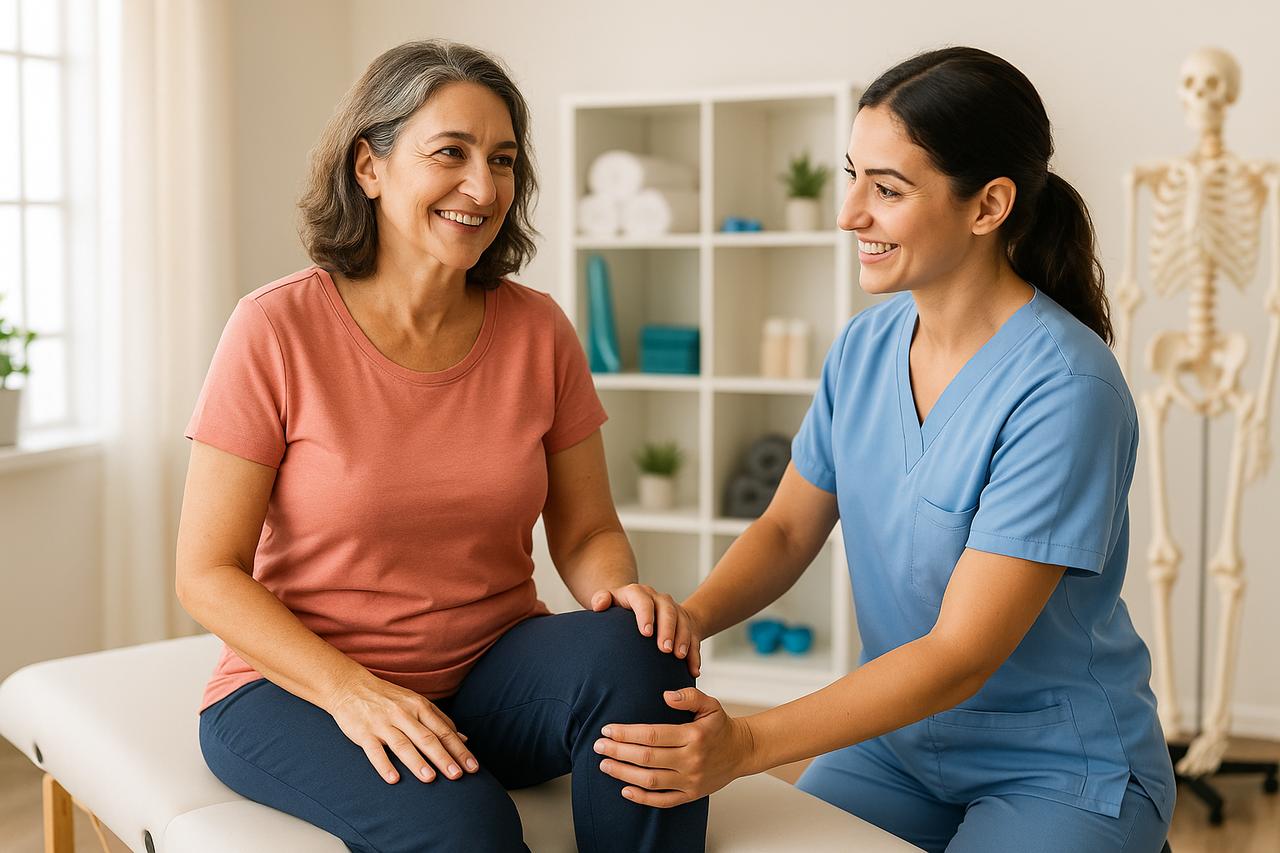
Navigating Menopause with Strength: Your Guide to Easing Aches and Pains Through Physiotherapy
Menopause is a natural and significant transition in a woman's life, but it often brings unwelcome guests: joint pain, muscle stiffness, and a general sense of discomfort that can disrupt daily activities. While these changes are common, they are not something you simply have to endure. For many women seeking a proactive and non-medicinal path to relief, specialized physiotherapy for menopause-related pain offers a powerful, evidence-based solution. By addressing the root causes of your discomfort, a personalized physiotherapy plan can help you regain mobility, build strength, and move through this new chapter with confidence and vitality.
Understanding Why Menopause Causes Aches and Pains
To effectively manage menopause-related pain, it's essential to understand its origins. The primary driver is the significant decline in estrogen levels. This hormone plays a crucial role in musculoskeletal health, far beyond its reproductive functions. Estrogen helps regulate inflammation, maintain bone density, and supports the health of cartilage and connective tissues like tendons and ligaments.
When estrogen levels drop, several things happen:
- Increased Inflammation: Estrogen has natural anti-inflammatory properties. With less of it, the body may experience a low-grade, systemic inflammatory response, leading to tenderness and swelling in the joints, particularly the knees, hips, hands, and lower back.
- Reduced Joint Lubrication: The hormone contributes to the production of synovial fluid, which lubricates your joints. Reduced lubrication can lead to increased friction, stiffness, and pain, especially noticeable as morning stiffness that eases with movement.
- Loss of Muscle Mass and Strength: Sarcopenia, the age-related loss of muscle mass, can accelerate during menopause. Weaker muscles provide less support for your joints, placing more stress on them and increasing the risk of pain and injury.
- Changes in Connective Tissue: Estrogen is vital for collagen production, the primary building block of connective tissues. Lower levels can make tendons and ligaments less elastic and more susceptible to strain or injury.
These physiological changes collectively contribute to the widespread aches and pains that many women report, making targeted intervention a necessity for maintaining an active lifestyle.
The Doctor-Led Approach: Why Specialized Care Matters
Managing the complex, hormonally-driven pain of menopause requires more than a generic set of exercises. It demands a sophisticated, nuanced approach grounded in deep medical understanding. At Physio Cure Dubai, our core philosophy is built on Doctor-Led Treatments. This means your entire journey—from initial assessment to diagnosis and hands-on therapy—is managed by a licensed physiotherapist holding a Doctor of Physical Therapy degree.
Our commitment to a Root-Cause Diagnosis is particularly crucial for menopausal women. We don't just treat the sore knee or the aching back; we investigate the underlying biomechanical and physiological factors contributing to your pain. Is it weakened gluteal muscles causing pelvic instability and back pain? Is it poor posture combined with joint stiffness? Our comprehensive initial assessment allows us to create a 100% personalized care plan tailored to your specific symptoms, lifestyle, and goals.
Our senior physiotherapist, Dr. Shaimaa Hamdalla, specializes in Women's Health, including postpartum recovery and chronic pain management. Her patient-centered, holistic methods are perfectly suited to addressing the multifaceted challenges of menopause, ensuring you receive care that is both compassionate and clinically exceptional.
This doctor-led, diagnostic-first approach ensures that your treatment is not only safe but also highly effective, targeting the source of the problem for lasting relief rather than temporary symptom management.
Core Components of Physiotherapy for Menopause-Related Pain
A successful physiotherapy program for menopause combines several key elements to address pain, restore function, and build resilience. These evidence-based strategies form the foundation of our treatment plans.
1. Manual (Hands-On) Therapy for Immediate Relief
Manual therapy is the cornerstone of our treatment. It involves skilled, hands-on techniques to directly address joint stiffness and muscle tension. This can include:
- Joint Mobilization: Gentle, targeted movements to improve the range of motion in stiff joints like the spine, hips, or shoulders.
- Soft Tissue Release: Techniques to release tension in muscles and fascia that have become tight and painful due to compensation or inflammation.
- Advanced Modalities: Where appropriate, we integrate modern techniques such as Dry Needling or Cupping Therapy to target specific trigger points and reduce pain signals, promoting natural healing.
These hands-on treatments provide immediate pain relief and improve mobility, creating a window of opportunity to begin therapeutic exercise effectively.
2. Personalized Strength and Mobility Exercises
Rebuilding strength is non-negotiable for long-term joint health. Our doctors design safe recovery routines and women’s health exercises focused on strengthening the key muscle groups that support your most vulnerable joints. This often includes:
- Core and Gluteal Strengthening: A strong core and powerful glutes stabilize the pelvis and lumbar spine, providing essential support and alleviating a common source of back pain.
- Weight-Bearing Exercise: Low-impact resistance training (using bands, light weights, or body weight) not only strengthens muscles but also helps stimulate bone density, which is critical for preventing osteoporosis.
- Flexibility and Mobility Drills: Targeted stretching routines to combat stiffness, improve posture, and ensure your joints can move through their full, pain-free range of motion.
As a leading authority on this topic suggests, physical therapy can ease menopause-related joint pain by creating a structured exercise program that strengthens supporting muscles and improves joint function.
3. Specialized Pelvic Floor Therapy
The hormonal shifts of menopause can also impact the pelvic floor muscles, leading to issues like stress incontinence (leaking with a cough or sneeze), urgency, or pelvic organ prolapse. Pelvic floor therapy is a highly specialized area of physiotherapy that is essential for many women during this transition. A trained physiotherapist can teach you how to correctly identify, strengthen, and relax these crucial muscles, improving bladder control, providing better support for pelvic organs, and enhancing overall core stability.
Key Tip: Many women perform "Kegels" incorrectly, which can sometimes worsen symptoms. Professional guidance is essential to ensure you are engaging the right muscles for effective pelvic floor therapy.
4. Posture, Balance, and Body Mechanics Education
How you sit, stand, and move throughout your day has a profound impact on your joints. We place a strong emphasis on patient education, teaching you optimal posture and movement patterns to reduce daily strain. Furthermore, as balance can sometimes be affected during menopause, we incorporate specific exercises to improve your stability and coordination. This not only reduces current pain but also serves as a crucial strategy for fall prevention, protecting you from fractures in the future.
Empowering Your Journey: At-Home Strategies for Success
Your progress doesn't stop when you leave the clinic. A key part of our philosophy is empowering you with the knowledge and tools to manage your symptoms independently and prevent future issues. We work collaboratively with you to integrate healthy habits into your daily life.
Here are some effective strategies you can implement at home:
- Embrace Low-Impact Movement: Activities like swimming, cycling, and walking are excellent for keeping joints mobile and muscles active without a high degree of stress. Aim for at least 30 minutes of moderate activity most days of the week.
- Maintain a Healthy Weight: Excess body weight places significant additional pressure on weight-bearing joints like the knees and hips. Even a modest weight loss can lead to a substantial reduction in joint pain.
- Adopt an Anti-Inflammatory Diet: Focus on whole foods, including fatty fish rich in omega-3s (like salmon), nuts, seeds, and plenty of colorful fruits and vegetables. Limiting processed foods, sugar, and refined carbohydrates can help manage systemic inflammation.
- Practice Mindful Posture: Be conscious of your posture while working at a desk, driving, or standing. Ensure your workstation is ergonomically set up to support your spine and reduce strain on your neck and shoulders, a common area for orthopedic issues.
- Use Heat and Cold Therapy: Apply a heating pad to stiff, achy joints before activity to warm them up. Use a cold pack for 15-20 minutes on swollen, inflamed areas after activity to reduce discomfort.
By taking an active role in your recovery, you transform from a passive recipient of treatment into an empowered manager of your own health and well-being, ensuring the benefits of physiotherapy last a lifetime.
Don't let menopause-related pain define your life. Take the first step towards a stronger, more comfortable future. Contact Physio Cure Dubai today to schedule your consultation and discover how our expert-led physiotherapy can empower you.
Related care at Physio Cure Dubai
Doctor-led physiotherapy under the medical direction of Dr. Mina Gamil. If anything in this article sounds like you, two of our programs are most relevant:
- Specialty hub: Women's Health Physiotherapy
- Treatment program: Pelvic Floor Physiotherapy
Related care at Physio Cure Dubai
Doctor-led services for what you have just read about.
Frequently Asked Questions
Why does menopause cause joint and muscle pain?
The primary cause is the decline in estrogen, a hormone that helps regulate inflammation, maintain bone density, and support joint cartilage and connective tissues. Lower estrogen can lead to increased inflammation, reduced joint lubrication, and accelerated muscle mass loss, resulting in aches, stiffness, and pain.
How can physiotherapy help with menopause-related aches and pains?
Physiotherapy helps by using manual (hands-on) therapy to relieve joint stiffness, personalized strength exercises to support vulnerable joints, pelvic floor therapy to address related issues, and patient education on posture and body mechanics to reduce daily strain and prevent future injuries.
Who specializes in women's health and menopause-related conditions at Physio Cure Dubai?
Dr. Shaimaa Hamdalla is a Senior Physiotherapist at Physio Cure Dubai who specializes in Women's Health. Her areas of expertise include postpartum recovery and chronic pain management, making her well-suited to address the multifaceted challenges of menopause.
What is the treatment philosophy at Physio Cure Dubai for conditions like menopause-related pain?
Physio Cure Dubai follows a Doctor-Led approach where all assessment, diagnosis, and treatment are managed by licensed doctors of physical therapy. Their philosophy focuses on identifying and treating the root cause of the problem, providing 100% personalized care plans, and using a holistic, evidence-based approach for lasting relief.
What types of exercises are recommended for managing pain during menopause?
A combination of exercises is recommended, including core and gluteal strengthening to stabilize the pelvis and spine, low-impact weight-bearing exercises to build muscle and support bone density, and flexibility drills to combat stiffness and improve range of motion.
Does Physio Cure Dubai offer direct billing for insurance?
No, Physio Cure Dubai does not offer direct billing. The clinic operates on a 'pay upfront' model where patients pay for their services in full and are then provided with the necessary invoices and medical documentation to submit a claim to their insurance provider for reimbursement.
What advanced treatment modalities does Physio Cure Dubai use for pain relief?
In addition to manual therapy, Physio Cure Dubai integrates advanced modalities such as Dry Needling, Cupping Therapy, and Acupuncture to target trigger points and reduce pain signals.
Can physiotherapy help with bladder control issues during menopause?
Yes, specialized pelvic floor therapy is a key component of physiotherapy that can address issues like stress incontinence (leaking) or urgency. A trained physiotherapist can teach you how to correctly strengthen and relax your pelvic floor muscles to improve bladder control and core stability.
What are some at-home strategies to help manage menopause-related pain?
Effective at-home strategies include engaging in low-impact movement like swimming or walking, maintaining a healthy weight to reduce joint stress, adopting an anti-inflammatory diet, practicing mindful posture, and using heat or cold therapy on affected areas.
Where is Physio Cure Dubai located and what are its operating hours?
Physio Cure Dubai is located at Office 1510, SIT Tower, Dubai Silicon Oasis, Dubai, UAE. The clinic is open from 9:00 AM to 8:00 PM from Friday to Wednesday and is closed on Thursdays.
Related Articles
Diastasis Recti Recovery: Doctor-Led Physiotherapy Guide
Heal diastasis recti safely with doctor-led physiotherapy. Discover core activation, pelvic floor therapy and progressive strengthening for lasting relief.
15 min read
Doctor-Led Pelvic Floor Therapy for Urinary Incontinence
Struggling with leaks? Our doctor-led pelvic floor therapy tackles incontinence at its root with customized exercises and manual care for long-term relief.
14 min read

What Should You Bring to Your First Physio Appointment?
Get ready for your first physio visit. Learn what to note, which medicine details to bring, what to wear, and how to plan your arrival.
5 min read