Oxygen Therapy in Physiotherapy: Boost Healing & Endurance
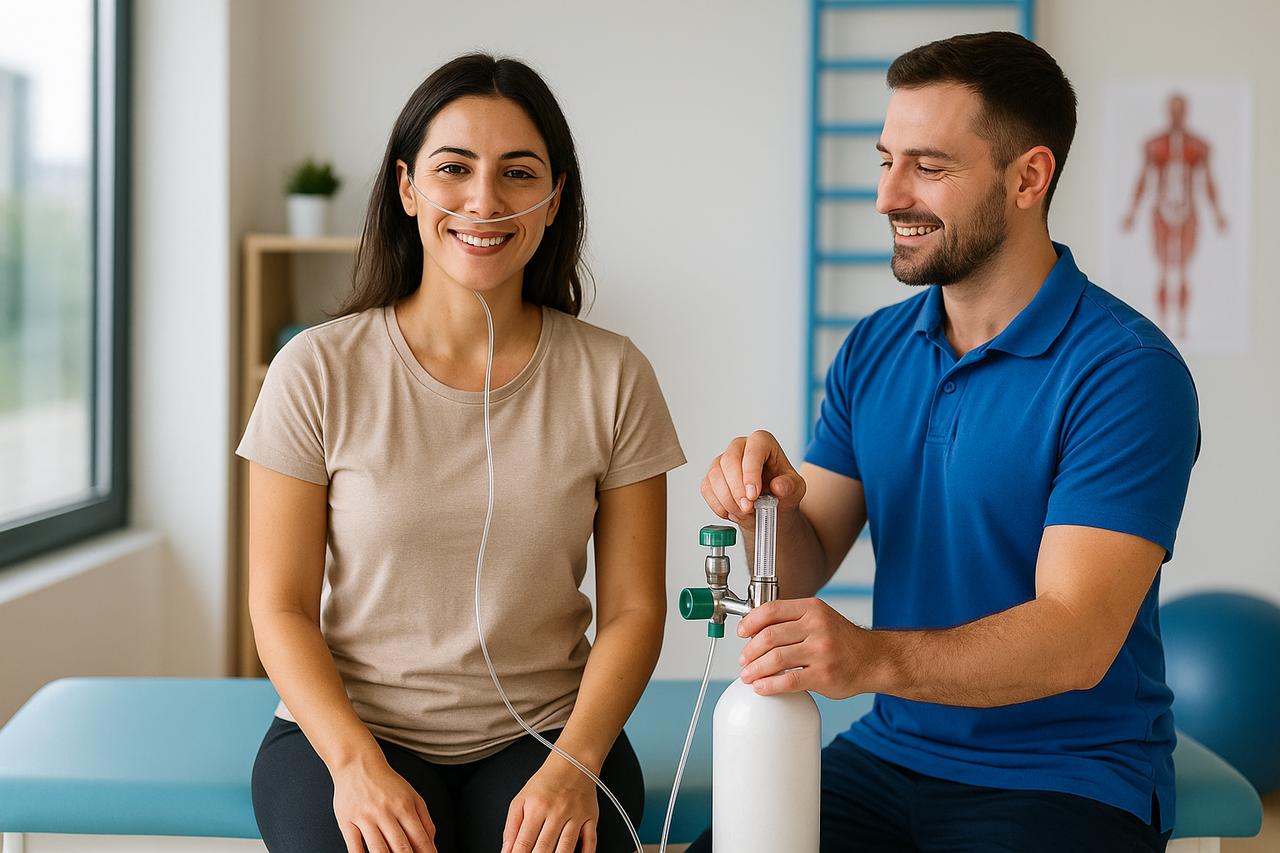
Breathing Room for Recovery: An In-Depth Look at Oxygen Therapy in Physiotherapy Treatment
For individuals grappling with respiratory conditions, recovering from surgery, or battling chronic fatigue, the simple act of breathing can feel like a monumental effort. This breathlessness often creates a frustrating cycle: low energy prevents exercise, and a lack of exercise worsens the condition. Breaking this cycle requires a specialized approach that supports the body at a fundamental cellular level. This is where the targeted application of oxygen therapy in physiotherapy treatment, a cornerstone of advanced cardiopulmonary physiotherapy, can make a profound difference. By providing the body with the enriched oxygen it needs to heal and perform, this therapy empowers patients to regain strength, endurance, and control over their lives.
Understanding the "Why": The Science Behind Oxygen in Rehabilitation
At its core, every function in the human body—from muscle contraction to cognitive thought—is fueled by oxygen. Our cells use oxygen to convert nutrients into adenosine triphosphate (ATP), the primary energy currency of the body. When lung or heart function is compromised, or when the body is under the immense stress of healing from an injury, the delivery of oxygen to tissues can become inefficient. This state, known as hypoxemia (low oxygen levels in the blood), forces the heart and lungs to work much harder to meet the body's demands, leading to breathlessness, fatigue, and a reduced capacity for physical activity.
Oxygen therapy directly addresses this deficit. By delivering a higher concentration of oxygen than is found in room air, it increases the amount of oxygen dissolved in the bloodstream. This process, known as increasing oxygen saturation (SpO2), has several critical benefits during physiotherapy:
- Reduces Physiological Strain: With more oxygen readily available, the heart doesn't have to beat as fast and breathing can become slower and more efficient. This reduces the overall workload on the cardiopulmonary system, making exercise safer and more tolerable.
- Enhances Exercise Tolerance: By preventing a significant drop in blood oxygen levels during activity, patients can engage in therapeutic exercises for longer periods and at higher intensities without debilitating breathlessness or fatigue.
- Promotes Tissue Healing: Oxygen is vital for cellular repair and regeneration. For patients recovering from surgery or significant injuries, ensuring adequate oxygen supply to the affected tissues can accelerate the healing process and reduce inflammation.
This evidence-based approach transforms rehabilitation from a struggle against the body's limitations into a collaborative process that supports its innate capacity for healing.
At Physio Cure Dubai, our doctor-led approach ensures that oxygen levels are meticulously monitored throughout every session. Your safety and optimal response to treatment are our highest priorities.
An Oxygen Therapy in Physiotherapy Treatment Guide: Who Can Benefit?
While often associated with severe respiratory illness, the application of oxygen therapy within a physiotherapy context is remarkably broad. A personalized, doctor-led assessment is crucial to determine suitability, but several patient groups stand to gain significant benefits:
- Patients with Chronic Obstructive Pulmonary Disease (COPD): For many with COPD, exertion leads to a drop in oxygen levels. Supplemental oxygen during exercise can break the cycle of breathlessness and inactivity, improving muscle strength and overall quality of life.
- Post-COVID-19 Recovery: Many "long-haulers" experience persistent breathlessness, fatigue, and reduced endurance. Oxygen therapy can support the body during rehabilitation, helping to rebuild stamina and lung capacity safely.
- Individuals with Heart Failure: By easing the workload on a compromised heart, oxygen therapy allows these patients to participate more fully in the cardiac rehab exercises essential for strengthening their cardiovascular system.
- Cystic Fibrosis Patients: Oxygen therapy can help manage exercise-induced hypoxemia, enabling patients to engage in airway clearance techniques and general fitness programs more effectively.
- Sports Injury and Post-Surgical Rehabilitation: Enhanced oxygenation reduces inflammation and swelling while accelerating the repair of damaged muscles, ligaments, and bones. This is a key component in advanced sports injury rehabilitation programs designed to get athletes back in the game safely.
- Neurological Conditions: For patients recovering from a stroke or managing conditions like Multiple Sclerosis, oxygen can support neurological function and combat the profound fatigue that often hinders participation in neuro-rehabilitation.
The Two Main Types of Oxygen Therapy in Physiotherapy
The term "oxygen therapy" encompasses different methods of delivery, each suited to different therapeutic goals. In a physiotherapy setting, two primary types are utilized to enhance patient outcomes.
1. Supplemental Oxygen Therapy
This is the most common form used during active rehabilitation. It involves breathing in oxygen at a concentration higher than room air, delivered through a lightweight nasal cannula or a face mask. The flow rate is precisely prescribed by a healthcare professional and is used *during* the physiotherapy session.
The primary goal is to maintain adequate oxygen saturation while the patient performs therapeutic exercises. This allows them to push their physical boundaries safely, building strength and endurance that would otherwise be unattainable due to breathlessness. It's a dynamic tool that turns a session from a struggle into a productive, empowering experience.
2. Hyperbaric Oxygen Therapy (HBOT)
HBOT is a more intensive form of therapy where the patient breathes 100% pure oxygen inside a pressurized chamber. The increased pressure allows the blood to absorb significantly more oxygen, which is then transported throughout the body. This "super-oxygenated" state promotes healing at a cellular level.
In the context of physiotherapy, HBOT is often used to treat complex wounds, severe infections, crush injuries, and stubborn inflammation. While not typically administered *during* an exercise session, it is used as a complementary treatment to accelerate the underlying tissue repair, enabling a patient to recover faster and engage more effectively in their physical therapy. For a broader look at its applications, oxygen therapy is also recognized for boosting overall wellness and energy.
What to Expect: Your Journey with Oxygen Therapy-Integrated Physiotherapy
Embarking on a rehabilitation program that incorporates oxygen therapy is a structured, patient-centered process. At a doctor-led clinic like Physio Cure, the journey is built on a foundation of root-cause diagnosis and 100% personalized care, ensuring the treatment is perfectly tailored to your needs.
- Comprehensive Initial Assessment: Your journey begins with a thorough evaluation by a Doctor of Physical Therapy. This includes discussing your medical history, assessing your current functional capacity, and measuring your oxygen saturation levels both at rest and during gentle activity (like walking). This critical step identifies the underlying cause of your limitations.
- Personalized Treatment Plan: Based on the assessment, a customized plan is created. This will detail the specific oxygen therapy in physiotherapy treatment exercises you will perform, the recommended oxygen flow rate, and the goals you will work towards. The plan is holistic, often combining guided exercise with manual therapy and patient education.
- Guided, Monitored Sessions: During your sessions, you will be comfortably fitted with a nasal cannula or mask. Your physiotherapist will guide you through your exercises, continuously monitoring your heart rate, oxygen saturation, and perceived exertion. They will adjust the oxygen flow and exercise intensity in real-time to ensure you are always working within a safe and effective therapeutic window.
- Education and Empowerment: A key part of the process is learning. Your therapist will teach you energy conservation strategies, proper breathing techniques, and how to self-monitor your symptoms. This education empowers you to manage your condition effectively outside the clinic, which is crucial for long-term success.
True recovery isn't just about managing symptoms; it's about empowering your body to heal and regain strength. Oxygen therapy provides the fundamental fuel for that journey.
Key Oxygen Therapy in Physiotherapy Treatment Tips for Success
To maximize the benefits of your treatment, active participation and a collaborative mindset are essential. Here are some practical tips for a successful recovery journey:
- Communicate Openly: Your feedback is invaluable. Be honest with your physiotherapist about how you are feeling. If you feel overly breathless, dizzy, or unusually fatigued, let them know immediately. This allows for real-time adjustments to your plan.
- Stay Consistent: Regular attendance at your physiotherapy sessions is crucial. The benefits of oxygen-supported exercise are cumulative, building on each other over time to improve your strength and endurance.
- Practice at Home: Apply the breathing techniques you learn in the clinic to your daily activities. Proper breathing mechanics can help manage breathlessness even when you are not using supplemental oxygen, proving useful in all aspects of life, from climbing stairs to managing back pain.
- Pace Yourself: Listen to your body. The goal is to gradually increase your activity level, not to push to the point of exhaustion. Your therapist will help you find the right balance between challenging yourself and allowing for adequate rest and recovery.
- Trust the Process: Rebuilding stamina and function takes time. There will be good days and more challenging ones. Trust in the evidence-based plan designed by your therapist and celebrate the small victories along the way.
If you are ready to stop letting breathlessness and fatigue control your life, it's time to explore a more supportive path to recovery. Learn how the doctor-led team at Physio Cure Dubai can design a personalized cardiopulmonary physiotherapy program with integrated oxygen therapy to help you breathe easier and live fuller.
Related care at Physio Cure Dubai
Doctor-led physiotherapy under the medical direction of Dr. Mina Gamil. If anything in this article sounds like you, two of our programs are most relevant:
- Specialty hub: Neurological Physiotherapy
- Treatment program: Cardiopulmonary Physiotherapy
Related care at Physio Cure Dubai
Doctor-led services for what you have just read about.
Frequently Asked Questions
What is oxygen therapy in physiotherapy?
Oxygen therapy in physiotherapy is the use of supplemental oxygen during rehabilitation sessions. It helps individuals with respiratory conditions, post-surgical recovery, or chronic fatigue to exercise more effectively by reducing breathlessness and physiological strain, thereby improving strength, endurance, and the healing process.
Who can benefit from oxygen therapy during rehabilitation?
A wide range of patients can benefit, including those with Chronic Obstructive Pulmonary Disease (COPD), individuals in post-COVID-19 recovery, patients with heart failure or cystic fibrosis, and those undergoing sports injury, post-surgical, or neurological rehabilitation.
How does oxygen therapy promote healing?
Oxygen therapy increases the amount of oxygen dissolved in the bloodstream. This reduces the workload on the heart and lungs, enhances exercise tolerance, and crucially, provides the oxygen essential for cellular repair and regeneration, which can accelerate tissue healing and reduce inflammation.
Does Physio Cure Dubai offer physiotherapy with oxygen therapy?
Yes, the article indicates that the targeted application of oxygen therapy is a cornerstone of the advanced cardiopulmonary physiotherapy programs at Physio Cure Dubai, designed to help patients regain strength and endurance.
What are the main types of oxygen therapy used in physiotherapy?
The two primary types are Supplemental Oxygen Therapy, where a patient breathes oxygen through a mask or nasal cannula during exercise, and Hyperbaric Oxygen Therapy (HBOT), a more intensive treatment where a patient breathes pure oxygen in a pressurized chamber to accelerate healing for severe injuries or inflammation.
Can I use my insurance directly at Physio Cure Dubai?
No, Physio Cure Dubai operates on a "pay upfront" model and does not offer direct billing. Patients must pay for their treatment in full and then submit the clinic-provided invoices and medical documentation to their insurer for reimbursement.
What is Physio Cure Dubai's treatment philosophy?
The clinic's philosophy is built on four principles: all treatments are doctor-led, care is 100% personalized, the focus is on diagnosing the root cause of an issue, and they use a holistic, evidence-based approach combining manual therapy with modern technology.
Are there any payment plans or discounts available at Physio Cure Dubai?
Yes, the clinic accepts Tabby for patients who wish to pay in installments. It also offers a 25% discount for Fazaa members and special offers for Alsaada members.
What should I expect during my first visit for oxygen-integrated physiotherapy at Physio Cure Dubai?
Your first visit involves a comprehensive initial assessment with a Doctor of Physical Therapy. They will evaluate your medical history, functional capacity, and measure your oxygen levels at rest and during activity to identify the root cause of your limitations before creating a personalized treatment plan.
Who are the senior physiotherapists at Physio Cure Dubai?
The senior clinical team includes Dr. Mina Gamil (Medical Director), who specializes in sports injuries and complex musculoskeletal disorders; Dr. Shaimaa Hamdalla, who focuses on women's health and chronic pain; and Dr. Talaat Abdelhakeem, who is renowned for pediatric physiotherapy and neuro-rehabilitation.
Related Articles

Cupping Therapy: Natural Stress & Anxiety Relief Guide
Discover how cupping therapy eases stress, reduces anxiety and unlocks relaxation by boosting circulation while calming your nervous system. Learn more now.
14 min read

When to Consider Dry Needling Therapy for Pain Relief
Discover when dry needling therapy beats stretching and massage. Learn how it releases stubborn trigger points and why doctor-led care delivers lasting relief.
14 min read

Staying Active Through Dubai's Summer Heat: A Physiotherapist's Guide
Staying active in Dubai summer can be safe with smart timing, hydration, indoor options, and physiotherapist tips for heat-aware daily exercise routines.
8 min read