Massage Techniques for TMJ Jaw Pain Relief
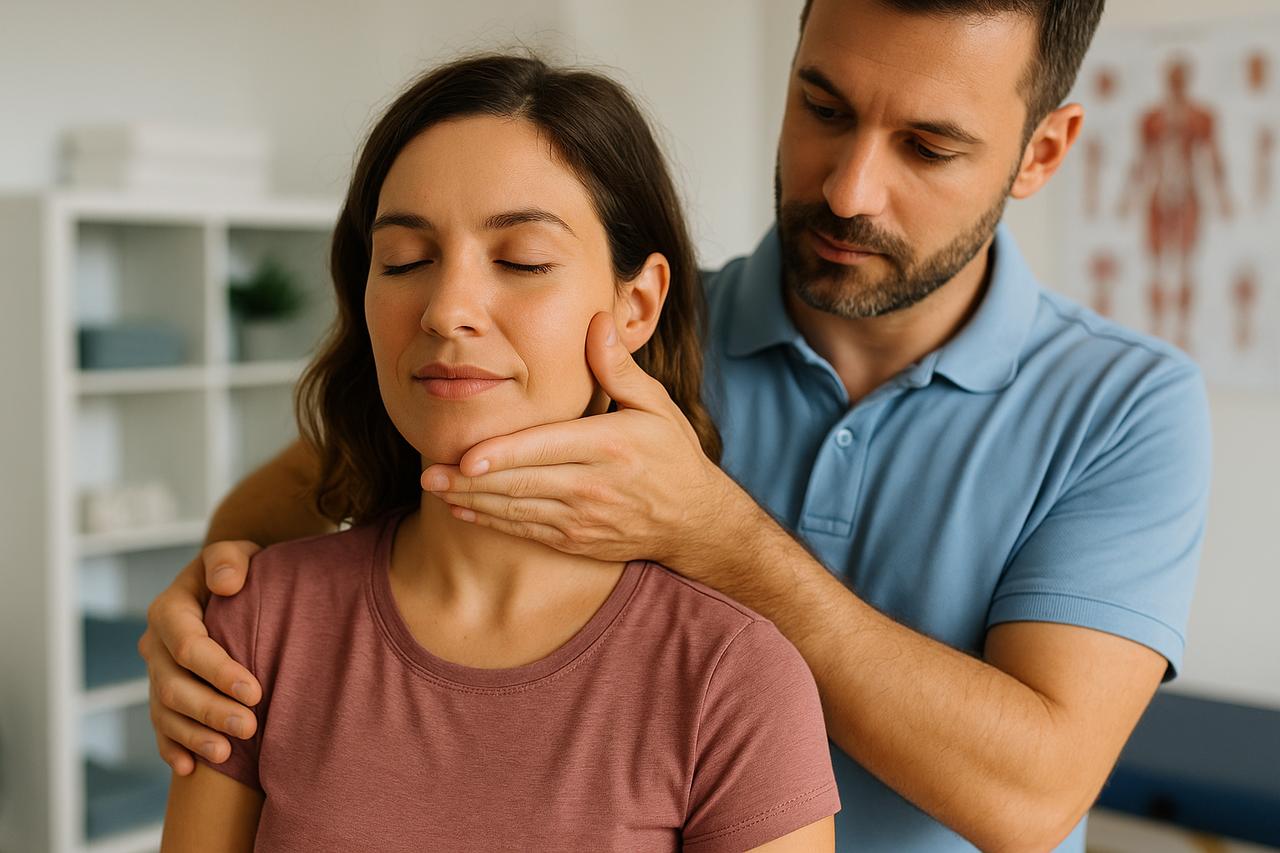
Find Lasting Relief: Your Ultimate Guide to Massage Techniques for TMJ Pain
That persistent ache in your jaw, the frustrating click every time you chew, the tension headaches that seem to come from nowhere—living with Temporomandibular Joint (TMJ) dysfunction can be debilitating. It affects how you eat, speak, and even express yourself. While the search for relief can feel endless, there is a powerful, effective, and non-invasive solution you can start using today. This comprehensive guide explores the specific, doctor-led massage techniques for TMJ pain that can release muscle tension, improve jaw mobility, and help you reclaim a life free from discomfort. At Physio Cure Dubai, we believe in empowering you with the knowledge to manage your symptoms and understand the path to lasting recovery.
Understanding TMJ Pain: More Than Just a Clicking Jaw
The temporomandibular joint is one of the most complex joints in your body, acting as a sliding hinge connecting your jawbone to your skull. TMJ disorders (TMD) can arise from a variety of factors, including jaw injury, arthritis, genetics, and—most commonly—muscle fatigue from habitual clenching or grinding of the teeth (bruxism), often linked to stress. The pain you feel is frequently not from the joint itself, but from the overworked and inflamed muscles surrounding it. This is why a targeted jaw pain treatment plan must focus on these muscles. At Physio Cure Dubai, our core philosophy is to perform a root-cause diagnosis. We don't just chase symptoms; we investigate why the muscles are overworking in the first place. Is it poor posture putting strain on your neck and jaw? Is it a bite misalignment? By understanding the underlying issue, we can create a 100% personalized care plan that provides not just temporary relief, but a long-term solution.
The Anatomy of Relief: Key Muscles to Target
To perform effective TMJ massage, you need to know your targets. The pain and dysfunction are often caused by trigger points—hyper-irritable knots—in a few key muscles. Focusing your efforts here will yield the best results.
- Masseter Muscle: This is the primary chewing muscle, a thick, powerful muscle located on the side of your face, from your cheekbone down to your lower jaw. When you clench your teeth, you can feel it bulge. Due to its power and frequent use, it's the most common culprit for TMJ-related pain, often referring pain to the teeth, ear, and sinuses.
- Temporalis Muscle: A large, fan-shaped muscle situated on each side of your head, covering your temples. It's heavily involved in closing the jaw and clenching. Tension in the temporalis is a very common cause of tension headaches that are often mistaken for migraines.
- Medial and Lateral Pterygoids: These are deeper muscles located on the inside of your jaw, more difficult to access but crucial for jaw movement. The lateral pterygoid helps open the jaw and move it side-to-side, while the medial pterygoid assists in closing it. Tension here can cause pain deep in the face and restrict your ability to open your mouth fully.
Pro Tip: Always begin with light pressure and gradually increase as your muscles relax. If you feel sharp pain, ease off immediately. The goal is relief, not more discomfort. Use a mirror initially to ensure you are targeting the correct areas.
Your At-Home Protocol: Step-by-Step Massage Techniques for TMJ Pain
Before you begin, wash your hands thoroughly, especially if you plan to do any intraoral massage. Find a comfortable, quiet place where you can relax. You can apply a warm compress to your jaw for 5-10 minutes beforehand to help relax the muscles and improve blood flow.
-
Masseter Muscle Release:
Place the pads of two or three fingers on your masseter muscle. If you're unsure of its location, clench your teeth and you'll feel it contract. Apply gentle, firm pressure and move your fingers in slow, circular motions. Explore the entire muscle for tender spots. When you find a trigger point, hold firm pressure on it for 30-60 seconds until you feel the tension release. Repeat this with your mouth slightly open to stretch the muscle fibers as you massage. -
Temporalis Tension Tamer:
Place your fingertips on your temples. Apply gentle pressure and make small circular motions, as if you were shampooing your hair. Slowly work your way across the entire muscle, from just above your cheekbones up to the sides of your forehead. Many people hold a surprising amount of tension here, and this technique can provide immediate relief from associated headaches. -
Intraoral Pterygoid & Masseter Massage:
This is one of the most effective techniques for deep jaw pain. It may feel strange at first, so proceed gently. With a clean finger or a gloved hand, insert your thumb inside your mouth into the fleshy part of your cheek. Your index finger will remain on the outside of your cheek. Gently "pinch" the masseter muscle between your thumb and finger, searching for tender knots. Hold pressure on any knots you find. To target the pterygoids, slide your thumb further back and up along the inside of your upper teeth. You are looking for a tender spot deep inside. Apply gentle, sustained pressure for 30 seconds. -
Jawline Stripping:
Using your index finger or thumb, apply firm pressure just under your cheekbone at the start of the masseter muscle. Slowly drag or "strip" your finger down towards the edge of your jawline. Repeat this motion 5-6 times across the muscle. This helps to lengthen the muscle fibers and release widespread tightness.
Boosting Your Results with TMJ Physiotherapy Exercises
Massage is fantastic for releasing tension, but combining it with gentle strengthening and mobility exercises creates a more comprehensive approach. These massage techniques for tmj pain exercises help re-educate the jaw muscles for better function.
- Resisted Opening: Place two fingers under your chin and apply gentle upward pressure. Slowly open your mouth against this resistance, hold for 5 seconds, and then slowly close. Repeat 5-10 times.
- Goldfish Exercise (Partial Opening): Place one finger on your TMJ and another on your chin. Let your jaw drop halfway down and then close. The movement should be smooth and straight. This helps with joint mobility. Perform 6 repetitions in a set, 6 times a day.
- Tongue Up Posture: Rest the tip of your tongue on the roof of your mouth, just behind your front teeth. Allow your teeth to come apart while keeping your lips gently closed. This simple posture helps relax the jaw muscles throughout the day.
Consistency is key for lasting relief. Aim to perform these gentle massages for 3-5 minutes, a few times daily when pain is acute, or 2-3 times per week for maintenance. Listen to your body and adapt as needed.
When Self-Care Isn't Enough: The Role of Professional TMJ Manual Therapy
While at-home massage is a vital tool, some conditions require professional intervention. If your pain persists for more than two weeks, is severe, causes your jaw to lock, or is accompanied by significant headaches, it's crucial to seek a professional evaluation. This is where TMJ physiotherapy comes in. A doctor of physical therapy, like our specialists at Physio Cure Dubai, can perform a comprehensive assessment to identify the true root cause of your dysfunction. Often, jaw pain is linked to issues in the cervical spine (neck) and upper back posture—a connection that self-treatment might miss. Poor posture can lead to a forward head position, which strains the neck muscles and, in turn, the muscles of the jaw. This is why a holistic approach is so critical, sometimes even involving specific exercises for back pain treatment to correct the foundational problem.
Professional TMJ manual therapy involves advanced hands-on techniques that are more precise and targeted than self-massage. A therapist can access deep muscles like the pterygoids more effectively and use modalities such as Dry Needling or Acupuncture to release stubborn trigger points. As detailed by experts in the field, a physical therapist can provide an integrated treatment plan that includes manual therapy, exercise, and education. For more insights into professional approaches, you can explore this excellent resource on temporomandibular joint massage.
Ready to move beyond temporary fixes and find the root cause of your jaw pain? Our doctor-led team at Physio Cure Dubai specializes in advanced TMJ Manual Therapy to create a personalized plan for your lasting relief. Contact us today to begin your journey to a pain-free life.
Related care at Physio Cure Dubai
Doctor-led physiotherapy under the medical direction of Dr. Mina Gamil. If anything in this article sounds like you, two of our programs are most relevant:
- Specialty hub: Orthopedic Physiotherapy
- Treatment program: TMJ and Jaw Pain Therapy
Related care at Physio Cure Dubai
Doctor-led services for what you have just read about.
Frequently Asked Questions
What causes TMJ pain?
TMJ disorders can arise from jaw injury, arthritis, genetics, or most commonly, muscle fatigue from habitual teeth clenching or grinding (bruxism), often linked to stress. The pain is frequently caused by overworked and inflamed muscles surrounding the jaw joint rather than the joint itself.
What are the key muscles to massage for TMJ relief?
The primary muscles to target for TMJ pain relief are the masseter (the main chewing muscle on the side of the face), the temporalis (a fan-shaped muscle on the temples), and the deeper medial and lateral pterygoids (located inside the jaw).
Can I perform TMJ massage on myself at home?
Yes, you can perform at-home massages. Techniques include using your fingers to apply gentle, circular pressure to the masseter and temporalis muscles, as well as performing an intraoral massage by carefully pinching the masseter between your thumb (inside the mouth) and index finger (outside).
When should I see a professional for TMJ pain?
You should seek a professional evaluation if your jaw pain is severe, persists for more than two weeks, causes your jaw to lock, or is accompanied by significant headaches. A professional can diagnose underlying causes, such as neck and posture issues, that self-treatment might miss.
How does Physio Cure Dubai approach TMJ treatment?
Physio Cure Dubai uses a "root-cause diagnosis" approach. Their doctors of physical therapy conduct a comprehensive assessment to find the underlying cause of the TMJ dysfunction—such as poor posture or muscle imbalance—to create a 100% personalized care plan for lasting relief, not just symptom management.
What kind of professionals provide treatment at Physio Cure Dubai?
All treatments at Physio Cure Dubai are doctor-led. Assessments, diagnoses, and hands-on therapy are performed by licensed practitioners holding advanced degrees, such as a Doctor of Physical Therapy (DPT), not by technicians.
Does Physio Cure Dubai accept direct insurance billing?
No, Physio Cure Dubai does not offer direct billing. The clinic operates on a "pay upfront" model where patients pay for services in full and are then provided with all necessary invoices and medical documentation to submit a claim to their insurance provider for reimbursement.
What are some exercises that can help with TMJ pain?
Gentle exercises can complement massage for TMJ relief. These include the "Resisted Opening" (opening your mouth against gentle resistance), the "Goldfish Exercise" (partially opening and closing the jaw smoothly), and maintaining a "Tongue Up Posture" to relax the jaw muscles.
Besides hands-on therapy, what other treatments might be used for TMJ at Physio Cure Dubai?
In addition to their cornerstone of manual (hands-on) therapy, therapists at Physio Cure Dubai may use advanced modalities like Dry Needling, Acupuncture, or Cupping Therapy to release stubborn trigger points and relieve muscle tension associated with TMJ disorders.
Are there any payment plans or discounts available at Physio Cure Dubai?
Yes, Physio Cure Dubai offers installment plans through Tabby, allowing patients to spread costs over several months. The clinic also provides discounts for members of loyalty programs, including a 25% discount for Fazaa members and offers for Alsaada members.
Related Articles
Stress Management: Path to Lasting Headache Relief
Discover evidence-based stress management—mindful breathing, exercise, better sleep, and physiotherapy—to break the headache cycle and gain lasting relief.
12 min read

Diet & Nutrition Tips for Fibromyalgia Patients
Discover anti-inflammatory foods, trigger pitfalls, and holistic strategies to ease fibromyalgia pain, fatigue, and brain fog. Start eating for relief today.
11 min read

How Posture Affects TMJ Jaw Pain
Forward head posture can load the jaw, neck and chewing muscles. Learn how doctor-led TMJ physiotherapy assesses posture and treats jaw pain safely.
8 min read