Lifestyle Strategies for Migraine Prevention

Reclaiming Your Days: A Comprehensive Guide to Lifestyle Modifications for Migraine Prevention
Living with migraines can feel like navigating a minefield. The unpredictable nature of attacks—the throbbing pain, sensitivity to light and sound, nausea—can disrupt your career, relationships, and overall quality of life. While medication can be a crucial part of management, true, long-term relief often lies in a proactive approach. By embracing targeted lifestyle modifications, you can significantly reduce the frequency, severity, and duration of your migraines. At Physio Cure Dubai, our doctor-led philosophy centers on empowering you with these tools. We believe that understanding and implementing effective lifestyle modifications for migraine prevention is the first step toward reclaiming control and living a life defined by wellness, not pain.
The Foundation of Stability: Mastering Your Daily Rhythms
The migraine brain thrives on consistency. Sudden changes in routine, whether in sleep, diet, or stress levels, can be powerful triggers. Establishing a predictable daily rhythm is perhaps the most impactful lifestyle modification you can make. It’s not about rigidity; it’s about creating a stable internal environment that is less susceptible to the triggers that initiate a migraine attack. This foundational stability provides the bedrock upon which all other preventative measures can be built.
Prioritizing Consistent Sleep
Sleep and migraines share a complex, bidirectional relationship. Poor sleep can trigger migraines, and migraines can severely disrupt sleep. Breaking this cycle is paramount. The goal is to regulate your body's internal clock, or circadian rhythm. Aim for 7-9 hours of quality sleep per night by adhering to a strict schedule—going to bed and waking up at the same time every single day, even on weekends and holidays. This consistency is more important than the total hours slept. To enhance your sleep quality, consider these practices:
- Create a Restful Environment: Ensure your bedroom is dark, quiet, and cool. Blackout curtains, a white noise machine, or earplugs can be invaluable tools.
- Establish a Wind-Down Routine: In the hour before bed, disconnect from screens (phones, tablets, TVs) whose blue light can interfere with melatonin production. Instead, opt for calming activities like reading a book, taking a warm bath, gentle stretching, or listening to relaxing music.
- Be Mindful of Naps: If you need to nap, keep it short (20-30 minutes) and avoid napping late in the afternoon, as it can disrupt your nighttime sleep schedule.
- Avoid Evening Stimulants: Refrain from consuming caffeine, nicotine, and alcohol in the hours leading up to bedtime. While alcohol might make you feel drowsy initially, it often leads to fragmented, poor-quality sleep later in the night.
Fueling for Prevention: Diet and Hydration
What and when you eat can have a profound impact on migraine frequency. Fluctuations in blood sugar are a well-known trigger. Skipping meals or going for long periods without food can cause your blood sugar to drop, which can promptly initiate a migraine attack. To avoid this, eat regular, balanced meals and snacks throughout the day. Instead of three large meals, some people find that five or six smaller meals help keep their energy and blood sugar levels stable.
Hydration is equally critical. Dehydration, even mild, can trigger headaches and migraines. Carry a water bottle with you and sip consistently throughout the day, rather than drinking large amounts at once. Pay extra attention to your fluid intake during hot weather or when exercising.
Pro Tip: Keep a detailed food and headache diary. Track everything you eat and drink, along with the timing of your migraine attacks. This can help you identify personal food triggers, which can vary widely from person to person. Common culprits include aged cheeses, processed meats, caffeine, alcohol (especially red wine), and artificial sweeteners like aspartame.
Movement as Medicine: The Power of Physiotherapy for Headaches
When you're in pain, exercise might be the last thing on your mind. However, regular, moderate physical activity is a proven strategy for migraine prevention. Exercise releases endorphins, your body's natural painkillers, and helps reduce stress and improve sleep quality—all of which contribute to fewer migraine attacks. Research suggests that aerobic exercise performed 3-5 times a week can be as effective as some preventative medications.
The key is finding the right type and intensity of exercise for you. High-impact or overly strenuous workouts can sometimes trigger a migraine. That's where expert guidance becomes invaluable. A physiotherapist specializing in headache and migraine management can help you develop a safe and effective exercise plan. This is a core component of our evidence-based approach at Physio Cure Dubai, where we design 100% personalized care plans. We often recommend starting with low-impact aerobic activities such as:
- Brisk walking
- Swimming or water aerobics
- Cycling (on a stationary bike or outdoors on a flat surface)
- Using an elliptical machine
As your tolerance improves, the intensity and duration can be gradually increased. The goal is consistency, not intensity.
Addressing the Root Cause: Neck and Posture Techniques
Many people are surprised to learn that their chronic headaches and migraines are directly linked to underlying musculoskeletal issues. In our modern, screen-focused lives, poor posture, neck strain, and jaw tension are rampant. These issues can lead to what are known as cervicogenic headaches, where the pain originates in the neck, but they can also be significant triggers for classic migraines. This is where a doctor-led physiotherapy clinic excels by focusing on root-cause diagnosis rather than just symptom management.
The Importance of Jaw & Cervical Alignment
The intricate network of nerves and muscles in your neck and jaw (the temporomandibular joint, or TMJ) can refer pain to your head when they are tight, inflamed, or misaligned. Forward head posture, a common result of long hours at a desk or on a phone, places immense strain on the cervical spine. This can irritate nerves at the base of the skull, a common starting point for migraine pain.
At Physio Cure Dubai, our senior physiotherapists, like Dr. Mina Gamil and Dr. Shaimaa Hamdalla, are experts in assessing and treating these complex musculoskeletal disorders. A comprehensive assessment will evaluate your posture, spinal mobility, muscle strength, and jaw function to identify the true source of your pain. Treatment often involves a combination of:
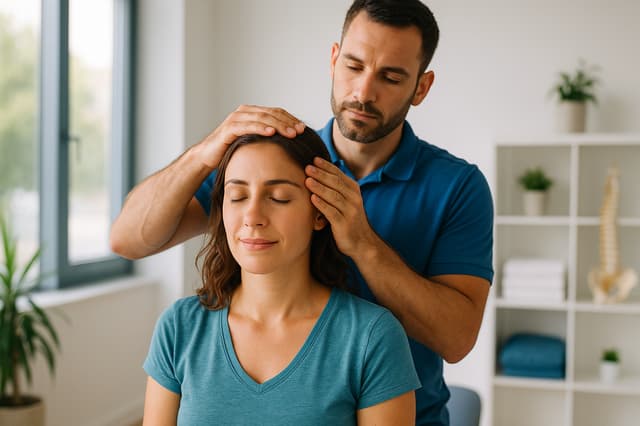
- Manual (Hands-On) Therapy: Skilled joint mobilization and soft tissue manipulation to restore proper movement in the cervical spine and release muscle tension.
- Postural Re-education: Guided exercises and ergonomic advice to correct posture and reduce daily strain on your neck and shoulders.
- Dry Needling or Acupuncture: Advanced techniques to release deep trigger points in the neck, shoulder, and facial muscles that contribute to headache patterns.
- Therapeutic Exercises: Specific strengthening and stretching exercises to improve neck stability and flexibility, preventing future issues.
Pain is a signal, not the problem itself. By focusing on improving neck and posture techniques, we address the underlying structural imbalances that often perpetuate the migraine cycle, leading to more sustainable, long-term relief.
Mastering Your Mind and Environment to Mitigate Triggers
Stress is one of the most commonly reported migraine triggers. When you're stressed, your body releases chemicals like cortisol and adrenaline, which can provoke a "fight or flight" response and make you more susceptible to a migraine attack. Learning to manage stress is not about eliminating it entirely—an impossible task—but about developing effective coping mechanisms. Techniques like mindfulness meditation, deep breathing exercises, yoga, and tai chi can help calm the nervous system and build resilience to stress.
Equally important is managing your exposure to environmental triggers. This might include:
- Sensory Overload: Bright or flickering lights, loud noises, and strong smells can all be triggers. Wearing sunglasses (even indoors), using noise-canceling headphones, and avoiding strong perfumes or cleaning products can help.
- Weather Changes: Shifts in barometric pressure, extreme heat, or bright sun can trigger migraines in some individuals. While you can't control the weather, being aware of the forecast can help you prepare by being extra diligent with your other preventative strategies on high-risk days.
- Screen Time: The glare and blue light from digital screens can cause eye strain and trigger headaches. Take regular breaks using the 20-20-20 rule (every 20 minutes, look at something 20 feet away for 20 seconds), and consider using a blue light filter on your devices.
For more insights from experts on how these various changes can impact your life, you can explore detailed resources and discussions such as those provided by the Association of Migraine Disorders. Becoming a detective of your own condition is a powerful step. A migraine diary is your most important tool here, allowing you to connect the dots between your daily activities, your environment, and your migraine attacks.
Your Partner in Prevention: Why a Holistic Approach Matters
Making these lifestyle modifications for migraine prevention relief can feel overwhelming, but you don't have to do it alone. The right healthcare partner can make all the difference. At Physio Cure Dubai, we believe in a collaborative, holistic, and evidence-based approach. Our patient journey is designed to empower you, starting with a comprehensive assessment to diagnose the root cause of your condition. We then craft a 100% personalized treatment plan that integrates hands-on therapy, guided exercise, and, crucially, patient education.
We teach you the 'why' behind each recommendation, helping you understand your body and your triggers. This commitment to education and active patient participation is why our model may not be the best fit for those seeking a passive, "quick fix." True, lasting relief comes from a dedicated partnership between a knowledgeable clinician and a committed patient. By integrating these powerful lifestyle strategies with expert physiotherapy, you can fundamentally change your relationship with migraines and build a healthier, more vibrant future.
Ready to take control of your migraines? Discover how our personalized, doctor-led approach can help you. Learn more about our Vestibular Migraine Rehabilitation program and book your initial assessment today!
Related care at Physio Cure Dubai
Doctor-led physiotherapy under the medical direction of Dr. Mina Gamil. If anything in this article sounds like you, two of our programs are most relevant:
- Specialty hub: Neurological Physiotherapy
- Treatment program: Neck Pain Treatment
Related care at Physio Cure Dubai
Doctor-led services for what you have just read about.
Frequently Asked Questions
What are the most effective lifestyle modifications for migraine prevention?
The most effective lifestyle modifications focus on creating consistency. This includes maintaining a strict sleep schedule, eating regular balanced meals to stabilize blood sugar, staying well-hydrated, engaging in moderate aerobic exercise, and actively managing stress and environmental triggers like bright lights or loud noises.
How can physiotherapy help treat headaches and migraines?
Physiotherapy can help by diagnosing and treating underlying musculoskeletal issues, particularly in the neck and jaw, which are common root causes of headaches. A physiotherapist develops a personalized plan that may include manual therapy to improve joint mobility, postural re-education, specific exercises for strength and flexibility, and advanced techniques like Dry Needling to release muscle trigger points.
What is Physio Cure Dubai's approach to treating migraines?
Physio Cure Dubai uses a doctor-led, holistic approach that focuses on identifying the root cause of the migraines. After a comprehensive assessment, they create a 100% personalized treatment plan that integrates hands-on manual therapy, guided exercise, patient education, and advanced modalities to address underlying musculoskeletal and postural issues contributing to the headaches.
Can diet and hydration really prevent migraines?
Yes, diet and hydration are critical. Skipping meals can cause a drop in blood sugar, a well-known migraine trigger, so eating regular meals is important. Similarly, even mild dehydration can trigger migraines, making it essential to drink water consistently throughout the day.
What is a cervicogenic headache?
A cervicogenic headache is a type of referred pain, meaning the pain is felt in the head, but the problem originates in the neck. It is caused by issues with the bones, discs, or soft tissues of the cervical spine, often resulting from poor posture or neck strain that irritates nerves at the base of the skull.
Which specialists at Physio Cure Dubai treat complex headaches?
The clinic's senior physiotherapists, Dr. Mina Gamil and Dr. Shaimaa Hamdalla, are experts in treating the conditions that often cause headaches. Dr. Gamil specializes in Complex Musculoskeletal Disorders, while Dr. Hamdalla's specializations include Chronic Pain Management and Postural Dysfunctions.
What kind of exercise is safe for people who suffer from migraines?
Regular, moderate, low-impact aerobic exercise is considered safe and effective for migraine prevention. Activities such as brisk walking, swimming, cycling on a stationary bike, or using an elliptical machine are recommended. High-impact or overly strenuous workouts can sometimes be a trigger and should be approached with caution.
How does sleep affect migraines?
Sleep and migraines have a bidirectional relationship; poor sleep can trigger a migraine, and a migraine can disrupt sleep. To prevent attacks, it is crucial to regulate the body's internal clock by aiming for 7-9 hours of sleep and adhering to a consistent schedule of going to bed and waking up at the same time every day, including on weekends.
Does Physio Cure Dubai offer direct billing to insurance companies?
No, Physio Cure Dubai does not offer direct insurance billing. The clinic operates on a 'pay upfront' model. Patients are required to pay for their services in full and are then provided with all the necessary invoices and medical documentation to submit a claim to their insurance provider for reimbursement.
What are common environmental triggers for migraines?
Common environmental triggers include sensory overload from bright or flickering lights, loud noises, and strong smells. Changes in weather, especially shifts in barometric pressure, can also provoke an attack. Additionally, prolonged screen time can cause eye strain and act as a trigger.
Related Articles

How Posture Affects TMJ Jaw Pain
Forward head posture can load the jaw, neck and chewing muscles. Learn how doctor-led TMJ physiotherapy assesses posture and treats jaw pain safely.
8 min read

Tennis Elbow: Causes, Symptoms, and How Physiotherapy Treats It
Learn how tennis elbow treatment with physiotherapy can ease tendon load, improve strength, and support recovery from elbow pain in daily tasks at home.
9 min read
Stress Management: Path to Lasting Headache Relief
Discover evidence-based stress management—mindful breathing, exercise, better sleep, and physiotherapy—to break the headache cycle and gain lasting relief.
12 min read