Stress-Triggered TMJ Pain: Doctor-Led Physiotherapy Relief
The Unseen Connection: How Stress Triggers and Worsens Your TMJ Pain
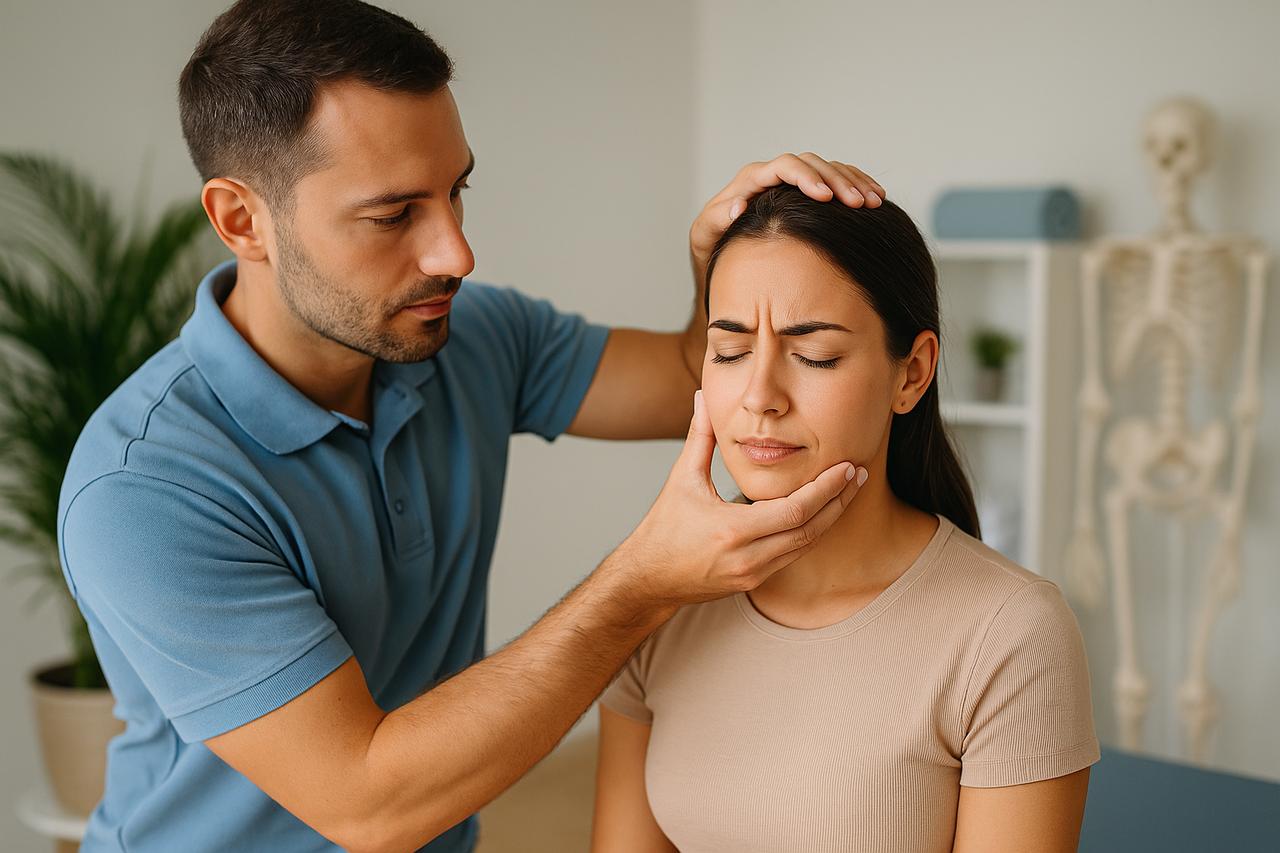
That persistent ache in your jaw, the clicking sound when you chew, the tension headaches that seem to come from nowhere—these are more than just minor annoyances. They are often signs of Temporomandibular Joint (TMJ) dysfunction, a condition that can significantly impact your quality of life. While many factors can contribute to TMJ issues, one of the most powerful and often overlooked culprits is chronic stress. Understanding how stress affects TMJ pain is the first critical step toward finding lasting relief. At Physio Cure Dubai, our doctor-led team specializes in diagnosing the root cause of your discomfort and providing targeted, hands-on treatments like expert TMJ manual therapy to break the cycle of pain and tension.
The Vicious Cycle of Stress and Jaw Pain: More Than Just a Feeling
When you experience stress, your body initiates a "fight or flight" response, releasing hormones like cortisol and adrenaline. This physiological reaction causes your muscles to tense up, preparing for a perceived threat. While this is a helpful survival mechanism in the short term, modern life often exposes us to prolonged periods of stress. This chronic tension frequently settles in the muscles of the neck, shoulders, and, most notably, the jaw. This constant state of heightened muscle activity creates a debilitating feedback loop. Stress leads to jaw clenching and teeth grinding (a condition known as bruxism), which in turn inflames the TMJ and surrounding muscles, causing pain. This physical pain then becomes another source of stress, causing you to clench even more, further intensifying the symptoms. Breaking this cycle requires an approach that addresses both the physical manifestations and the underlying stressors.
How Stress Physically Sabotages Your Jaw Joint
The link between your mental state and physical discomfort is profound. The temporomandibular joint is a complex structure of bone, cartilage, and muscle that can be highly sensitive to the body's overall condition. Here’s a closer look at the specific ways stress wreaks havoc on your jaw:
- Involuntary Muscle Contraction (Bruxism): The most direct impact of stress is bruxism. Many people unconsciously clench their jaw or grind their teeth when stressed, especially during sleep. This places enormous force on the TMJ, leading to muscle fatigue, inflammation, wear and tear on the joint cartilage, and significant pain.
- Heightened Pain Perception: Stress alters your brain's chemistry, making you more sensitive to pain. A minor ache that you might otherwise ignore can feel debilitating when you are under stress. This neurological sensitization means the pain signals from your jaw are amplified, making the condition feel much worse.
- Disrupted Sleep and Healing: Stress often leads to poor sleep quality. During deep sleep, your body performs essential repair and recovery functions. When sleep is disrupted, muscles don't get the chance to relax and heal, leading to increased morning stiffness and pain in the jaw.
- Poor Posture: When stressed, people often adopt a forward-head posture, hunching their shoulders. This position strains the muscles in the neck and upper back, which are functionally connected to the jaw muscles. This postural strain can directly contribute to or worsen TMJ dysfunction.
According to dental experts, there is a clear connection between stress and TMJ disorders, as prolonged muscle tension can lead to long-term joint damage if left unaddressed. This highlights the importance of seeking professional evaluation.
Quick Tip: Pay attention to your jaw position during the day. Is it clenched? Are your teeth touching? Consciously try to keep your lips together and your teeth slightly apart to give your jaw muscles a break. This small act of mindfulness can reduce significant strain.
Recognizing the Red Flags: Is Stress the Root of Your TMJ Pain?
Stress-induced TMJ pain doesn't always present as a simple ache. The symptoms can be varied and sometimes appear in unexpected places, making it difficult to pinpoint the source. If you are experiencing a period of high stress and notice any of the following symptoms, they could be related to TMJ dysfunction:
- Jaw Sounds: Clicking, popping, or grating sounds when you open or close your mouth.
- Pain and Tenderness: Aching pain in and around your ear, in your jaw joint, or in the muscles of your face, neck, and shoulders.
- Limited Movement: Difficulty chewing, a "locked" jaw that is hard to open or close, or a feeling of stiffness in the joint.
- Headaches and Earaches: Frequent tension-style headaches, migraines, or a deep ache within the ear that isn't caused by an infection.
- Facial Fatigue: A tired or heavy feeling in your face, especially upon waking.
If these symptoms worsen during stressful periods at work or in your personal life, it's a strong indicator that stress is a primary contributing factor. Ignoring these signs can lead to chronic pain and more complex joint issues over time, making early intervention crucial.
Your Path to Relief: Effective TMJ Physiotherapy and Management Strategies
Managing stress-related TMJ pain requires a dual-pronged approach: relieving the physical symptoms and managing the underlying stress. A comprehensive jaw pain treatment plan, led by a qualified physiotherapist, is the most effective way to achieve this. At Physio Cure Dubai, we focus on a holistic, evidence-based model that empowers you to regain control.
The Role of Specialized TMJ Physiotherapy
Generic exercises or simple massages are often not enough. Effective TMJ physiotherapy must be precise, personalized, and performed by a skilled practitioner. Our doctor-led team, including specialists like Dr. Mina Gamil, is trained to perform a thorough assessment to identify the exact muscles and joint mechanics causing your pain. Treatment often includes:
- TMJ Manual Therapy: This is the cornerstone of effective treatment. It involves skilled, hands-on techniques to release tight jaw muscles (both inside and outside the mouth), improve joint mobility, and reduce pain.
- Targeted Exercises: You will be taught specific how stress affects tmj pain exercises designed to strengthen weak jaw muscles, improve coordination, and promote relaxation. These are not generic stretches but prescribed movements tailored to your condition.
- Advanced Modalities: To accelerate healing, we may integrate modern techniques such as Dry Needling to release deep trigger points in the jaw and neck muscles, or Cupping Therapy to improve blood flow and reduce muscle tension.
- Patient Education: A critical component is learning what triggers your pain. We educate you on posture correction, ergonomic adjustments, and relaxation techniques to manage stress and prevent future flare-ups.
Professional Guidance is Key: While online exercises can seem helpful, improper technique can worsen TMJ pain. A physiotherapist can ensure you are performing movements correctly and safely, targeting the right muscles for maximum benefit and minimal risk.
Why a Doctor-Led Approach Matters for Your Jaw Pain
At Physio Cure Dubai, we pride ourselves on being a premier doctor-led physiotherapy clinic. This means your entire journey—from assessment to treatment—is handled by a licensed Doctor of Physical Therapy, not a technician. This distinction is vital for complex conditions like TMJ dysfunction. Our philosophy is built on finding and treating the root cause for lasting relief, not just masking symptoms. We create 100% personalized care plans that consider your unique anatomy, lifestyle, and goals. By combining compassionate, hands-on care with innovative technology and evidence-based practices, we set a new standard for patient outcomes and wellness excellence. We understand the frustration and pain that TMJ dysfunction causes, and our mission is to empower you to live your healthiest, most comfortable life.
Don't let jaw pain control your life. Understand how stress affects your TMJ and take the first step towards lasting relief with our expert-led TMJ manual therapy. Contact Physio Cure Dubai today to book your comprehensive assessment and start your journey to recovery.
Related care at Physio Cure Dubai
Doctor-led physiotherapy under the medical direction of Dr. Mina Gamil. If anything in this article sounds like you, two of our programs are most relevant:
- Specialty hub: Orthopedic Physiotherapy
- Treatment program: TMJ and Jaw Pain Therapy
Related care at Physio Cure Dubai
Doctor-led services for what you have just read about.
Frequently Asked Questions
How does stress cause or worsen jaw pain?
Stress triggers the body's "fight or flight" response, causing muscles to tense up. This chronic tension often leads to involuntary jaw clenching and teeth grinding (bruxism), which inflames the temporomandibular joint (TMJ) and surrounding muscles. Stress also increases pain perception and can disrupt sleep, hindering the body's natural healing process.
What are the main symptoms of TMJ dysfunction?
Common symptoms include an aching pain in or around the jaw, ear, and face; clicking, popping, or grating sounds when opening the mouth; difficulty chewing; a locked or stiff jaw; and frequent tension headaches or earaches. Facial fatigue, especially upon waking, is also a sign.
What treatments does Physio Cure Dubai offer for TMJ pain?
Physio Cure Dubai uses a multi-faceted approach for TMJ pain, centered on TMJ Manual Therapy, which involves skilled hands-on techniques. This is complemented by targeted exercises, patient education on posture, and advanced modalities like Dry Needling and Cupping Therapy to release deep muscle tension.
Can poor posture from stress affect my jaw?
Yes. When stressed, people often adopt a forward-head posture with hunched shoulders. This strains neck and upper back muscles, which are functionally connected to the jaw muscles. This postural strain can directly contribute to or worsen TMJ dysfunction and pain.
What is a "doctor-led" physiotherapy clinic?
At Physio Cure Dubai, a "doctor-led" clinic means that all assessment, diagnosis, and treatment are performed by licensed practitioners holding advanced degrees like a Doctor of Physical Therapy, not by assistants or technicians. This ensures a higher level of expertise in diagnosing the root cause of a patient's problem.
Does Physio Cure Dubai accept direct insurance billing for TMJ treatment?
No, Physio Cure Dubai operates on a "pay upfront" model and does not offer direct billing. Patients must pay for their services in full and will then be provided with all necessary invoices and medical documentation to submit a claim to their own insurer for reimbursement.
Who specializes in complex musculoskeletal disorders at Physio Cure Dubai?
Dr. Mina Gamil, the Medical Director, holds a Doctor of Physical Therapy degree and specializes in Sports Injuries and Complex Musculoskeletal Disorders, making him a key practitioner for conditions like TMJ dysfunction.
What is bruxism and how is it related to TMJ?
Bruxism is a condition characterized by unconsciously clenching the jaw or grinding the teeth, often during sleep. It is a common physical response to stress and a primary contributor to TMJ dysfunction, as the immense force placed on the jaw joint leads to muscle fatigue, inflammation, and pain.
Are there any payment plans or discounts available at Physio Cure Dubai?
Yes, Physio Cure Dubai accepts Tabby, allowing patients to spread the cost of treatment over several months. The clinic also offers discounts for members of loyalty programs, including a 25% discount for Fazaa members and offers for Alsaada members.
Where is Physio Cure Dubai located and what are its operating hours?
Physio Cure Dubai is located at Office 1510, SIT Tower, Dubai Silicon Oasis, Dubai, UAE. Its operating hours are from 9:00 AM to 8:00 PM, Friday through Wednesday. The clinic is closed on Thursdays.
Related Articles

Stop Dizziness: Unlock Balance Via Vestibular Rehab
Learn how the vestibular system controls balance and how doctor-led vestibular rehab in Dubai can stop vertigo, dizziness and instability for lasting relief.
15 min read
Doctor-Led Physiotherapy for Tech Neck & Posture Relief
Beat tech neck and forward head posture with doctor-led physiotherapy. Manual therapy, tailored exercises, and ergonomic coaching deliver lasting relief.
13 min read

How Posture Affects TMJ Jaw Pain
Forward head posture can load the jaw, neck and chewing muscles. Learn how doctor-led TMJ physiotherapy assesses posture and treats jaw pain safely.
8 min read