Cardiopulmonary Rehab: Regain Endurance & Breathe Easier
From Breathless to Boundless: How Cardiopulmonary Rehab Improves Endurance and Transforms Lives
Feeling breathless after climbing a flight of stairs or exhausted by a simple walk can be disheartening, significantly impacting your quality of life. Whether you're recovering from a cardiac event, managing a chronic lung condition like COPD, or dealing with the lingering effects of post-COVID syndrome, reclaiming your stamina can feel like an insurmountable challenge. This is where the transformative power of a structured, doctor-led program comes into play. Understanding how cardiopulmonary rehab improves endurance is the first step toward rebuilding not just your physical strength, but your confidence and independence. It’s a scientifically-backed journey designed to help your heart and lungs work more efficiently, allowing you to do more with less effort and live life more fully.
The Science of Renewed Stamina: The Core of a Cardiopulmonary Rehab Program
At its core, poor endurance in people with heart or lung conditions is a problem of supply and demand. The body’s demand for oxygenated blood during activity outstrips the heart and lungs' capacity to supply it. A cardiopulmonary rehab program is a medically supervised intervention designed to systematically rebalance this equation. It's not just "exercise"; it's a precise, evidence-based therapy that triggers profound physiological adaptations.
One of the primary goals is to improve your body's maximal oxygen uptake, or VO2 max. This is the gold-standard measure of cardiovascular fitness and endurance. Through carefully prescribed aerobic exercises, the program strengthens your heart muscle, allowing it to pump more blood with each beat (increased stroke volume). This means your heart doesn't have to work as hard to supply your muscles with the oxygen they need. Simultaneously, your lungs become more efficient at gas exchange, and your muscles develop a greater capacity to extract and use oxygen from the blood. As confirmed by multiple studies, these adaptations lead directly to measurable gains in endurance, reducing fatigue and shortness of breath.
Furthermore, rehabilitation extends beyond the heart and lungs. It enhances the function of your entire circulatory system and strengthens your peripheral skeletal muscles—the muscles in your arms and legs. When these muscles are stronger, they perform tasks more efficiently, placing less of a burden on your cardiovascular system. This synergy between a stronger heart, more efficient lungs, and conditioned muscles is the scientific foundation for how you regain the ability to walk further, carry groceries with ease, and return to the activities you love.
Your Journey to Better Endurance: What Happens in Rehab?
Embarking on a cardiopulmonary rehab program can feel intimidating, but it's a structured and supportive process guided by medical professionals every step of the way. At a doctor-led clinic like Physio Cure Dubai, the journey is 100% personalized, ensuring safety and maximizing results. Here’s what you can typically expect:
- Comprehensive Initial Assessment: Your journey begins with a thorough evaluation. A Doctor of Physical Therapy will review your medical history, assess your current fitness level through tests like a 6-minute walk test, measure your baseline vital signs (blood pressure, heart rate, oxygen saturation), and discuss your personal goals. This isn't just about limitations; it's about defining what success looks like for you.
- Personalized Exercise Prescription: Based on the assessment, your therapist designs a customized plan. This is where we explore how cardiopulmonary rehab improves endurance exercises specifically for you. The plan will include a mix of aerobic activities, strength training, and flexibility work.
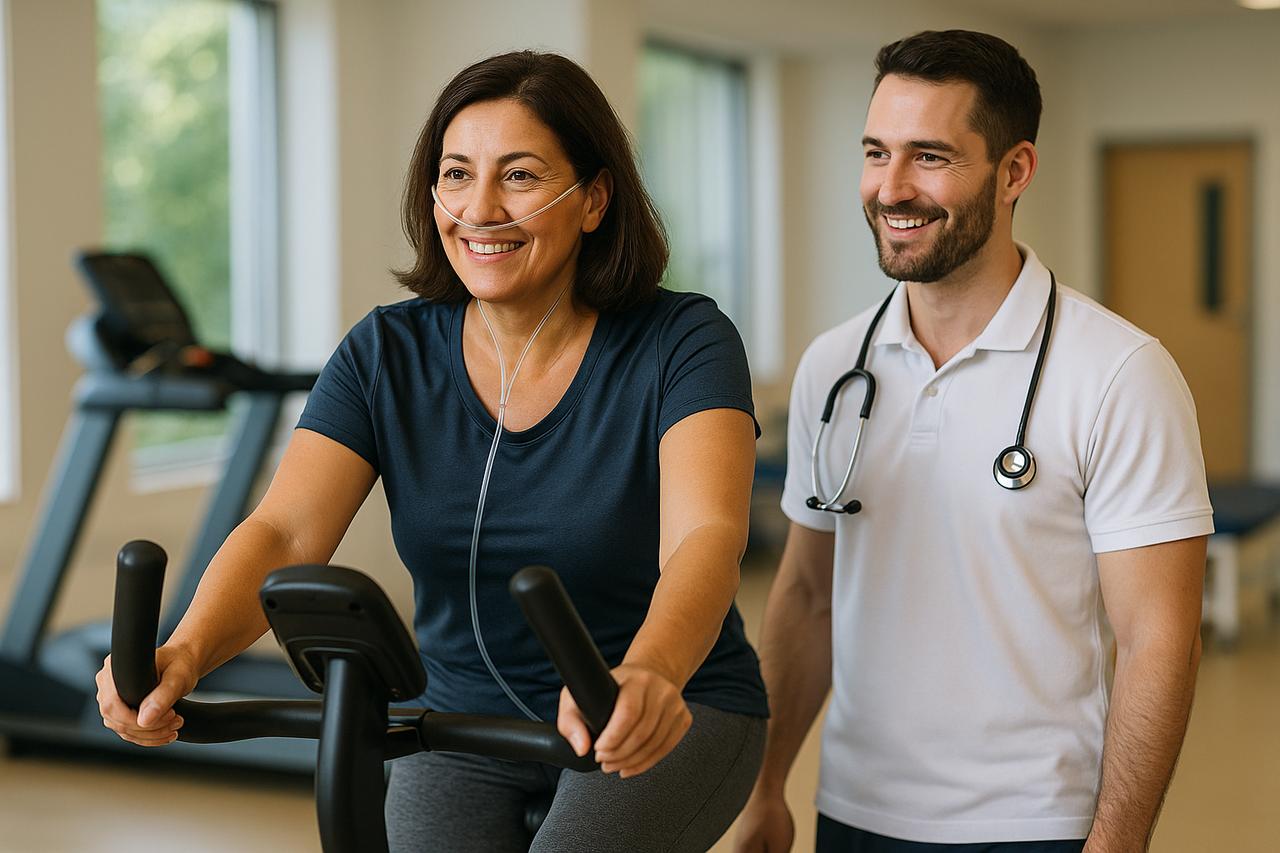
- Aerobic Exercise: This is the cornerstone of endurance building. Activities like treadmill walking, stationary cycling, or using an elliptical trainer are common. The intensity, duration, and frequency are carefully calculated to challenge your system safely and effectively.
- Strength Training: Using light weights, resistance bands, or bodyweight exercises helps build the strength of your arms, legs, and core. Stronger muscles make daily activities less taxing on your heart and lungs.
- Medically Monitored Sessions: During each session, you are closely monitored. Your heart rate, blood pressure, and blood oxygen levels are tracked to ensure you are exercising within a safe and therapeutic range. This constant supervision provides peace of mind and allows your therapist to adjust your program in real-time for optimal progress.
- Education and Empowerment: A crucial part of rehabilitation is learning how to manage your condition independently. You'll receive education on topics like understanding your medications, recognizing symptoms, stress management techniques, and heart-healthy nutrition.
The goal of cardiopulmonary rehab isn't to push you to your breaking point; it's to safely and systematically expand your limits, one guided step at a time.
The Power of Breath: The Role of Breathing Exercises in Physiotherapy
Endurance isn't just about muscle strength; it's profoundly linked to breathing efficiency. Many people with cardiopulmonary conditions develop shallow, rapid breathing patterns that are inefficient and cause fatigue quickly. A key component of rehabilitation involves retraining your breathing muscles, which is where specialized breathing exercises physiotherapy becomes invaluable.
The primary muscle of respiration is the diaphragm, a large dome-shaped muscle at the base of the lungs. Inefficient breathing often relies on smaller, less powerful accessory muscles in the neck and chest, leading to strain and breathlessness. Physiotherapists teach techniques to re-engage the diaphragm:
- Diaphragmatic (Belly) Breathing: This technique involves consciously using your diaphragm to take deep, effective breaths. By placing one hand on your chest and the other on your belly, you learn to breathe so that your belly rises and falls while your chest remains relatively still. This method helps empty your lungs more completely, strengthens the diaphragm, and slows your breathing rate, reducing the work of breathing. Mastering this can also help improve core stability and posture, providing further benefits.
- Pursed-Lip Breathing: This simple yet powerful technique is used to manage episodes of shortness of breath. By inhaling slowly through your nose and exhaling for twice as long through tightly pursed lips (as if blowing out a candle), you create back-pressure in your airways. This keeps them open longer, allowing you to release more trapped air from your lungs and making the next breath easier and more effective.
By integrating these exercises into your daily routine, you gain better control over your breathing, reduce anxiety associated with breathlessness, and improve your body's oxygenation. This enhanced respiratory function is a critical piece of the endurance puzzle, allowing you to sustain physical activity for longer periods with greater comfort.
Beyond the Clinic: Essential Endurance Training Tips for Daily Life
The ultimate goal of cardiopulmonary rehab is to equip you with the skills and confidence to continue your progress long after you've completed the formal program. Maintaining and building upon the endurance you've gained requires incorporating healthy habits into your everyday life. Here are some essential endurance training tips to help you stay on track:
- Consistency is Key: Aim for at least 30 minutes of moderate activity on most days of the week, as recommended by your therapist. It's more effective to do a little bit regularly than to have long, infrequent bursts of activity.
- Listen to Your Body: Learn to recognize the difference between the "good" fatigue of a productive workout and warning signs like dizziness, chest pain, or excessive shortness of breath. Never push through warning symptoms. Rest when you need to.
- Warm-Up and Cool-Down: Always start with a 5-10 minute warm-up of gentle movement and stretching to prepare your body for exercise. End each session with a similar cool-down period to allow your heart rate to return to normal gradually.
- Stay Hydrated and Nourished: Drink plenty of water throughout the day, and fuel your body with a balanced, heart-healthy diet. Proper nutrition provides the energy your muscles need to perform and recover.
- Set Realistic Goals: Celebrate small victories. Your goal might be walking to the end of the driveway today, and around the block next month. These gradual, guided progression principles are central to all effective physiotherapy, from pediatric care to adult rehabilitation.
- Find Activities You Enjoy: Endurance training doesn't have to be a chore. Whether it's walking in a park, gardening, or swimming, finding an activity you genuinely like will make it much easier to stick with for the long term.
Endurance is not just a physical state; it's a state of mind. Cardiopulmonary rehab empowers you with the confidence and tools to trust your body again.
Improving your endurance is a journey, not a destination. Cardiopulmonary rehabilitation provides the map, the tools, and the expert guidance to help you navigate that path safely and successfully. By strengthening your heart and lungs, retraining your breathing, and building your physical and mental resilience, it empowers you to move beyond the limitations of your condition and embrace a more active, vibrant, and boundless life.
Ready to reclaim your strength and rediscover your active life? Our doctor-led team at Physio Cure Dubai specializes in creating personalized cardiopulmonary rehabilitation plans. Learn more about our Cardiopulmonary Physiotherapy services and take the first step towards a healthier, more energetic you.
Related care at Physio Cure Dubai
Doctor-led physiotherapy under the medical direction of Dr. Mina Gamil. If anything in this article sounds like you, two of our programs are most relevant:
- Specialty hub: Neurological Physiotherapy
- Treatment program: Cardiopulmonary Physiotherapy
Related care at Physio Cure Dubai
Doctor-led services for what you have just read about.
Frequently Asked Questions
What is cardiopulmonary rehabilitation?
Cardiopulmonary rehabilitation is a medically supervised, evidence-based therapy program designed for individuals recovering from a cardiac event or managing chronic lung conditions. It aims to improve the efficiency of the heart and lungs through personalized exercises and education, helping to increase endurance and quality of life.
How does cardiopulmonary rehab scientifically improve endurance?
It improves endurance by rebalancing the body's oxygen supply and demand. Through prescribed aerobic exercise, the program strengthens the heart muscle so it can pump more blood with each beat, improves the lungs' efficiency at gas exchange, and enhances the muscles' ability to extract and use oxygen. This increases the body's maximal oxygen uptake (VO2 max), reducing fatigue and shortness of breath.
What can I expect during a cardiopulmonary rehab program?
A typical program begins with a comprehensive initial assessment by a Doctor of Physical Therapy to evaluate your fitness level and set goals. This is followed by a personalized exercise prescription including aerobic activities and strength training. During each medically monitored session, your vital signs like heart rate and blood oxygen levels are tracked to ensure safety. The program also includes education on managing your condition.
What are the main types of breathing exercises taught in physiotherapy?
Two key techniques are Diaphragmatic (Belly) Breathing, which strengthens the main breathing muscle and helps empty the lungs more completely, and Pursed-Lip Breathing, which helps manage shortness of breath by keeping airways open longer to release trapped air.
Who should consider cardiopulmonary rehab?
Individuals who may benefit from cardiopulmonary rehab include those recovering from a cardiac event, managing a chronic lung condition such as COPD, or dealing with the lingering effects of post-COVID syndrome that impact stamina and cause breathlessness.
What makes the approach at Physio Cure Dubai unique?
Physio Cure Dubai positions itself as a 'Doctor-Led' clinic where all assessment, diagnosis, and treatment are performed by licensed doctors holding degrees like Doctor of Physical Therapy. Their approach is based on providing 100% personalized care that focuses on diagnosing the root cause of the problem for lasting relief, rather than just treating symptoms.
Does Physio Cure Dubai offer direct billing for insurance?
No, Physio Cure Dubai does not offer direct billing. The clinic operates on a 'pay upfront' basis. Patients are required to pay for their services in full and are then provided with all the necessary invoices and medical documentation to submit a claim to their insurance provider for reimbursement.
How can I pay for my treatment at Physio Cure Dubai?
Patients must pay for services upfront. To make costs more manageable, the clinic accepts Tabby, which allows payments to be spread over several months. Additionally, they offer a 25% discount for Fazaa members and have offers for Alsaada members.
What is the first step to begin physiotherapy at Physio Cure Dubai?
The patient journey at Physio Cure Dubai begins with a Complimentary Initial Consultation & Assessment. This is the first stage in their structured path to recovery, where a therapist evaluates your condition before creating a treatment plan.
Where is Physio Cure Dubai located?
Physio Cure Dubai is located at Office 1510, SIT Tower, Dubai Silicon Oasis, Dubai, UAE.
Related Articles
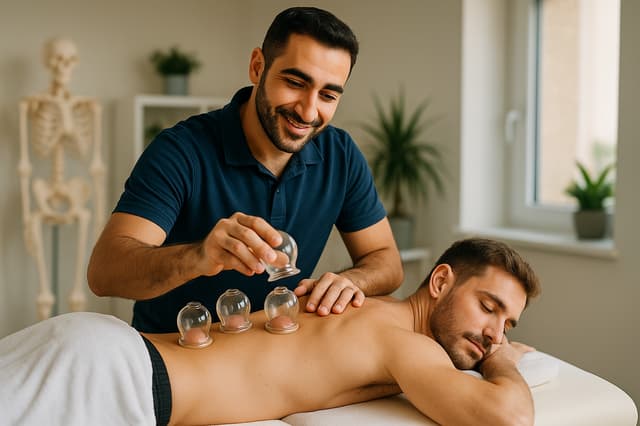
Cupping Therapy: Step-by-Step Process, Safety & Benefits
Discover how cupping therapy at Physio Cure Dubai eases pain, boosts circulation, and accelerates recovery. Learn the session process and key aftercare tips.
14 min read

Dry Needling Safety: Side Effects, Risks & Patient Tips
Discover how doctor-led dry needling relieves trigger point pain safely. Understand expected side effects, rare risks, and aftercare insights in this guide.
15 min read
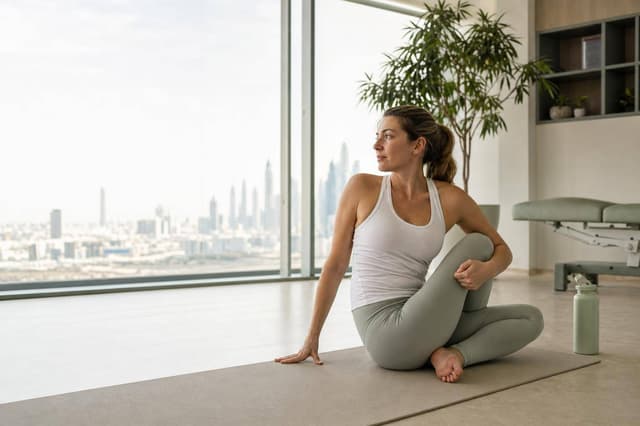
Staying Active Through Dubai's Summer Heat: A Physiotherapist's Guide
Staying active in Dubai summer can be safe with smart timing, hydration, indoor options, and physiotherapist tips for heat-aware daily exercise routines.
8 min read