Cupping Therapy: From Ancient Origins to Modern Recovery
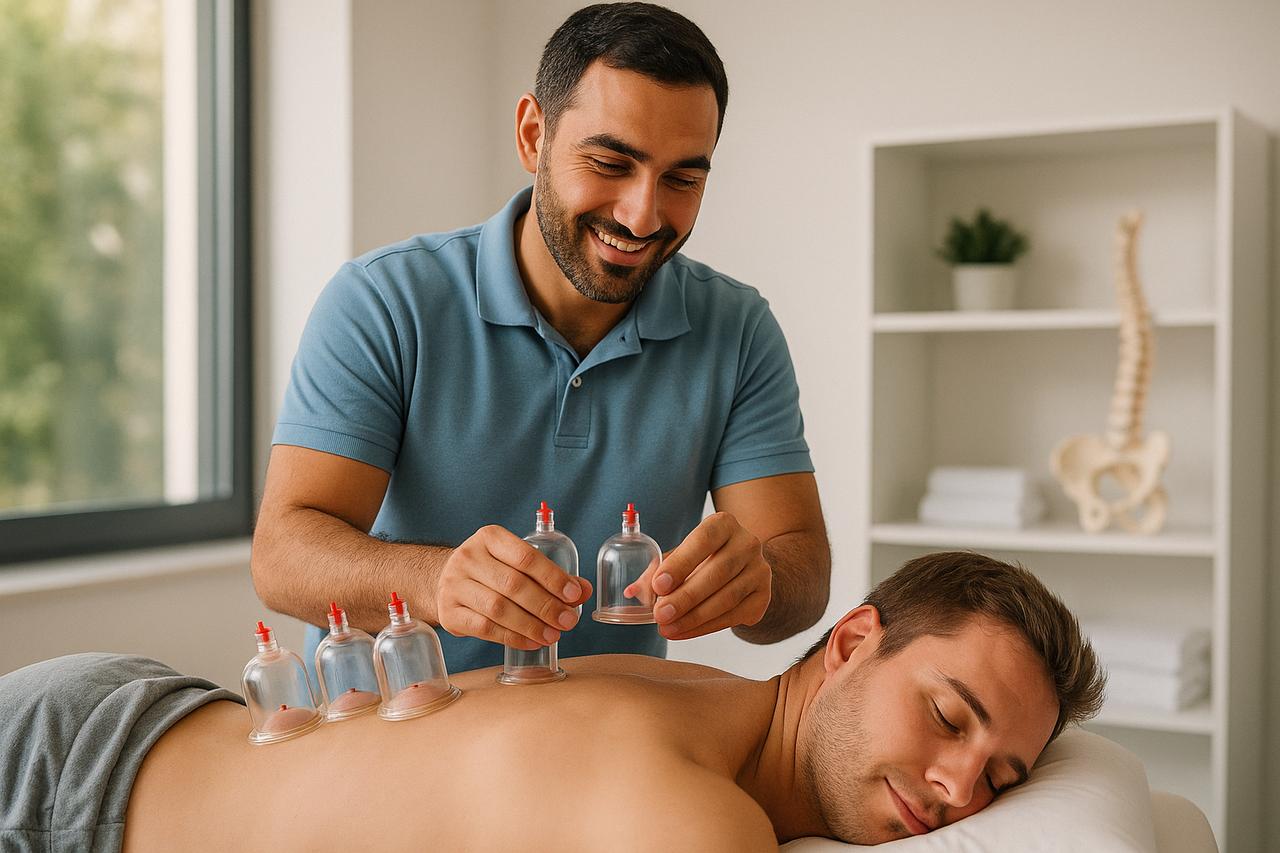
From Ancient Ritual to Modern Recovery: A Deep Dive into the History and Origins of Cupping Therapy
Cupping therapy, often recognized by the distinctive circular marks it leaves on the skin, has surged in popularity as a modern wellness and recovery tool. Yet, this practice is far from a new trend. Its roots stretch back thousands of years, weaving a fascinating narrative through ancient civilizations, medical texts, and cultural traditions across the globe. Understanding the rich history and origins of cupping therapy is not just an academic exercise; it provides profound insight into why this enduring technique remains a cornerstone of holistic healing today. This journey into its past reveals a legacy of healing designed to alleviate pain, improve circulation, and restore balance to the body, principles that continue to guide its application in premier clinics like Physio Cure Dubai.
The Dawn of Healing: Pinpointing Cupping's Ancient Roots
Tracing the exact birthplace of cupping therapy is like navigating a historical labyrinth, with different cultures laying claim to its invention. While there is no single, universally accepted point of origin, compelling evidence points to its independent development in several ancient superpowers, most notably Egypt and China, over 3,000 years ago. The earliest, and perhaps most famous, documentation comes from ancient Egypt. The Ebers Papyrus, one of the oldest and most important medical texts in history, dating back to approximately 1550 BCE, contains detailed descriptions of cupping. The Egyptians used this technique to treat a wide array of ailments, including fevers, pain, vertigo, and to rebalance menstrual irregularities. This ancient knowledge wasn't just written; it was carved in stone, with hieroglyphic depictions of cupping instruments found on the Temple of Kom Ombo, a site dedicated to healing gods.
Simultaneously, across the continent, ancient China was developing its own sophisticated system of medicine, where cupping played a vital role. Though early records suggest practices dating back to 3000 BCE using hollowed-out animal horns, the first definitive written account is credited to Ge Hong, a Taoist alchemist and medical practitioner. In his 4th-century CE work, *A Handbook of Prescriptions for Emergencies*, he outlines specific cupping procedures for draining sores and treating other conditions. In Traditional Chinese Medicine (TCM), cupping was believed to clear stagnation, balance the body's life force or *Qi*, and dispel pathogenic factors like cold and dampness. This philosophical framework provided a robust foundation for the history and origins of cupping therapy benefits, linking the physical act of suction to the holistic concept of energetic flow and internal harmony. To delve deeper into its multifaceted history, one can refer to the comprehensive overview of cupping therapy on Wikipedia.
A Global Journey: How Cupping Spread Across Civilizations
The efficacy of cupping therapy ensured its migration far beyond the borders of Egypt and China. Through trade routes, conquests, and cultural exchange, this healing art was adopted and adapted by civilizations around the world. In ancient Greece, the "Father of Modern Medicine," Hippocrates (c. 400 BCE), was a known proponent of cupping. He documented its use for treating a range of internal diseases and structural problems, solidifying its place within the Western medical tradition. The Romans, inheriting much from Greek medicine, also embraced cupping, with Roman surgeons frequently using it for bloodletting and to treat deep-seated ailments.
The practice found fertile ground in the Islamic world, where it became known as *Hijama*. Endorsed in prophetic medicine, Hijama became an integral part of health and wellness practices. Renowned physicians and scholars like Al-Zahrawi and Avicenna (Ibn Sina) refined the techniques, particularly wet cupping, where small incisions are made on the skin before the cup is applied to draw out a small amount of "stagnant" blood. This was believed to detoxify the body and purify the blood, a principle that still informs its use today. The practice was not limited to these major civilizations. Evidence shows its use by Native Americans, who used animal horns for ritualistic and therapeutic suction, and in traditional Finnish saunas, where "horn cupping" has been practiced since at least the 15th century. This widespread, independent adoption across diverse cultures underscores the therapy's perceived effectiveness and universal appeal for managing pain and promoting health.
The Evolution of Technique: From Animal Horns to Modern Cups
The tools and methods of cupping have evolved significantly over millennia, reflecting advancements in materials and scientific understanding. The earliest practitioners relied on readily available natural materials. Hollowed-out animal horns, bamboo segments, and earthenware pots were the first "cups." To create suction, these early healers would either burn a small combustible inside the cup to consume the oxygen or, in the case of horns, suck the air out with their mouths before placing it on the skin. The goal was always the same: to create a vacuum that would pull the skin and superficial muscle layer upward.
As metallurgy and glassmaking advanced, so did cupping equipment. Bronze cups became common in some cultures, followed by the glass cups that are most familiar today. Glass offered the significant advantage of allowing the therapist to see the skin's reaction, monitoring the level of suction and discoloration to gauge the therapeutic effect. The traditional method of creating suction, known as "fire cupping," is still widely practiced. In this technique, a cotton ball soaked in alcohol is lit, placed briefly inside the cup to heat the air, and then quickly removed as the cup is placed on the skin. As the air inside cools, it creates powerful suction. Today, modern technology has introduced cups with manual pumps or rubber bulbs, allowing for precise control over the vacuum pressure without the use of fire, making the treatment more accessible and standardized.
- Traditional Materials: Animal Horns, Bamboo, Earthenware, Bronze.
- Traditional Suction Method: Fire (heating the air inside the cup) or manual suction.
- Modern Materials: Glass, Silicone, Plastic.
- Modern Suction Method: Manual hand pumps or built-in rubber bulbs for controlled pressure.
Cupping Therapy vs. Massage: Understanding the Key Differences
While both cupping and massage are manual therapies aimed at relieving pain and muscle tension, their mechanisms are polar opposites. This is a crucial distinction when considering cupping vs massage for your specific needs. A traditional massage involves the application of positive pressure—therapists push, knead, and compress tissues to release knots and improve blood flow. It is a compressive force that works from the outside in.
Cupping, on the other hand, utilizes negative or decompressive pressure. The suction created by the cups gently lifts the skin, fascia, and muscle layers upward. This action creates space within the tissues, allowing for a significant increase in localized blood flow, oxygen, and nutrients. It works by pulling tissues apart rather than compressing them together. This decompression can be particularly effective for releasing stubborn adhesions in the fascia, breaking up old scar tissue, and drawing metabolic waste and toxins from deep within the muscle to the surface, where the lymphatic system can more easily eliminate them. For those with chronic back pain, this lifting action can provide immense relief by decompressing spinal tissues and relieving nerve impingement.
Think of it this way: Massage is a 'push' therapy, compressing tissues to release tension. Cupping is a 'pull' therapy, decompressing tissues to create space, enhance blood flow, and release restrictions from within.
Modern Revival: Why Athletes and Wellness Seekers Embrace Cupping
While cupping has been practiced continuously in many parts of the world, it experienced a dramatic resurgence in Western popular culture during the 2016 Rio Olympics, when viewers saw prominent circular marks on athletes like swimmer Michael Phelps. This high-profile exposure sparked widespread curiosity and has since cemented cupping's place as a mainstream tool for athletic performance and general wellness. Today, cupping therapy for pain, enhanced circulation and recovery is a go-to modality for athletes, chronic pain sufferers, and anyone seeking a holistic approach to health.
The modern appeal of cupping is backed by its physiological benefits. Athletes use it to accelerate recovery by increasing blood flow to overworked muscles, flushing out lactic acid, and reducing post-exercise soreness. The decompressive action on fascia—the connective tissue that surrounds muscles—improves flexibility and range of motion, which is critical for peak performance and injury prevention. For individuals dealing with chronic pain conditions like fibromyalgia, arthritis, or persistent back and neck tension, cupping offers a non-invasive way to manage discomfort. By promoting circulation and releasing deep-seated muscular knots, it can provide lasting relief where other therapies may have fallen short. This makes it an invaluable part of a comprehensive sports injury rehabilitation program.
At Physio Cure Dubai, we integrate timeless techniques like cupping with a doctor-led, evidence-based approach. Our goal is to address the root cause of your pain, promoting deep healing and lasting recovery by combining ancient wisdom with modern clinical expertise.
From the papyrus scrolls of ancient Egypt to the high-performance training rooms of today, the journey of cupping therapy is a testament to its profound and enduring value. It is a practice built on a simple yet powerful principle: facilitating the body's own innate healing capabilities. By understanding its deep historical roots, we can better appreciate its role not just as a treatment, but as a holistic art that connects us to a long legacy of human wellness.
Ready to experience how this ancient healing art can enhance your modern recovery journey? Contact Physio Cure Dubai today to learn more about our doctor-led Cupping Therapy services and start on your path to lasting pain relief.
Related care at Physio Cure Dubai
Doctor-led physiotherapy under the medical direction of Dr. Mina Gamil. If anything in this article sounds like you, two of our programs are most relevant:
- Specialty hub: Orthopedic Physiotherapy
- Treatment program: Back Pain Treatment
Related care at Physio Cure Dubai
Doctor-led services for what you have just read about.
Frequently Asked Questions
What is the origin of cupping therapy?
Evidence suggests cupping therapy developed independently in ancient Egypt and China over 3,000 years ago. The earliest documentation is found in the Egyptian Ebers Papyrus, dating to 1550 BCE. Definitive Chinese records by Ge Hong in the 4th century CE outline its role in Traditional Chinese Medicine for clearing stagnation and balancing the body's life force, or Qi.
What is the main difference between cupping and massage?
The primary difference is the type of pressure used. Massage is a 'push' therapy that applies positive pressure to compress and knead tissues. Cupping is a 'pull' therapy that uses negative (decompressive) pressure from suction to lift the skin, fascia, and muscle layers, creating space and enhancing blood flow from within.
Why do athletes use cupping therapy?
Athletes use cupping to accelerate recovery, enhance performance, and prevent injuries. The therapy increases blood flow to overworked muscles, helps flush out lactic acid, reduces post-exercise soreness, and improves flexibility by decompressing the fascia (the connective tissue surrounding muscles).
How have the tools for cupping evolved over time?
Cupping tools have evolved from early natural materials like hollowed-out animal horns, bamboo, and earthenware pots. These were followed by bronze and then glass cups, which allowed therapists to see the skin's reaction. Modern tools include silicone and plastic cups, often used with manual pumps for precise pressure control without fire.
What are the main benefits of cupping therapy?
The main benefits of cupping therapy include alleviating pain, improving circulation, and reducing muscle tension. It is used to release deep muscular knots, break up scar tissue, draw metabolic waste to the surface for elimination, and provide relief from chronic conditions such as back pain, arthritis, and fibromyalgia.
Does Physio Cure Dubai offer cupping therapy?
Yes, Physio Cure Dubai provides cupping therapy as one of its advanced treatment modalities. It is integrated into comprehensive, doctor-led treatment plans to address the root cause of pain and promote deep healing, combining ancient wisdom with modern clinical expertise.
What is the treatment philosophy at Physio Cure Dubai?
The clinic’s philosophy is built on four principles: all treatments are doctor-led by licensed physical therapists, care is 100% personalized, the focus is on root-cause diagnosis for lasting relief, and the approach is both holistic and evidence-based, incorporating modern technology.
Can I use my insurance for treatment at Physio Cure Dubai?
Physio Cure Dubai does not offer direct billing for insurance. The clinic operates on a 'pay upfront' model where patients pay for their services in full and are then provided with the necessary invoices and medical documentation to submit a claim to their insurance provider for reimbursement.
Who performs physiotherapy treatments at Physio Cure Dubai?
All assessments, diagnoses, and treatments are performed by licensed doctors holding advanced degrees like a Doctor of Physical Therapy (DPT). The senior clinical team includes Dr. Mina Gamil (Medical Director), Dr. Shaimaa Hamdalla, and Dr. Talaat Abdelhakeem, who specialize in various fields like sports injuries, women's health, and pediatrics.
How do I book an appointment at Physio Cure Dubai?
You can book an appointment by calling or sending a WhatsApp message to +971 50 301 3005. The clinic is located at Office 1510, SIT Tower, Dubai Silicon Oasis, and is open from 9:00 AM to 8:00 PM, Friday through Wednesday.
Related Articles
Dry Needling Explained: Relieve Persistent Myofascial Pain
Learn how doctor-led dry needling in Dubai releases trigger points, eases chronic myofascial pain, and restores mobility for athletes, desk workers…
13 min read
Dizziness & Balance Issues: Causes and Relief Guide
Discover how inner ear, neurological, and cardiovascular factors trigger dizziness. Learn physiotherapy vestibular rehab strategies to regain balance today.
14 min read

9 Questions to Ask Before Choosing a Physiotherapy Clinic in Dubai
Nine practical questions to ask before choosing a physiotherapy clinic in Dubai, covering consent, shared decisions, roles, risks, and support.
7 min read