Dry vs Wet Cupping Therapy: Benefits & Key Differences
Unlocking Recovery: A Deep Dive into the Different Types of Cupping (Dry vs. Wet)
Cupping therapy, an ancient healing practice with roots in traditional medicine, has gained remarkable popularity in modern physiotherapy for its powerful effects on pain relief, muscle recovery, and circulation. Yet, for many, the world of cupping remains shrouded in mystery, particularly when it comes to understanding the key distinctions between its methods. If you've ever wondered about the circular marks seen on athletes or heard friends discuss their treatments, this guide is for you. We will explore the different types of cupping (dry vs. wet), delving into their unique techniques, benefits, and applications to help you understand which approach might be best for your wellness journey.
What is Cupping Therapy? A Timeless Approach to Modern Healing
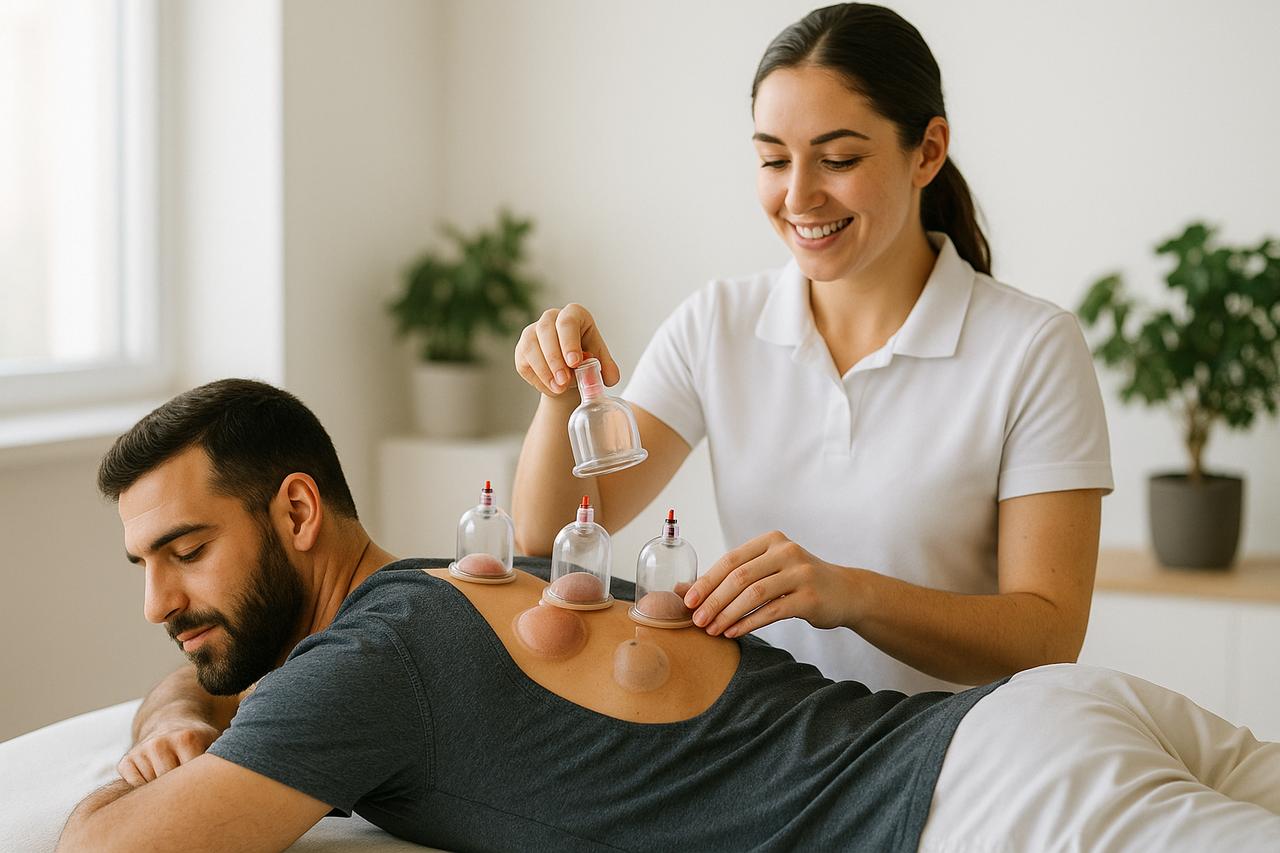
At its core, cupping therapy is a form of alternative medicine that involves placing cups on the skin to create suction. This negative pressure pulls the underlying skin, fascia (connective tissue), and superficial muscle layers upward into the cup. The primary goal is to enhance circulation, relieve muscle tension, promote cell repair, and reduce pain. While the image of glass cups and fire might come to mind, modern physiotherapy clinics like Physio Cure Dubai utilize a range of tools, including silicone cups and plastic cups with mechanical pumps, for greater precision and control.
The therapy works through several proposed mechanisms. The suction is believed to expand and break tiny blood vessels (capillaries) under the skin, prompting the body to initiate a natural healing response. This process increases blood flow to the targeted area, delivering more oxygen and nutrients while helping to clear away metabolic waste. Furthermore, the physical lift of the tissue can provide a powerful myofascial release, separating layers of tissue that may have become stuck or tight, thereby improving flexibility and reducing stiffness. It is this unique mechanism that often distinguishes cupping vs massage, as massage typically uses positive (downward) pressure while cupping uses negative (upward) pressure.
The Non-Incisional Method: A Closer Look at Dry Cupping
Dry cupping is the most common form of cupping practiced in Western physiotherapy clinics. It is a non-incisional technique, meaning the skin is never broken. The process is straightforward: a practitioner places cups on specific areas of the body and creates a vacuum. This can be achieved through a traditional method involving a flame to heat the air inside a glass cup or, more commonly today, by using a manual or electric pump attached to a plastic cup.
There are several variations of dry cupping, each tailored to different therapeutic goals:
- Static Cupping: This is the most recognized form where cups are placed on a specific area and left in place for a set period, typically between 5 to 20 minutes. It is excellent for targeting localized trigger points, deep muscle knots, and areas of significant stagnation or pain.
- Sliding or Gliding Cupping: Before the cups are applied, the practitioner applies oil or lotion to the skin. Once suction is created, the cups are moved across a larger area of the body, such as the back or legs. This technique acts like a deep-tissue massage in reverse, effectively stretching the fascia and muscle tissue, improving circulation and recovery, and enhancing lymphatic drainage.
- Flash Cupping: This method involves quickly applying and removing the cups multiple times over an area. The rapid succession of suction and release stimulates the skin and underlying tissues, making it a good option for sensitive patients or for preparing an area for more intensive static cupping.
Dry cupping is primarily used for musculoskeletal issues. It's an effective cupping therapy for pain in the back, neck, and shoulders, as well as for treating sports injuries, releasing tight IT bands, and alleviating general muscle soreness. The characteristic circular bruises, or "ecchymosis," are a common side effect and simply indicate the movement of stagnant fluids and blood to the surface. These marks are typically painless and fade within a few days to a week.
The Incisional Method: Understanding Wet Cupping (Hijama)
Wet cupping, also known by its traditional name "Hijama," is an incisional practice that involves two distinct stages. It is considered a more intensive form of therapy and is believed by proponents to offer a deeper level of detoxification and healing. Due to its incisional nature, it is absolutely critical that wet cupping is performed by a highly trained and licensed professional in a sterile environment to prevent infection.
The process unfolds in two steps:
- First Suction: The session begins like a standard dry cupping treatment. Cups are placed on the skin and suction is applied for a few minutes. This draws blood and interstitial fluid to the surface and helps to numb the area slightly.
- Scarification and Second Suction: The cup is then removed, and the practitioner uses a small, sterile surgical blade to make tiny, superficial scratches or pinpricks on the skin. The cup is immediately reapplied, and the suction draws out a small amount of stagnant blood and fluids from the body.
The theory behind wet cupping is that it helps to remove harmful toxins, stagnant blood, and inflammatory mediators that may have accumulated in the tissues. Proponents believe this process can help modulate the immune system, reduce inflammation more directly, and provide stronger relief for certain conditions compared to dry cupping. Some research suggests it may be beneficial for conditions like carpal tunnel syndrome, migraines, and certain types of inflammatory pain. For those interested in the clinical details and research, Physio-pedia offers an extensive overview of cupping therapy studies and mechanisms.
Because wet cupping involves breaking the skin, it carries a higher risk of infection and requires stringent sterilization protocols. Always ensure your practitioner is licensed and follows strict medical hygiene standards.
Dry vs. Wet Cupping: A Head-to-Head Comparison of Benefits
Choosing between the different types of cupping (dry vs. wet) depends on your specific condition, health status, and therapeutic goals. A comprehensive assessment by a doctor-led physiotherapy team is essential to determine the most appropriate and effective treatment plan. Here’s a breakdown of the key differences:
Technique & Invasiveness
- Dry Cupping: Non-invasive. Uses suction only to pull tissue into the cup. No skin is broken.
- Wet Cupping: Minimally invasive. Involves superficial skin incisions to draw out a small amount of blood after initial suction.
Primary Therapeutic Goals
- Dry Cupping: Primarily focused on myofascial release, relieving muscle tension, improving local circulation, and reducing musculoskeletal pain. It's excellent for improving circulation and recovery after exercise.
- Wet Cupping: Aims to do all of the above, with the additional goal of removing "stagnant" blood and purported toxins from the body to reduce inflammation and modulate the immune system.
Best-Suited Conditions
- Dry Cupping: General muscle soreness, back and neck pain, sports injuries, postural tension, and conditions requiring improved flexibility and blood flow.
- Wet Cupping: Often sought for more chronic or inflammatory conditions, certain types of headaches or migraines, and specific autoimmune or metabolic conditions, though high-quality research is still ongoing.
Risk & Safety Profile
- Dry Cupping: Very safe when performed by a professional. Side effects are generally limited to temporary skin discoloration (bruising), mild soreness, or dizziness.
- Wet Cupping: Carries higher risks due to skin incision, including infection, scarring, and light-headedness. It is contraindicated for individuals with bleeding disorders, those on anticoagulant medication, and people with severe anemia or certain skin conditions. Strict sterile technique is non-negotiable.
Expert Tip: The best approach is not always the most intensive one. A skilled therapist can achieve profound results with dry cupping, especially when integrated into a holistic, personalized treatment plan that includes manual therapy and corrective exercises.
Making the Right Choice for Your Health
The decision between dry and wet cupping should never be made in isolation. It requires a thorough assessment and root-cause diagnosis from a qualified healthcare professional, such as a Doctor of Physical Therapy. At Physio Cure Dubai, every treatment plan is 100% personalized. Our clinical team evaluates your specific condition, medical history, lifestyle, and recovery goals to determine the most effective and safest therapeutic modalities for you.
For the vast majority of patients seeking relief from musculoskeletal pain and improved athletic recovery, dry cupping is an incredibly effective and safe starting point. It integrates seamlessly with other hands-on therapies and advanced technologies to create a comprehensive rehabilitation program. Wet cupping may be considered in specific cases, but only after a detailed consultation and risk-benefit analysis.
Ultimately, cupping therapy is a powerful tool, but it is just one component of a successful recovery. Lasting relief comes from an evidence-based approach that combines passive modalities with active patient participation, education, and corrective exercise to address the underlying cause of your discomfort.
Ready to explore how personalized cupping therapy can enhance your recovery? Contact the expert team at Physio Cure Dubai to discover the right approach for your unique needs and achieve lasting relief.
Related care at Physio Cure Dubai
Doctor-led physiotherapy under the medical direction of Dr. Mina Gamil. If anything in this article sounds like you, two of our programs are most relevant:
- Specialty hub: Orthopedic Physiotherapy
- Treatment program: Back Pain Treatment
Related care at Physio Cure Dubai
Doctor-led services for what you have just read about.
Frequently Asked Questions
What is the primary difference between dry and wet cupping?
The primary difference is that dry cupping is non-invasive, using only suction on unbroken skin, while wet cupping is minimally invasive and involves making tiny, superficial skin incisions after the initial suction to draw out a small amount of blood.
What conditions is dry cupping commonly used for?
Dry cupping is commonly used for musculoskeletal issues such as general muscle soreness, back and neck pain, sports injuries, postural tension, and conditions requiring improved flexibility and blood flow.
Are the circular marks left by cupping painful bruises?
No, the circular marks, known as ecchymosis, are typically painless side effects that indicate the movement of stagnant fluids and blood to the surface. They are not traditional bruises from impact and usually fade within a few days to a week.
Does Physio Cure Dubai offer cupping therapy?
Yes, Physio Cure Dubai integrates cupping therapy as one of its advanced therapeutic modalities, alongside treatments like Dry Needling and Acupuncture.
Who is not a good candidate for wet cupping (Hijama)?
Wet cupping is not recommended for individuals with bleeding disorders, those taking anticoagulant medication, or people with severe anemia or specific skin conditions due to its invasive nature.
Can I use my insurance to pay directly at Physio Cure Dubai?
No, Physio Cure Dubai does not offer direct insurance billing. The clinic operates on a 'pay upfront' basis, where patients pay in full and are then provided with the necessary documentation to submit a claim to their insurance provider for reimbursement.
What is the treatment philosophy at Physio Cure Dubai?
The treatment philosophy at Physio Cure Dubai is based on four principles: all treatments are doctor-led, care is 100% personalized, the focus is on diagnosing the root cause of the problem, and they use a holistic, evidence-based approach.
What is the difference between sliding cupping and static cupping?
Static cupping involves placing the cups on a specific area and leaving them stationary for 5 to 20 minutes to target localized pain. Sliding cupping involves applying oil to the skin and moving the cups across a larger area, acting like a reverse deep-tissue massage to stretch muscle and fascia.
Who performs physiotherapy treatments at Physio Cure Dubai?
At Physio Cure Dubai, all assessments, diagnoses, and treatments are performed by licensed senior practitioners holding advanced degrees, such as a Doctor of Physical Therapy. The clinic emphasizes that treatments are conducted by doctors, not technicians.
Why is it important for wet cupping to be performed by a professional?
It is critical for wet cupping to be performed by a licensed professional in a sterile environment because the procedure involves breaking the skin. This carries a higher risk of infection, scarring, and other complications if strict medical hygiene and sterilization protocols are not followed.
Related Articles
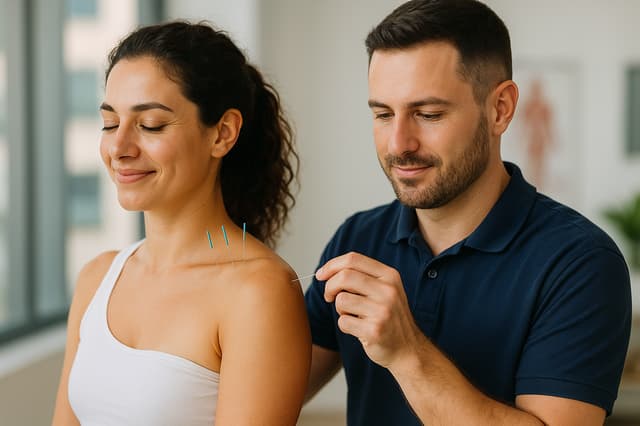
Dry Needling vs Acupuncture: Doctor's Guide to Pain Relief
Dry needling and acupuncture both use thin filament needles, but the underlying frameworks differ. A doctor-led Dubai guide on which is right for you.
13 min read

Exercises for Heart Failure Recovery: Regain Strength Safely
Discover doctor-led tips and safe routines to strengthen your heart, reduce fatigue, and regain energy after heart failure. Begin your recovery journey today.
14 min read

9 Questions to Ask Before Choosing a Physiotherapy Clinic in Dubai
Nine practical questions to ask before choosing a physiotherapy clinic in Dubai, covering consent, shared decisions, roles, risks, and support.
7 min read